

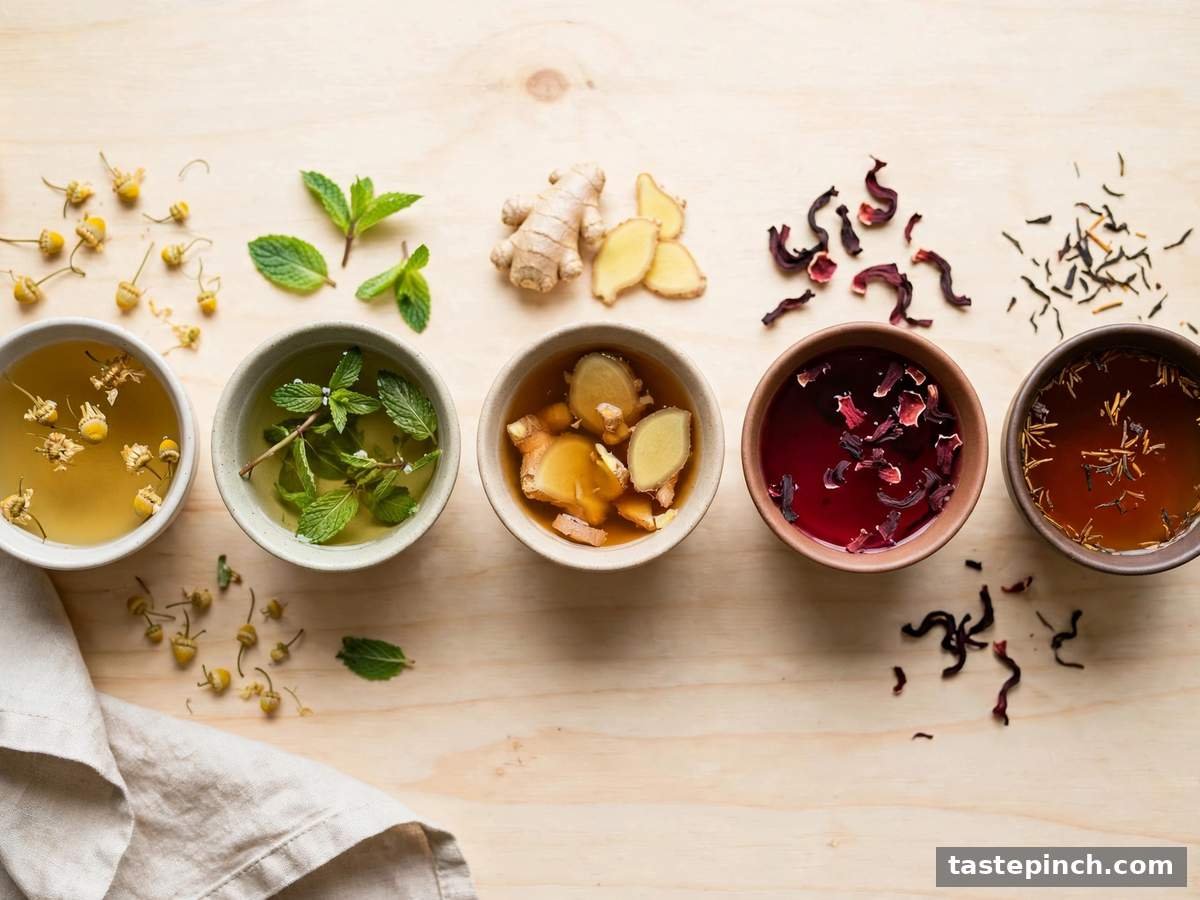
Intermittent fasting has taken the health world by storm, and one of the most common questions people ask is: does herbal tea break a fast? Good news: in most cases, plain herbal tea is a great drink to enjoy while fasting. It’s warm, comforting, and (in most cases) won’t break your fast.
But, just like with any drink, how you prepare it and the type of tea matters. Some teas and additions can affect your fast. In this guide, we will discuss how herbal teas fit into your fasting routine, which ones are best, and tips for drinking them.
MEDICAL DISCLAIMER: This article is for informational purposes only and is not intended to replace professional medical advice. Always consult your doctor before starting any fasting routine or making dietary changes. Fasting can be unsuitable for people with certain health conditions, pregnant or breastfeeding women, children, or anyone taking medication. This article is not intended to diagnose, treat, or prevent any disease. If you experience symptoms such as dizziness, fainting, weakness, or severe discomfort while fasting, stop fasting and seek medical attention.
Does herbal tea break a fast?
Does herbal tea break a fast? No, plain, unsweetened herbal tea generally doesn’t break an intermittent fast. It contains no calories (or nearly none) and won’t spike your blood sugar. It’s a good choice for staying hydrated during fasting periods and can help curb hunger.
Still, the ingredients matter: honey, sugar, milk, and cream add calories and can interrupt a calorie-based fast, though black and green tea are usually fine as long as they’re unsweetened.
What is herbal tea?
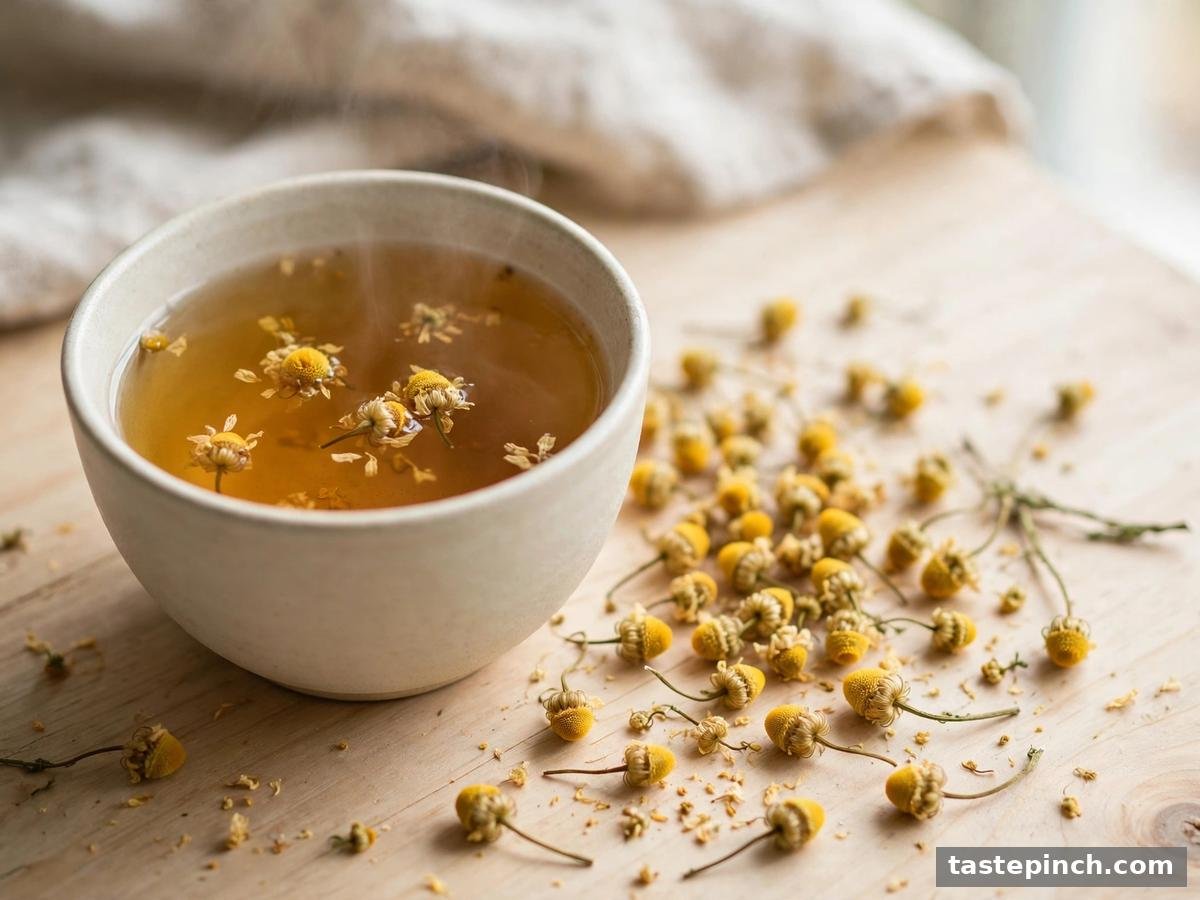
Herbal tea is a hot drink made by infusing herbs, flowers, and fruits in hot water. Unlike black, green, or oolong tea, herbal tea does not come from the Camellia sinensis plant, which means it is naturally caffeine-free and does not have the same effects as traditional tea.
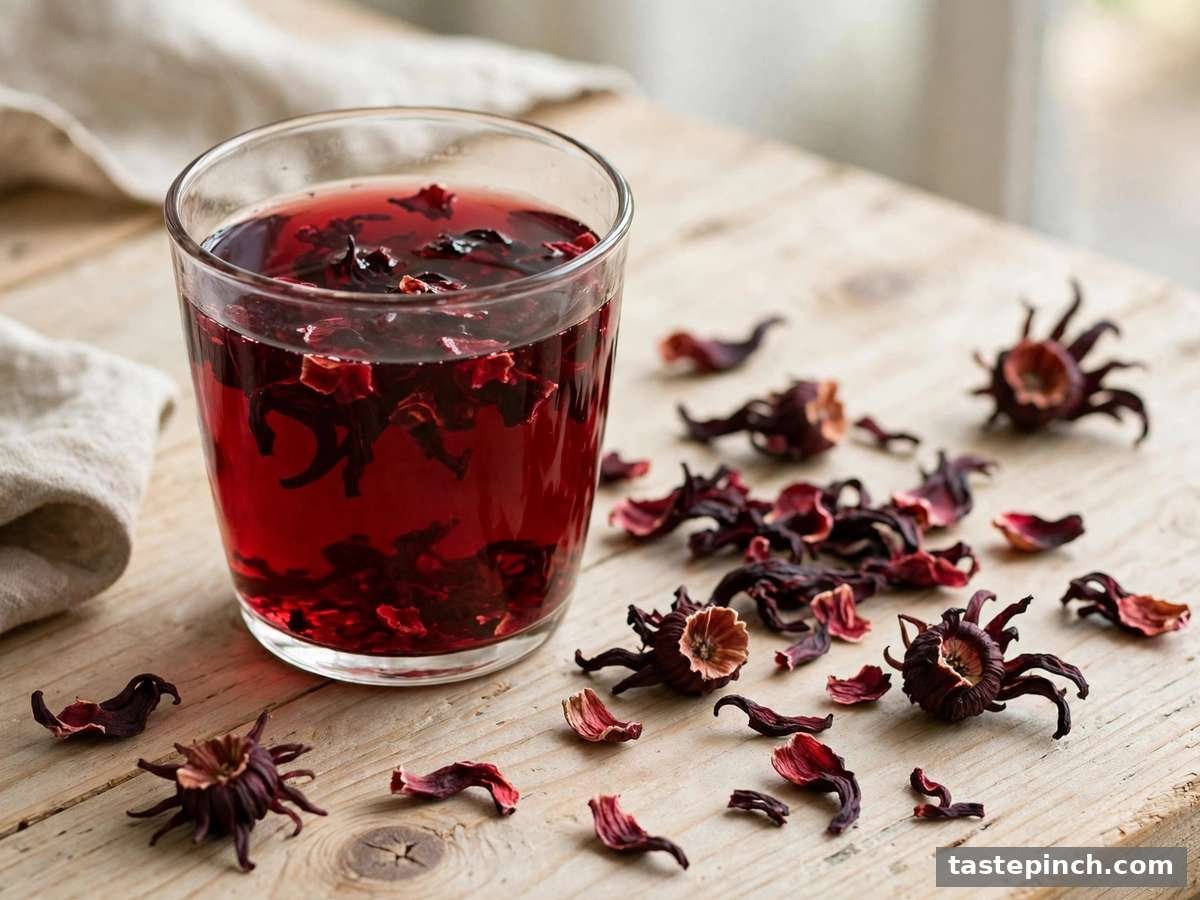
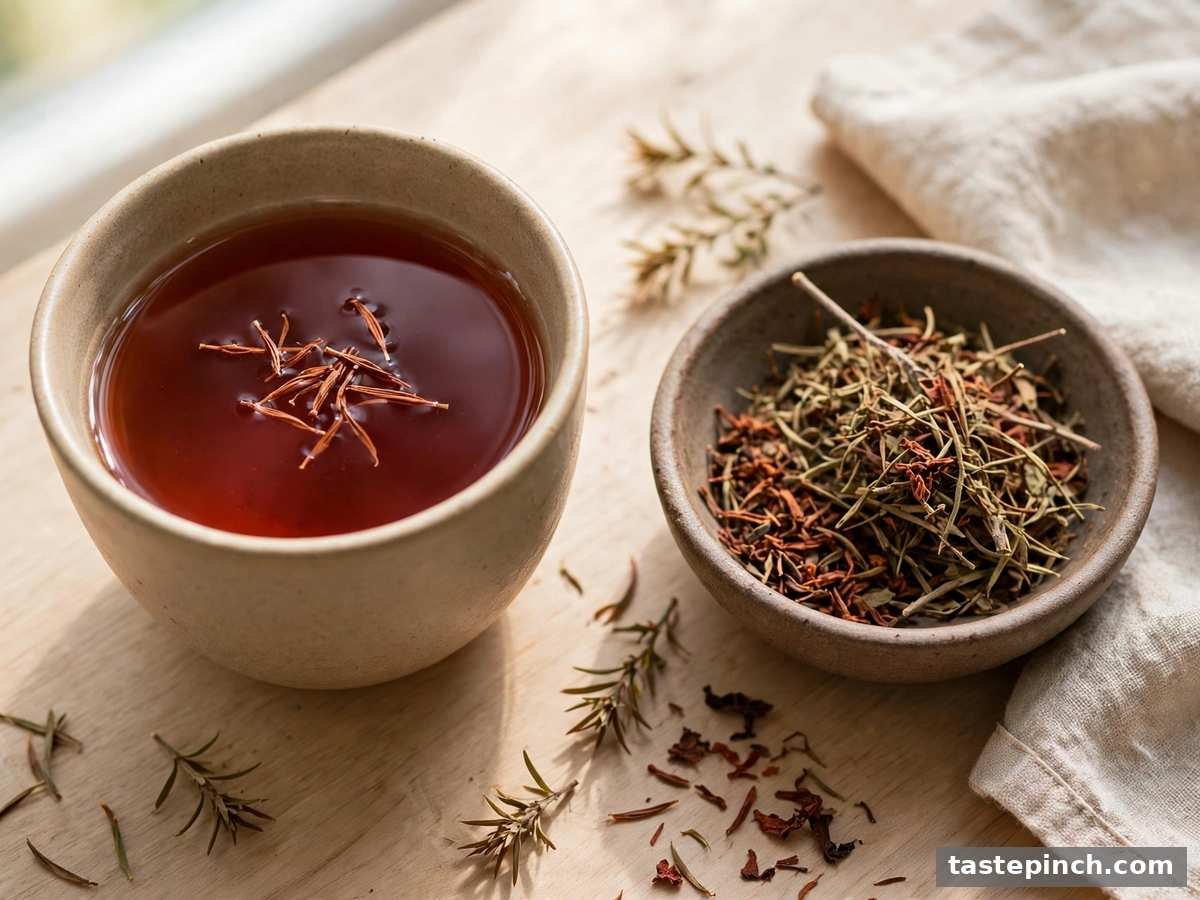
Herbal teas are made from a wide variety of plants, such as chamomile, peppermint, ginger, hibiscus, rooibos, lemon balm, and many more. They’re known for their soothing and medicinal properties, making them popular for digestion, sleep, and relaxation.
How Many Calories Do Herbal Teas Have?
Herbal teas, when consumed plain without sugar, honey, milk, or cream, contain almost no calories, usually 0–2 calories per cup. The calorie content depends on the type of herb used, but even calorie-containing teas like ginger or hibiscus are very low in calories, so they won’t affect your fast. However, adding sweeteners or milk can increase the calorie count and potentially break your fast.
| Herbal Tea | Calories per Cup |
|---|---|
| Chamomile Tea | 2 kcal |
| Peppermint Tea | 2 kcal |
| Ginger Tea | 6 kcal |
| Hibiscus Tea | 3 kcal |
| Rooibos Tea | 2 kcal |
Note: Tea without milk, sugar, or sweeteners is safe for fasting. Teas with honey, syrups, and flavorings may break your fast, as they add calories.
How Do You Drink Your Tea?
Drinking tea during a fast can be a great way to stay hydrated and curb hunger. However, how you drink your tea matters for whether it breaks your fast or not. The key is to keep it simple.
| Tea Additive | Does It Break a Fast? |
|---|---|
| Plain herbal tea (no sweetener) | No |
| Sugar | Yes |
| Honey | Yes |
| Milk | Yes |
| Cream | Yes |
| Lemon juice | No (small amount) |
| Stevia | No |
| Artificial sweeteners | Maybe |
| Flavoured syrups | Yes |
Tea should be consumed without sugar and other sweeteners, such as honey. That means no honey, sugar, milk, cream, or other sweeteners, as they add calories and raise blood sugar, which can break your fast. A small amount of lemon juice or a stevia-based sweetener is generally okay for most people, as they contain minimal calories. For another tangy, low-calorie drink idea, see our apple cider vinegar drink.
Do Herbal Teas Cause Insulin To Raise?
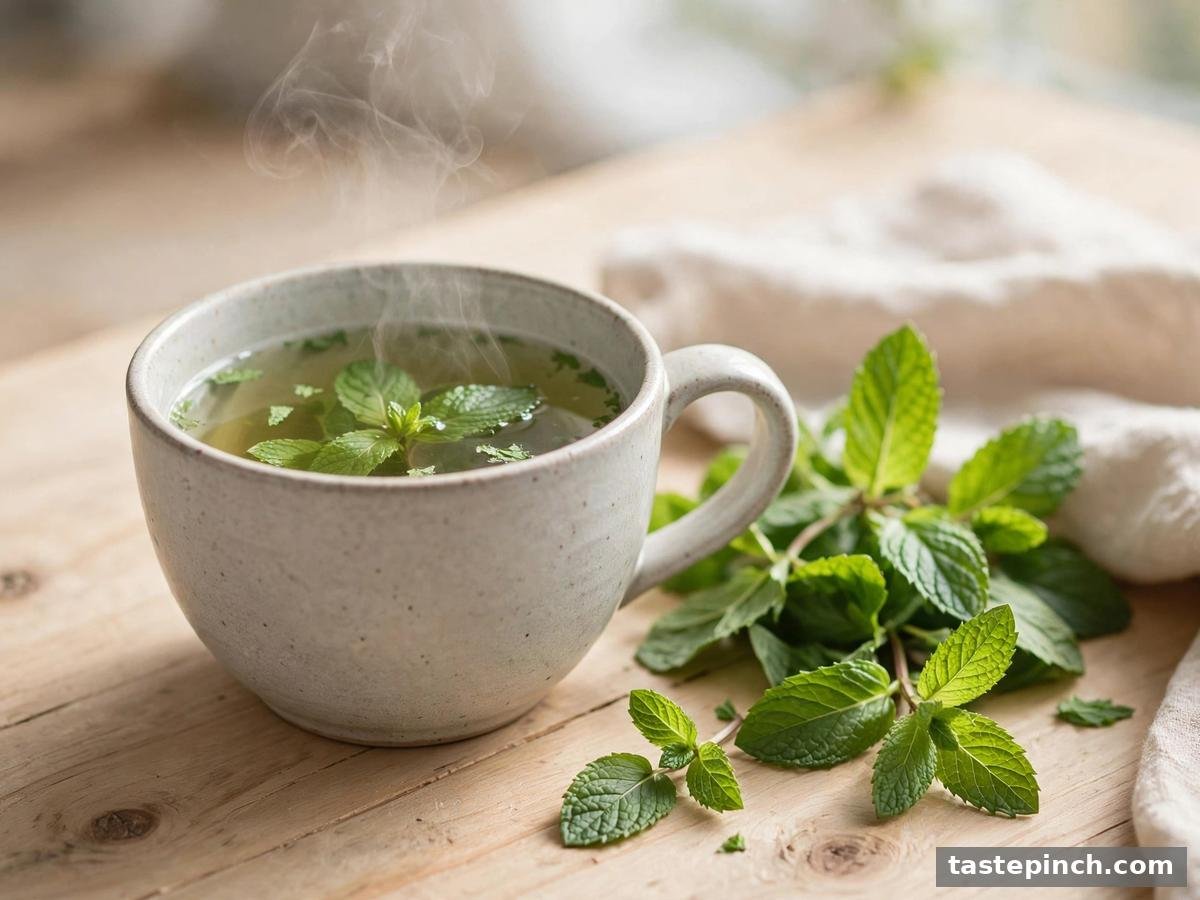
Herbal teas generally don’t cause insulin to raise, especially when consumed plain and unsweetened. Insulin is a hormone that regulates blood sugar, and consuming drinks or foods that raise blood sugar will trigger insulin release.
Since most herbal teas are calorie-free and don’t contain sugar, they are unlikely to cause a significant insulin response. However, adding sweeteners, milk, or cream to your tea will raise your insulin levels and can break your fast. If you are exploring other drinks that may support appetite control, read our natural GLP-1 drink guide.
Different types of fasting
Intermittent fasting is a popular dietary approach that involves cycling between periods of eating and fasting. There are several different types of fasting, each with its own set of rules and guidelines. Here are some common types:
Alternate day fasting
In this fasting method, you alternate between days of fasting and days of normal eating. On fast days, you typically consume little or no food, while on non-fast days, you eat as you normally would.
Modified alternate day fasting
This is a variation of alternate-day fasting where you consume a limited amount of calories (usually around 500 calories) on fast days, while eating normally on non-fast days.
Time-restricted eating
This involves restricting the time window in which you eat each day. For example, you might eat only during an 8-hour window and fast for the remaining 16 hours (16:8 method).
Ramadan fasting
During Ramadan, Muslims fast from dawn until sunset, abstaining from food and water. It is a spiritual practice observed for a month each year.
Other religious fasts
Many other religions also observe fasting as part of their spiritual practices, such as Lent in Christianity and Yom Kippur in Judaism.
What is it okay to consume during a fast?
While fasting, staying hydrated is very important. Here are some drinks and foods that are typically okay to consume during a fast:
Water
Water is your friend during a fast. It keeps you hydrated, helps control hunger, and does not break your fast. Try drinking lemon water with pink salt added to it, as they help you stay hydrated.
Black coffee and tea
Black coffee and tea without sugar, milk, or cream are generally okay during fasting. They are low in calories and can help boost your energy and curb hunger.
Low calorie food and drink
Bone broth and other low-calorie drinks may be acceptable during certain types of fasting, such as modified fasting. Check with your doctor or nutritionist before consuming any food or drink during a fast.
Do Herbal Teas Affect Autophagy?
Autophagy is a cellular process that involves the recycling and removal of damaged cells and organelles. Fasting can trigger autophagy, and some herbal teas may support this process.
Tips for tea drinking during fasting
Choose unsweetened teas and drink them plain without sugar, honey, or milk. Green tea and other herbal teas are great options. Try different flavours like ginger, peppermint, and chamomile. If you are sensitive to caffeine, choose herbal teas that are caffeine-free. And remember to stay hydrated by drinking water alongside your tea. For more on staying hydrated while fasting, read our guide to hydrogen water for weight loss.
Frequently asked questions
Here are some frequently asked questions about herbal tea and fasting:
Does herbal tea break a fast?
No, herbal tea does not break a fast as long as it’s consumed plain and without sugar or sweeteners. It contains almost no calories and won’t spike your blood sugar.
Which herbal teas are safe for fasting?
Chamomile, peppermint, ginger, and hibiscus teas are all great choices for fasting. These teas are naturally caffeine-free and are unlikely to break your fast.
Chamomile is one of the gentlest options — see our chamomile tea recipe and guide.
Can you drink herbal tea during intermittent fasting?
Yes, you can drink herbal tea during intermittent fasting. Just make sure it’s unsweetened and does not contain any added sugars or calories.
Can you drink herbal tea during Ramadan fasting?
No, you cannot drink herbal tea during Ramadan fasting, as fasting during Ramadan involves abstaining from food and drink from dawn until sunset. However, you can enjoy herbal tea during the non-fasting hours.
Is herbal tea OK in intermittent fasting?
Yes, herbal tea is OK in intermittent fasting, as long as it’s consumed plain and without any added sugar, milk, or cream. It’s a great way to stay hydrated and curb hunger during fasting periods.
Can you drink ginger tea during fasting?
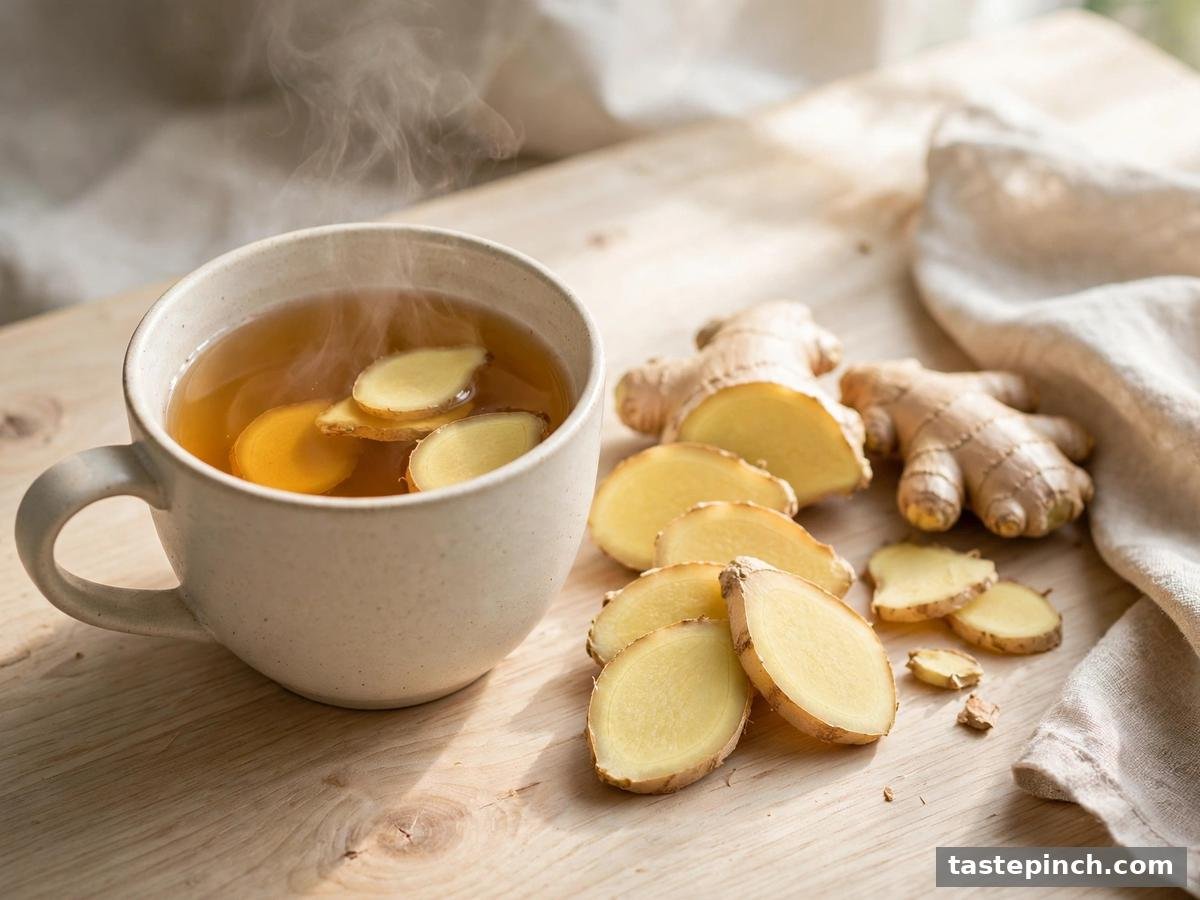
Yes, you can drink ginger cinnamon tea during fasting, as long as it’s unsweetened and does not contain any added sugars or calories. Ginger tea is known for its digestive properties and can be a soothing drink during fasting.
For a Costa Rican-inspired herbal infusion, see our Costa Rican tea recipe weight loss guide.
What tea can you drink while fasting?
You can drink herbal teas like chamomile, peppermint, ginger, hibiscus, and rooibos while fasting. These teas are naturally caffeine-free and low in calories, making them suitable for fasting. You can also drink black tea, green tea, and oolong tea, as long as they’re unsweetened and do not contain any added milk or cream.
Can you drink herbal tea during a water fast?
During a water fast, only water is allowed. However, you can drink herbal tea during other types of fasting, such as intermittent fasting, as long as it’s unsweetened and does not contain any added calories.
Final Words
In conclusion, herbal tea is generally safe to drink during a fast as long as it’s unsweetened and doesn’t contain added calories. Stay hydrated, choose unsweetened varieties, and listen to your body. If you’re fasting for medical reasons such as blood work or surgery, only water is allowed — so always follow your doctor’s instructions. We hope this article helped you understand how herbal tea fits into your fasting routine. Happy sipping!
If you want to compare teas for weight management, see our best tea for weight loss roundup.
For the full guide to what herbal teas can and can’t do, see our herbal tea benefits guide.
More from TastePinch
Explore more from TastePinch:
- Lemon Water 7 Day Challenge: What to Expect
- Hydrogen Water for Weight Loss
- Natural GLP-1 Drink
- Pink Salt Recipe for Weight Loss: Facts & Drink
- Apple Cider Vinegar Drink Recipe: Easy & Refreshing ACV
Related: does matcha have caffeine — how much caffeine matcha has per serving and what to know.

Dana Whitfield is a recipe developer and food writer with a love for bold flavors and creative drinks. From restaurant copycat recipes to handcrafted cocktails like the Pistachio Martini and Blackberry Margarita, Dana believes great food should be approachable — no culinary school required. She’s spent years testing and perfecting recipes across cuisines, specialty diets, and everything in between. TastePinch is her corner of the internet where every pinch of flavor tells a story.