

Quick answer
For pomegranate weight loss, Pomegranate is not a proven weight-loss treatment and does not burn fat. It can still be a useful part of a weight-management pattern because it is low in calories, high in fiber, and rich in nutrients. This guide from TastePinch explains the benefits, calories, juice, and best ways to eat pomegranate.
Important medical disclaimer: Pomegranate is not a proven weight-loss treatment and does not burn fat. The 2023 meta-analysis found that the average weight change from pomegranate intake was small and not clinically meaningful. Pomegranate may also interact with some medications, including blood pressure medicines, statins, and warfarin. Talk to your doctor or pharmacist before adding large amounts of pomegranate or pomegranate juice to your diet, especially if you take prescription medicines or have a medical condition.
The 2023 meta-analysis authors found that pomegranate intake significantly reduced body weight, body mass index, and waist circumference. However, the average weight change was small, and not clinically meaningful, so it should not be viewed as a fat-burning food, especially when compared with overall energy intake, eating patterns, physical activity, sleep, and stress.
What Are Pomegranate?
Pomegranate is a fruit that grows on a small shrub or tree with the scientific name Punica granatum. Pomegranates have a deep-red, thick skin that is inedible. The fruit contains hundreds of jewel-like seeds called arils.
What makes pomegranate nutritionally interesting?
Pomegranates have small amounts of protein and fat. They are high in fiber and offer several vitamins, including vitamin C, vitamin K, and folate. Pomegranates contain several active compounds – including punicalagins, ellagitannins, and anthocyanins – that help protect your cells from damage.
Can you eat the seeds?
Yes, you can eat pomegranate seeds, or arils. They are the most commonly eaten part of the fruit, and they can be eaten raw or added to dishes as a garnish. Pomegranate seeds are soft, sweet, and slightly crunchy. Pomegranate seeds are rich in antioxidants and are packed with nutrients, including dietary fiber, vitamin C, vitamin K, folate, and potassium, making them a nutritious addition to your diet. The seeds can also be juiced, and the juice can be used to flavor many dishes and drinks.
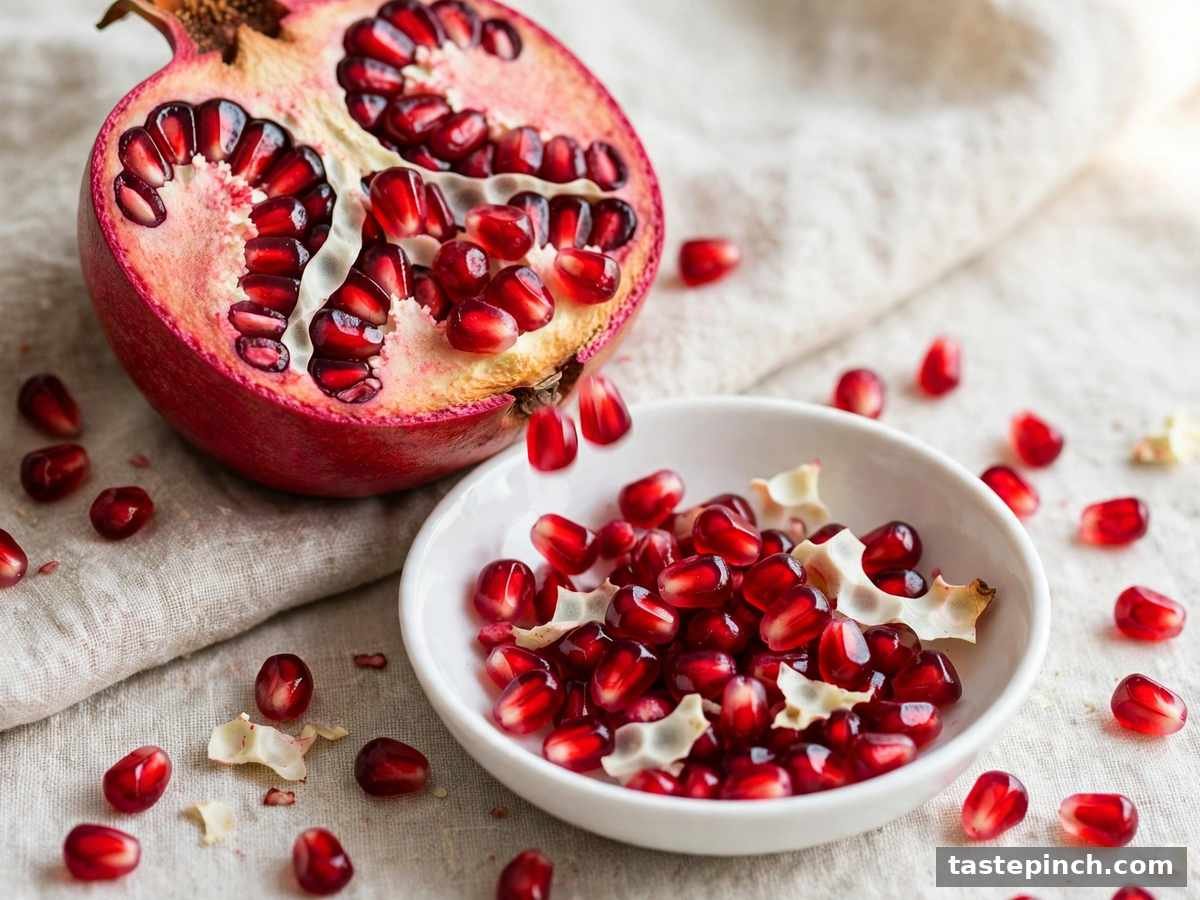
Pomegranate Nutrition
One cup (174 grams) of pomegranate arils provides:
| Nutrient | Amount |
|---|---|
| Calories | 144 |
| Protein | 2.9 g |
| Fat | 2.1 g |
| Carbohydrate | 32.6 g |
| Fiber | 6.9 g |
| Vitamin C | 48.8 mg (54% DV) |
| Vitamin K | 28.8 mcg (24% DV) |
| Folate | 66.2 mcg (17% DV) |
| Potassium | 411 mg (12% DV) |
How many calories in a pomegranate?
A whole pomegranate (282 g) has 234 calories. One cup of arils has 144 calories, and 1 cup of juice has about 134 calories.
For comparison, one cup of pomegranate juice provides about 134 calories, 32 grams of carbs, and 0.5 grams of fiber, according to WebMD. For context, some sources note that some pomegranate juice products contain added sugars, so choosing juice made from 100% pomegranate juice without added sugars can be a better choice.
How to Open a Pomegranate
Opening a pomegranate may seem intimidating, but it is simple once you know the steps. Here is how to open it and remove the seeds:
- Cut off the top of the pomegranate with a sharp knife, about 1/2 inch down from the crown, making sure not to cut into the seeds.
- Score the skin of the pomegranate along the white ridges from the top to the bottom, cutting just through the skin.
- Gently pull apart the sections of the pomegranate to expose the seeds.
- Use your fingers to remove the seeds from the white membrane, or gently knock them out with the back of a spoon.
- Place the seeds in a bowl of water to help separate any remaining membrane, then drain and enjoy.
How to remove pomegranate seeds easily
To remove pomegranate seeds easily, try the water method: cut the pomegranate into sections and submerge them in a bowl of water. Gently pull the seeds away from the membrane underwater – the seeds will sink while the membrane floats, making it easy to separate them.
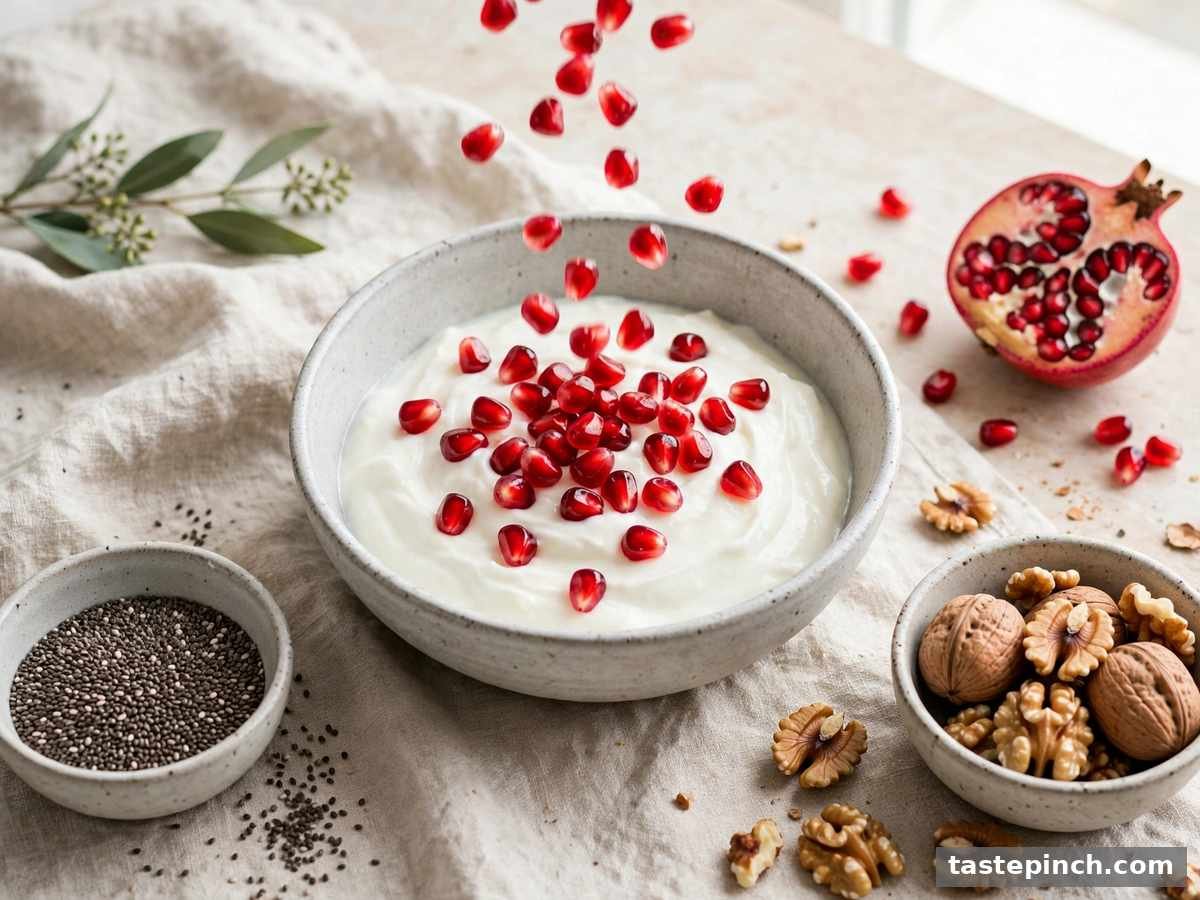
6 Pomegranate Health Benefits
1. Blood pressure
Pomegranate juice may help support healthy blood pressure. Some studies have shown that regular consumption of pomegranate juice can help lower systolic blood pressure, possibly due to its antioxidant and anti-inflammatory effects. One analysis notes that pomegranate juice reduced blood pressure by about 5 mm Hg for systolic pressure and about 2 mm Hg for diastolic pressure, according to GoodRx. More research is needed to confirm how much of this effect applies in everyday diets.
2. Heart health
Pomegranate may support heart health through its antioxidants and anti-inflammatory compounds. Some research suggests that pomegranate juice can help reduce cholesterol and improve blood flow. The American Heart Association (AHA) recognizes that eating a diet rich in fruits and vegetables, including pomegranates, can support heart health, although more specific research on pomegranate and heart disease is still needed.
3. Anti-cancer properties
Pomegranate contains compounds such as punicalagins and ellagic acid that have shown anti-cancer activity in laboratory and animal studies. Some research suggests that pomegranate may help slow the growth of certain cancer cells, particularly in prostate and breast cancer. However, more human studies are needed to confirm these effects.
4. Brain health
Pomegranate may help protect brain health. Its antioxidants may help reduce inflammation and oxidative stress in the brain, which are linked to neurodegenerative diseases such as Alzheimer’s and Parkinson’s. Some studies suggest that pomegranate juice may improve memory and cognitive function, although more research is needed.
5. Libido
Pomegranate has long been associated with fertility and sexual health. Some studies suggest that pomegranate juice may help improve erectile function and increase testosterone levels in men, possibly due to its antioxidant effects. However, more research is needed to confirm these effects.
6. Exercise performance
Pomegranate juice may help improve exercise performance. Some research suggests that the nitrates in pomegranate juice can help improve blood flow and oxygen delivery to muscles, potentially enhancing endurance and reducing fatigue. One study found that pomegranate extract improved exercise performance in athletes, although more research is needed to confirm these benefits.
Pomegranate juice nutrition
Pomegranate juice is made by pressing the arils to extract the juice. One cup of pomegranate juice provides about 134 calories, 32 grams of carbohydrates, and 0.5 grams of fiber. It is also rich in vitamin C, vitamin K, and potassium, and contains antioxidants such as punicalagins and anthocyanins.
Is pomegranate juice good for weight loss?
Pomegranate juice can be part of a weight-management pattern, but it is less filling than whole pomegranate because it contains very little fiber. A small glass of 100% pomegranate juice can fit into a balanced diet, but whole arils are usually the better choice when you want to stay full. If you prefer a tart morning drink, the Apple Cider Vinegar Drink is another option to try in small amounts as part of a balanced routine.
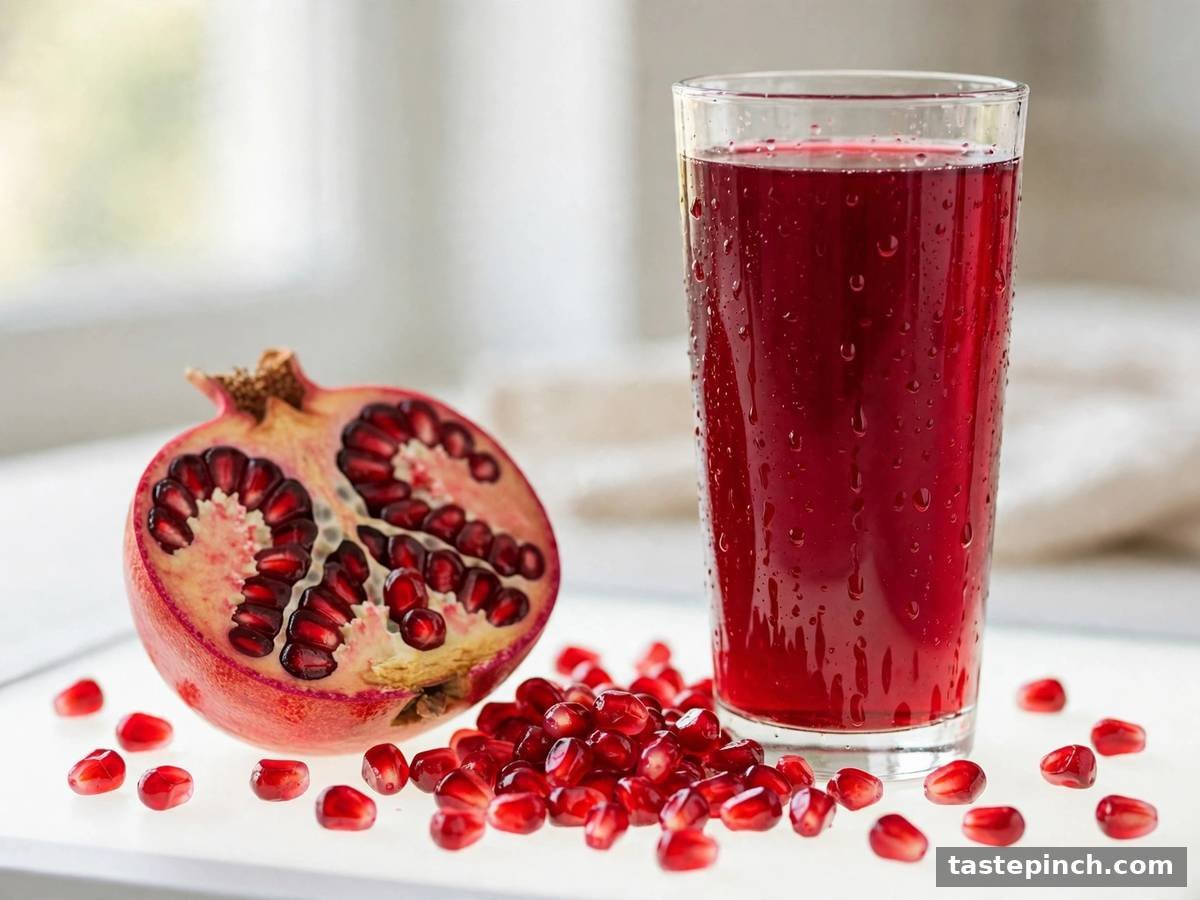
Whole pomegranate vs pomegranate juice
| Factor | Whole pomegranate (1 cup arils) | Pomegranate juice (1 cup) |
|---|---|---|
| Calories | 144 | 134 |
| Fiber | 6.9 g | 0.5 g |
| Fullness | Higher | Lower |
| Sugar | Natural sugars with fiber | Natural sugars, little fiber |
| Best for weight management | Better choice | Use in small amounts |
Does pomegranate help with weight loss?
Pomegranate may help support weight management in small ways, but it is not a weight-loss treatment. Its fiber can help you feel fuller, its low calorie density makes it easy to fit into a balanced diet, and its antioxidants support overall health. A 2023 meta-analysis found that pomegranate intake was linked to small reductions in body weight, body mass index, and waist circumference, but the average change was not clinically meaningful, according to PubMed. For a filling drink idea, try our Natural GLP-1 Drink as part of a balanced routine.
How to Eat Pomegranate for Weight Loss
Here are practical ways to enjoy pomegranate as part of a balanced, weight-management pattern:
- Add pomegranate arils to Greek yogurt, oatmeal, or salads for color, crunch, and fiber.
- Use pomegranate arils as a topping for smoothie bowls or whole-grain breakfast bowls.
- Drink a small glass of 100% pomegranate juice instead of a sugary drink, and keep portions small.
- Pair pomegranate with protein and healthy fats, such as yogurt, nuts, or seeds, to stay full longer.
- Use pomegranate arils in place of higher-calorie toppings such as candied fruit or syrups.
Some readers also try the Pink Salt Recipe for Weight Loss as part of a morning routine, and for another simple morning habit, see our Lemon Water 7 Day Challenge. These are simple habits to try alongside balanced meals, not replacements for them.
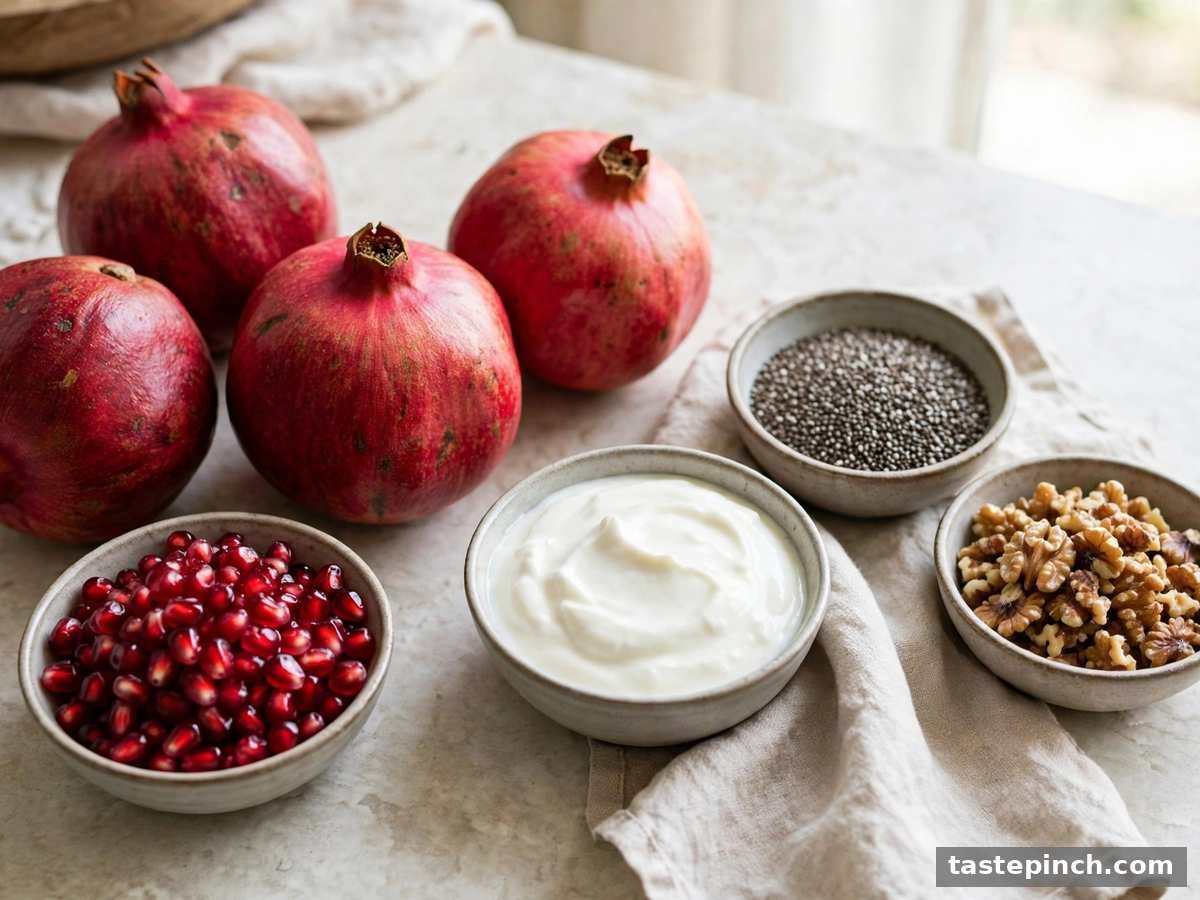
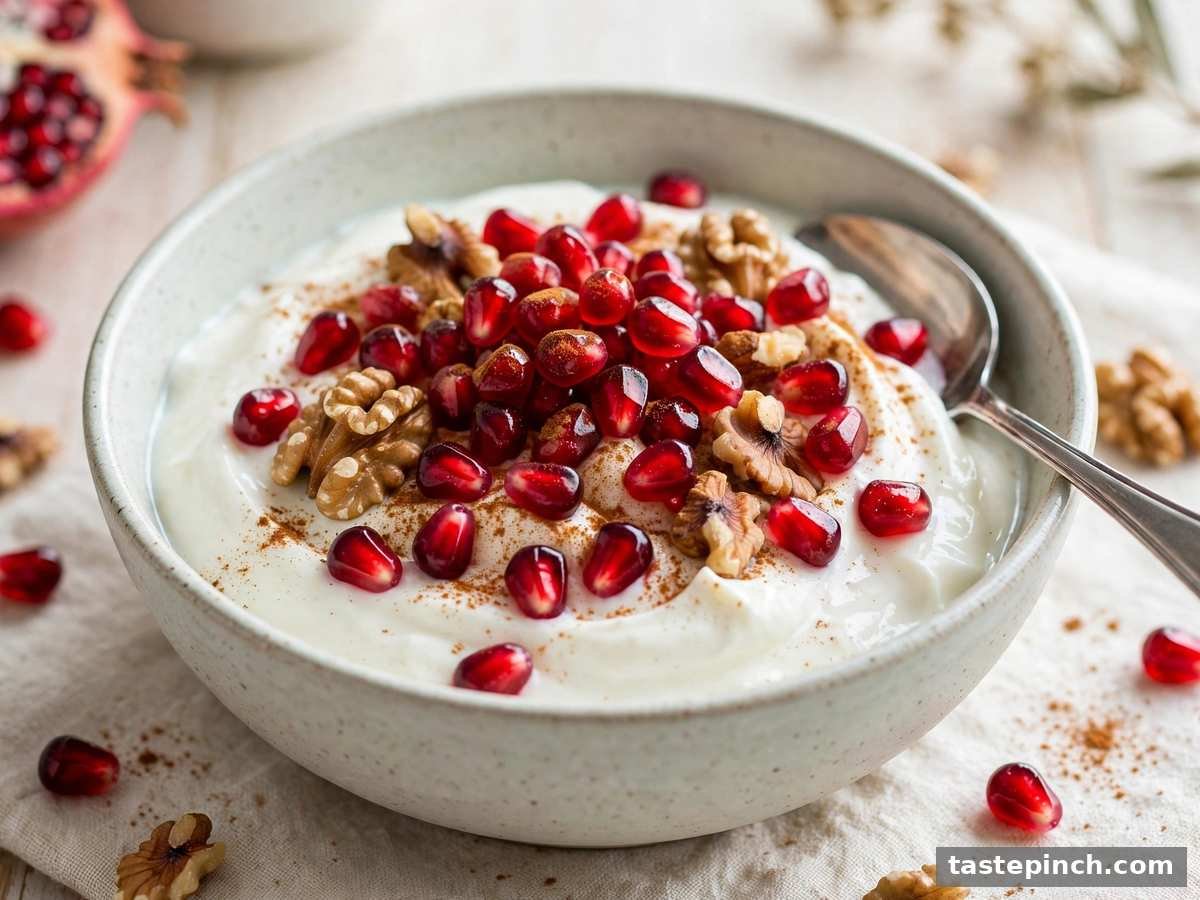
Serving pomegranate over yogurt or oatmeal is one of the easiest ways to enjoy it. A small bowl with protein, fiber, and healthy fats can make a satisfying breakfast or snack without adding a lot of calories.
How to choose the best pomegranate juice
What should you look for in pomegranate juice?
- Choose 100% pomegranate juice with no added sugars.
- Check the ingredient list – it should list only pomegranate juice.
- Avoid juice blends that are mostly apple or grape juice with a small amount of pomegranate.
- Keep portions small, about 4 to 8 ounces, and enjoy it with a meal or snack rather than on its own.
Who should not drink pomegranate juice?
Most people can enjoy pomegranate in normal food amounts, but some people should be careful with large amounts of pomegranate juice:
- People taking blood pressure medicines, statins, or warfarin should talk to a doctor first, because pomegranate may interact with these medicines.
- People with diabetes should watch portions, because juice is concentrated in natural sugars and contains very little fiber.
- People with a pomegranate allergy should avoid it.
- Anyone with a medical condition or who takes prescription medicine should ask a doctor or pharmacist before drinking large amounts of pomegranate juice regularly.
Is pomegranate safe during pregnancy?
Pomegranate in normal food amounts is generally considered safe during pregnancy, but large amounts of pomegranate juice or supplements have not been well studied in pregnancy. Pregnant people should talk to their doctor before taking pomegranate supplements or drinking large amounts of juice.
Can pomegranate cause digestive problems?
Pomegranate is usually well tolerated, but eating very large amounts may cause stomach discomfort, bloating, or diarrhea in some people, partly because of its fiber content. Starting with a small portion and drinking enough water can help. If digestive symptoms persist, reduce the amount or talk to a doctor.
Frequently Asked Questions
Does pomegranate burn belly fat?
No. Pomegranate does not burn fat or target belly fat. No single food can do that. It can support a balanced diet because it is low in calories and high in fiber, but weight loss depends on overall energy intake, eating patterns, physical activity, sleep, and stress.
Is pomegranate good for weight loss?
Pomegranate can be a good choice within a weight-management pattern. It is low in calories, high in fiber, and rich in nutrients. Whole arils are a better choice than juice because the fiber helps you feel full.
How many calories are in pomegranate?
One cup of pomegranate arils has about 144 calories, and a whole pomegranate has about 234 calories. One cup of pomegranate juice has about 134 calories.
Is pomegranate juice good for weight loss?
Pomegranate juice can fit into a balanced diet in small amounts, but whole pomegranate is usually the better choice for weight management because juice contains very little fiber and is less filling.
When is the best time to eat pomegranate?
There is no single best time to eat pomegranate. It works well as part of breakfast, as a snack, or as a topping for salads and yogurt bowls. Pairing it with protein, such as Greek yogurt, can help you stay full longer.
Takeaways
- Pomegranate is low in calories, high in fiber, and rich in vitamin C, vitamin K, folate, and potassium.
- Whole pomegranate arils are a better choice than juice for weight management because they contain much more fiber.
- Pomegranate is not a proven weight-loss treatment and does not burn fat.
- A 2023 meta-analysis found only a small, not clinically meaningful, average weight change from pomegranate intake.
- Choose 100% pomegranate juice with no added sugars, and keep portions small.
- Talk to a doctor or pharmacist first if you take blood pressure medicines, statins, or warfarin.
Learn more: Pomegranate on Wikipedia
More from TastePinch
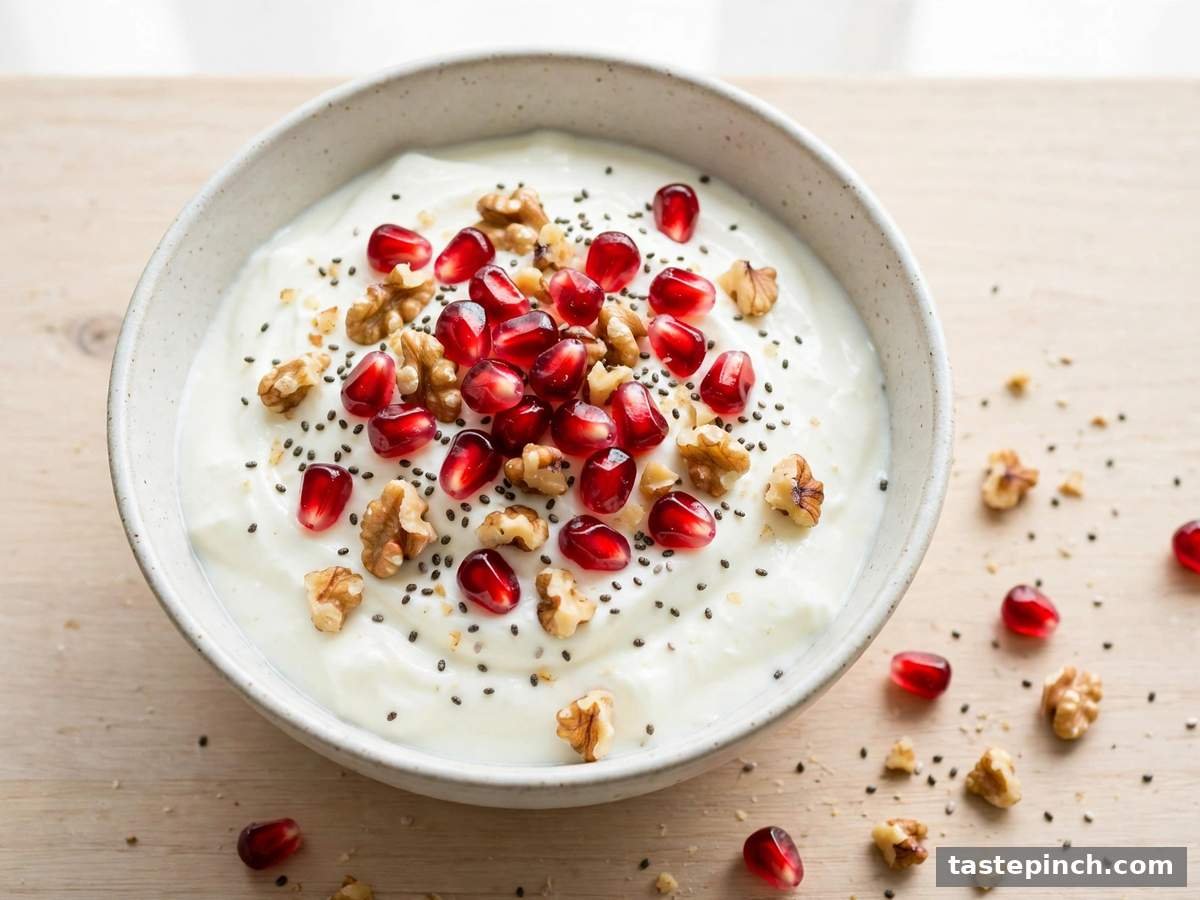
Pomegranate Greek Yogurt Weight-Management Bowl
Ingredients
Method
- Put the yogurt in a bowl.
- Sprinkle the pomegranate arils over the yogurt.
- Add the chia seeds and chopped walnuts.
- Sprinkle the ground cinnamon on top.
- Add the water if needed to loosen the yogurt.
- Serve immediately.
Notes

Dana Whitfield is a recipe developer and food writer with a love for bold flavors and creative drinks. From restaurant copycat recipes to handcrafted cocktails like the Pistachio Martini and Blackberry Margarita, Dana believes great food should be approachable — no culinary school required. She’s spent years testing and perfecting recipes across cuisines, specialty diets, and everything in between. TastePinch is her corner of the internet where every pinch of flavor tells a story.