

Apple Cider Vinegar Drink Recipe
An apple cider vinegar drink recipe is simply diluted ACV blended with water and flavorful ingredients such as lemon, honey, or cinnamon. After developing wellness-focused recipes, I’ve found that dilution is the key to making vinegar more pleasant and practical. Raw apple cider vinegar, lemon juice, natural sweetener, filtered water, and fresh herbs create a refreshing drink without overwhelming acidity.
The biggest mistake is treating ACV like a concentrated shot. A properly diluted drink is gentler and easier to sip, while still fitting naturally into a balanced routine. If you’re looking for a simple morning drink, a low-sugar beverage, or a flavorful alternative to plain water, this recipe gives you a flexible starting point.
Ingredients
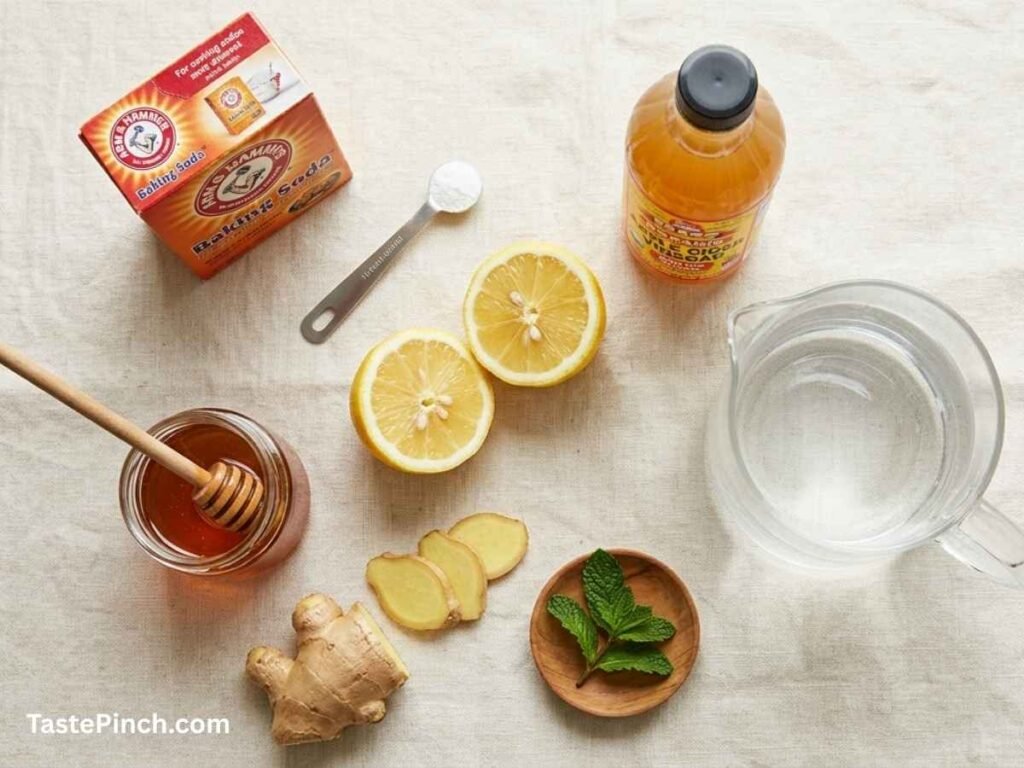
For one refreshing serving, use 8 ounces of filtered water, 1 tablespoon raw unfiltered apple cider vinegar, 1 tablespoon fresh lemon juice, and 1 teaspoon honey. Add ice for a cold drink. These ingredients mirror the core combinations found throughout the ranking recipe pages while keeping the flavor bright and uncomplicated.
For additional flavor, add a small pinch of cinnamon, a few mint leaves, or a thin slice of fresh ginger. If you prefer less sweetness, skip the honey or use a small amount of a non-sugar sweetener. The goal is balance: water should remain the dominant ingredient, not vinegar.
How to Make Apple Cider Vinegar Drink Recipe
Start by adding the filtered water to a tall glass or mason jar. Stir in the apple cider vinegar and fresh lemon juice, then add honey and mix until it dissolves. Finish with ice, mint, cinnamon, or ginger if desired. The drink takes only a few minutes to prepare.
If the vinegar flavor feels too sharp, don’t force yourself to drink it stronger. Add more water or reduce the ACV next time. Competitor recipes commonly recommend adjusting the quantity to taste, particularly for people who are new to vinegar-based drinks.
Instructions
- Add 8 ounces of filtered water to a glass.
- Stir in 1 tablespoon apple cider vinegar.
- Add 1 tablespoon fresh lemon juice.
- Mix in 1 teaspoon honey, if using.
- Add ice for a chilled version.
- Stir thoroughly before drinking.
- Sip rather than consuming concentrated vinegar.
For a milder first serving, begin with 1 teaspoon ACV and increase only if the flavor agrees with you. Never drink undiluted apple cider vinegar. Its acidity can irritate the throat and contribute to dental erosion.



Apple Cider Vinegar Drink Recipe: Easy & Refreshing ACV
Variations
The easiest variation is a citrus version with extra lemon, lime, orange, pineapple, or cranberry. You can also replace still water with sparkling water for a more refreshing mocktail-style drink. Fresh mint, ginger, cinnamon, and turmeric can change the flavor without requiring a completely different recipe.
For a lower-sugar version, omit honey and rely on lemon, mint, ginger, or cinnamon for flavor. If you want a warmer drink, use warm rather than boiling water. These changes preserve the basic ACV-and-water structure while making the drink easier to personalize.
Storage Tip
For the freshest flavor, prepare the drink shortly before serving. If you make a larger batch, keep it refrigerated in a sealed glass container and shake or stir before serving because ingredients such as honey and cinnamon can settle. Simple Green Smoothies recommends keeping its prepared drink refrigerated for two to three days.
Avoid leaving a homemade ACV drink sitting at room temperature for long periods, particularly when fresh fruit or herbs are added. A chilled serving also tends to make the acidic flavor less noticeable, which can make the drink considerably easier to enjoy.
What are the health benefits of drinking apple cider vinegar (diluted)?
ACV contains acetic acid, and research suggests vinegar consumption may influence several metabolic measures. A 2025 systematic review and meta-analysis of controlled trials in people with type 2 diabetes reported improvements in fasting blood glucose and HbA1c, although the evidence base remains limited and does not make ACV a replacement for medical treatment.
Research on body weight is also developing. A 2025 meta-analysis of randomized trials reported reductions in body weight, BMI, and waist circumference among adults with overweight, obesity, or type 2 diabetes, but the authors described ACV as an adjunct rather than a standalone weight-loss solution.
What are the side effects of drinking apple cider vinegar?
The major practical concern is acidity. Regular vinegar consumption can contribute to dental erosion, and one clinical study found increased erosive tooth wear after daily vinegar ingestion over eight weeks. ACV can also cause digestive discomfort, nausea, throat irritation, and medication-related concerns in some people.
Dilution is therefore more than a flavor preference. It reduces the concentration of acid reaching the mouth and throat. People taking medications, managing a medical condition, or considering regular ACV use should discuss it with a healthcare professional rather than treating social-media wellness claims as medical guidance.
How do you drink apple cider vinegar for weight loss?
If you’re using an apple cider vinegar drink as part of weight management, think of it as a supporting food habit, not a fat-burning shortcut. Current evidence suggests possible short-term effects on body weight and appetite-related measures, but ACV doesn’t replace a calorie-appropriate diet, adequate protein, physical activity, sleep, or other fundamentals.
A sensible recipe starts with diluted ACV rather than concentrated shots. Some studies have used around 15–30 mL of vinegar per day, but research protocols vary, and more isn’t automatically better. If you have diabetes or take glucose-lowering medication, ask your clinician before making regular ACV consumption part of your routine.
Can I drink apple cider vinegar every day?
Daily diluted ACV isn’t automatically harmful for everyone, but long-term evidence is not strong enough to justify excessive intake. A systematic review found potentially beneficial metabolic effects but concluded that higher-quality, longer-term research is still needed.
If you choose to drink it regularly, keep the mixture diluted, avoid taking it straight, and pay attention to tooth sensitivity or digestive symptoms. Rinsing your mouth with plain water afterward can help reduce acid exposure. Don’t use ACV as a substitute for prescribed treatment or a medically recommended diet.
Common Questions
Can I drink apple cider vinegar with normal water?
Yes. Plain filtered water is all you need. Lemon, honey, herbs, or spices are optional flavor additions. The important point is that the vinegar should be diluted rather than consumed straight.
How much water should I mix with apple cider vinegar?
A practical starting ratio is 1 tablespoon ACV to 8 ounces of water. If you’re new to the flavor or sensitive to acidity, beginning with 1 teaspoon is more conservative.
What does apple cider vinegar taste like?
Diluted ACV tastes sharply acidic, tangy, and slightly fruity. Lemon makes it brighter, honey softens the sourness, while cinnamon, ginger, and mint provide more aromatic depth.
Is apple cider vinegar good for weight loss?
Research suggests ACV may have modest effects on body weight and related measures in some adults, but it isn’t a standalone weight-loss treatment.
Is ACV with the mother better?
“The mother” is fermentation-related material found in some raw, unfiltered ACV. Its presence does not automatically mean a drink will produce superior health outcomes, so choose a product based on quality, taste, and your dietary preferences.
Can I make this drink with sparkling water?
Yes. Sparkling water works particularly well when you want a refreshing mocktail-style ACV drink. Add the vinegar and lemon carefully, then stir gently rather than vigorously.
This soda may help to weight loss that is Baking Soda for Weight Loss Recipe.


Apple Cider Vinegar Drink Recipe
Ingredients
Equipment
Method
- Pour 8 ounces of filtered water into a tall glass.
- Add 1 tablespoon of raw, unfiltered apple cider vinegar.
- Squeeze in 1 tablespoon of fresh lemon juice.
- Add 1 teaspoon of honey, if desired.
- Stir thoroughly until the honey is completely dissolved.
- Add a small pinch of cinnamon or fresh ginger for extra flavor, if using.
- Add ice and fresh mint leaves for a chilled, refreshing drink.
- Stir once more and serve immediately.
- Important: Always dilute apple cider vinegar before drinking it. Avoid consuming undiluted vinegar because its acidity can irritate the throat and contribute to dental enamel erosion.
Notes
Use raw and unfiltered ACV if you prefer a cloudy vinegar containing the traditional “mother.”
Adjust the honey according to your preferred sweetness.
Sparkling water can replace regular water for a fizzy version.
Fresh lemon makes the drink brighter and helps balance the sharp vinegar flavor.
For a stronger ginger flavor, add freshly grated ginger instead of slices.
Serve immediately for the freshest taste.
Variations Lemon Ginger ACV Drink: Add extra fresh lemon juice and 2–3 thin slices of fresh ginger. Cinnamon ACV Drink: Add ¼ teaspoon ground cinnamon for a warm, spiced flavor. Mint ACV Drink: Add several fresh mint leaves and serve over plenty of ice. Sparkling ACV Drink: Replace filtered water with chilled sparkling water and stir gently. Low-Sugar Version: Skip the honey and use lemon, mint, ginger, or cinnamon for additional flavor. Storage This drink tastes best when prepared fresh. If you prepare a larger batch, store it in a sealed glass container in the refrigerator and consume it within 2–3 days. Stir or shake gently before serving.
Nutrition Information
Approximate nutrition per serving with 1 teaspoon honey: Calories: 21 kcalCarbohydrates: 6 g
Sugar: 5 g
Protein: 0 g
Fat: 0 g
Fiber: 0 g
Sodium: 2 mg Nutrition values are estimates and can vary depending on the brand of apple cider vinegar, honey, lemon, and optional ingredients used.
Dana Whitfield is a recipe developer and food writer with a love for bold flavors and creative drinks. From restaurant copycat recipes to handcrafted cocktails like the Pistachio Martini and Blackberry Margarita, Dana believes great food should be approachable — no culinary school required. She’s spent years testing and perfecting recipes across cuisines, specialty diets, and everything in between. TastePinch is her corner of the internet where every pinch of flavor tells a story.