


Does matcha have caffeine? Yes, it does. Matcha is made from green tea leaves, and those leaves naturally contain caffeine. A typical serving of matcha has about 30-70 mg of caffeine, which is similar to a cup of black tea and less than a regular cup of coffee. The exact amount depends on how much matcha powder you use, the quality of the matcha, and how you prepare it.
Because matcha is a whole-leaf tea powder, you consume the entire leaf rather than just an infusion, which is why it usually has more caffeine than a regular cup of green tea. It also contains L-theanine, an amino acid that works with caffeine to support calmer, more sustained energy without the sharp spike and crash many people feel after coffee. This article is for informational purposes only and is not intended to replace professional medical advice. If you are pregnant or have a medical condition, consult your doctor before drinking matcha regularly.
Does Matcha Contain More Caffeine Than Regular Green Tea?
Yes. Matcha and green tea come from the same plant, but matcha usually has more caffeine because you drink the whole leaf in powdered form. With regular green tea, the leaves are steeped in water and then removed, so some of the caffeine stays in the leaves. Matcha has about 30-70 mg of caffeine per serving, while brewed green tea has about 20-45 mg. You can reduce the caffeine in matcha by using less powder or adding more water or milk.

The main difference is how the tea is consumed. Green tea is an infusion, while matcha is a suspension of finely ground whole leaves, so you take in more of the leaf’s natural compounds, including caffeine and L-theanine.
| Drink | Caffeine (mg) |
|---|---|
| Matcha | 30-70 mg |
| Green Tea | 20-45 mg |
| Black Tea | 40-70 mg |
| Coffee | 80-100 mg |
Regular green tea contains less caffeine than matcha because the leaves are removed after steeping, and the caffeine is not fully extracted into the water.
For a broader comparison of teas, see our Best Tea for Weight Loss guide.
Why Does Matcha Have Caffeine?
Matcha is a finely ground powder made from shade-grown green tea leaves. Before harvest, the plants are covered to reduce sunlight, which increases the levels of caffeine, chlorophyll, and L-theanine in the leaves. This is also what gives matcha its bright green color. For more background, see this matcha overview.
The leaves are picked, dried, and then stone-ground into a fine powder. Because the whole leaf is consumed, matcha contains more caffeine than most steeped teas made from the same plant.
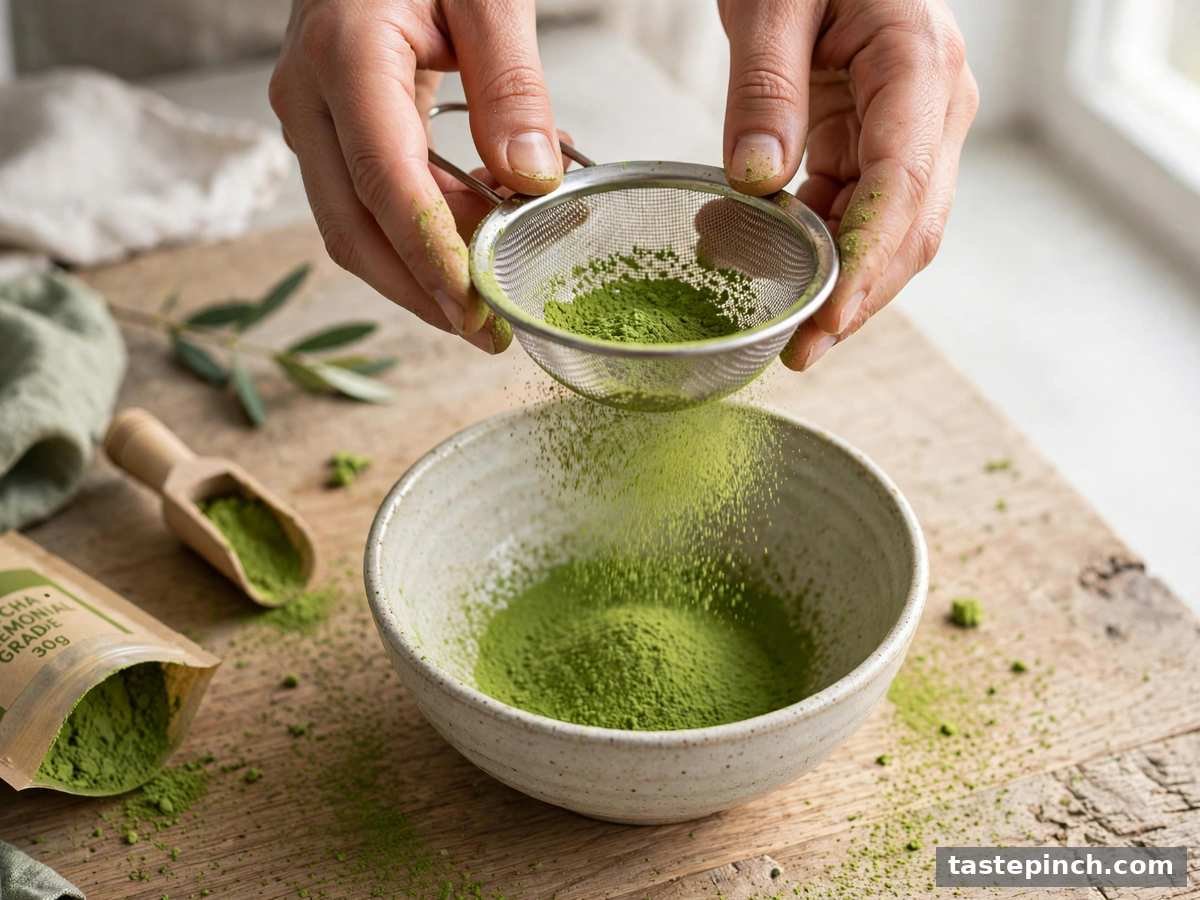
Does matcha have caffeine in a concentrated form? Yes. Since you consume the entire leaf, the caffeine in matcha is also more concentrated. A typical 1-2 g serving provides about 30-70 mg of caffeine, depending on the amount of powder and the grade of matcha.
Does Matcha Have More Caffeine Than Coffee?
No, matcha has less caffeine than coffee. A cup of coffee usually contains 80-100 mg of caffeine, while a serving of matcha has about 30-70 mg. Even strong matcha made with more powder usually stays below the caffeine level of a regular cup of coffee, unless a very large amount of powder is used.
| Drink | Caffeine (mg) |
|---|---|
| Matcha | 30-70 mg |
| Black Tea | 40-70 mg |
| Green Tea | 20-45 mg |
| Coffee | 80-100 mg |
Matcha has less caffeine than coffee and provides a smoother, more gradual energy lift because of its L-theanine content.
Matcha offers a gentler energy lift than coffee because it contains L-theanine, which supports focus and calm alertness. Many people prefer matcha if coffee makes them jittery, anxious, or causes a sudden energy crash.
What Factors Affect Caffeine in Matcha?
The caffeine in matcha can vary significantly depending on the type of matcha, the amount used, and how it is prepared. Here are the main factors that affect caffeine content.
- Matcha Quality: Ceremonial-grade matcha has a higher caffeine content than culinary-grade matcha because it is made from younger, shade-grown leaves. Culinary-grade matcha is made from older leaves and is usually used in lattes or smoothies.
- Serving Size: The more matcha powder you use, the more caffeine you get. A standard serving is 1-2 g, but some people use 3-4 g for stronger matcha.
- Preparation Method: Adding more water or milk dilutes the caffeine concentration but does not remove it. Whisking matcha into a small amount of water gives a stronger, more concentrated drink.
- Leaf Type: The age and variety of the leaves affect caffeine levels. Younger leaves tend to contain more caffeine and L-theanine than older, coarser leaves.

Matcha quality plays a significant role. High-quality ceremonial matcha contains more caffeine and L-theanine than culinary-grade matcha because it is made from younger leaves grown in the shade. Ceremonial matcha is usually used for traditional tea, while culinary-grade matcha is used for lattes and baking.
Does L-Theanine Change How Matcha Caffeine Feels?
Yes. L-theanine is an amino acid found in green tea that promotes relaxation without drowsiness. It works together with caffeine to support calm focus and smoother energy, which is why matcha is often described as providing steady energy rather than a sharp jolt.
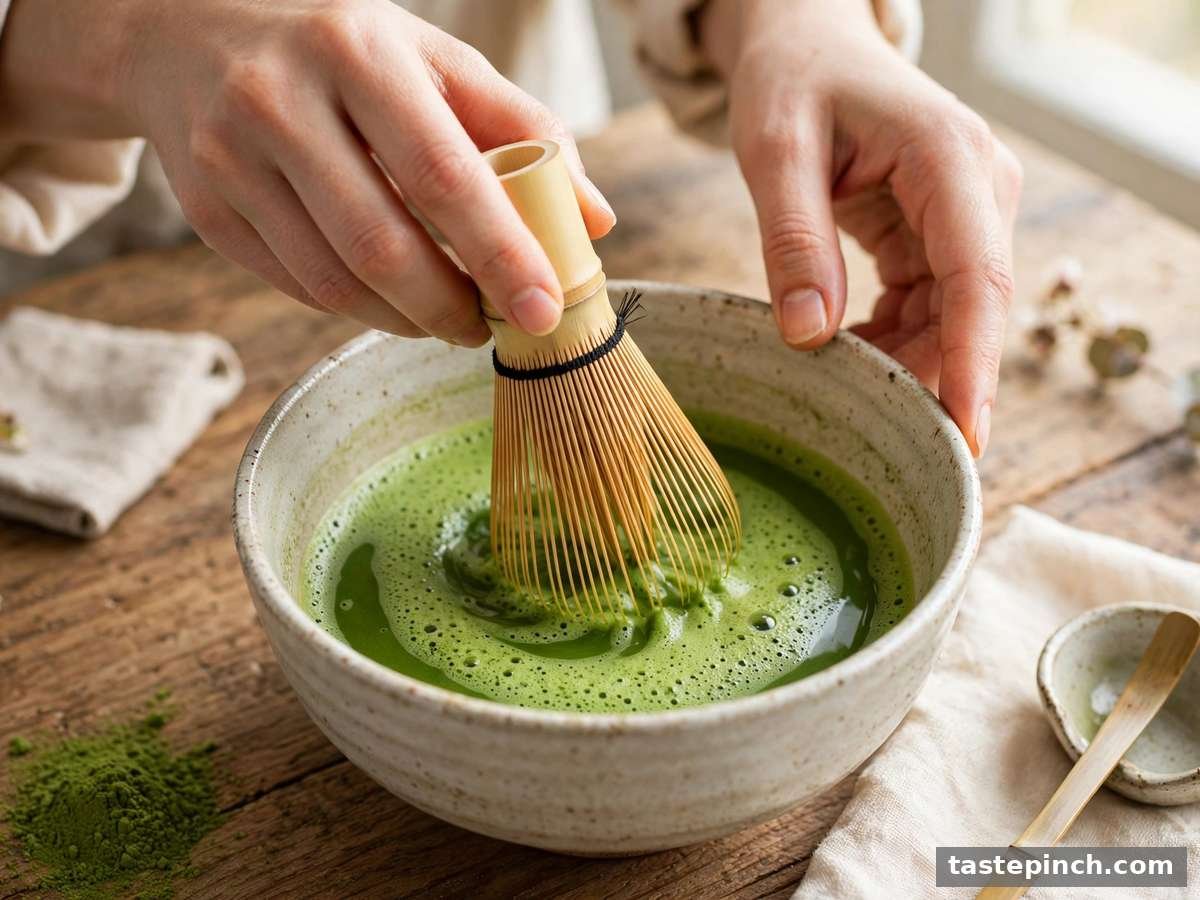
L-theanine works with caffeine to help you feel alert and focused without feeling wired. This combination is one reason many people prefer matcha over coffee for morning energy.
Can Matcha Give You Energy?
Does matcha have caffeine that gives you energy? Yes, matcha can give you steady, lasting energy. The caffeine in matcha is absorbed more gradually than the caffeine in coffee, and the L-theanine helps balance the stimulation. This is why matcha is popular as a morning drink and as a pre-workout drink. If you are sensitive to caffeine, start with a small serving to see how your body responds.
For another warming drink, see our ginger tea guide.
Is Matcha Suitable for Everyone?
Matcha is safe for most adults when consumed in moderation, but it is not suitable for everyone. People who are sensitive to caffeine, have anxiety, sleep problems, or certain heart conditions should be cautious and may want to limit their intake. If you are taking medication or have a health condition, check with your doctor before drinking matcha regularly.
If you need a caffeine-free option, chamomile tea is a gentle choice.
Can You Drink Matcha During Pregnancy?
Matcha can be consumed during pregnancy in small amounts, but it is important to keep your total caffeine intake within the recommended limit. Most health guidelines suggest keeping caffeine below 200 mg per day during pregnancy, which is roughly two to three servings of matcha, depending on how strong it is. However, because every pregnancy is different, it is best to talk to your doctor before drinking matcha while pregnant.
Can You Drink Matcha Before Bed?
Matcha contains caffeine, so it is not the best choice right before bed. It is better to drink it in the morning or early afternoon. If you drink matcha in the evening, it may make it harder to fall asleep or reduce sleep quality. For a caffeine-free evening drink, try herbal tea instead.
For a caffeine-free evening drink, try peppermint tea or chamomile mint tea.
Does Matcha Have Caffeine in Matcha Lattes?
Yes, matcha lattes contain caffeine because they are made with matcha powder. The caffeine content depends on how much matcha is used and the size of the drink. A small latte made with 1 g of matcha will have less caffeine than a large latte made with 2-3 g. Adding milk does not remove caffeine, but it can make the drink taste smoother and less intense.
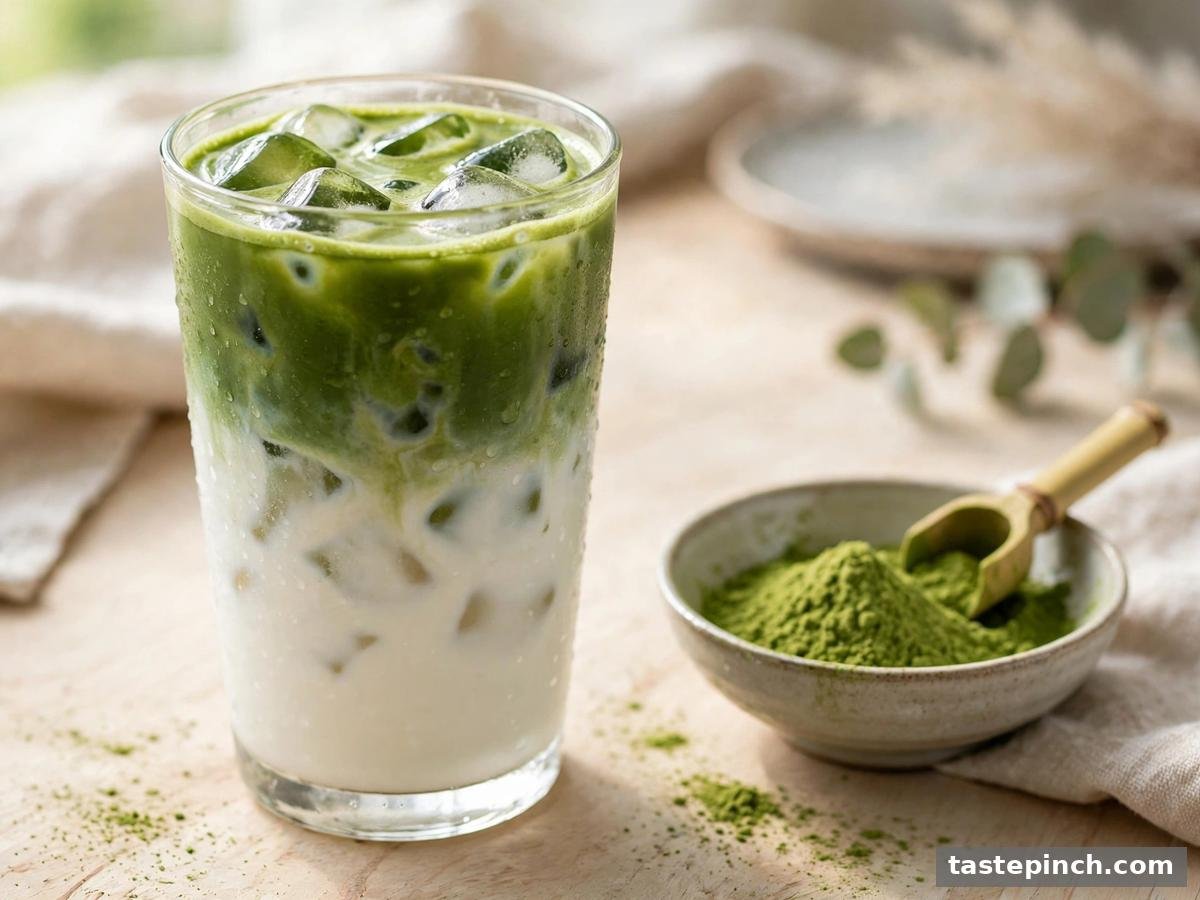
A matcha latte made with 1-2 g of matcha typically contains about 30-70 mg of caffeine. The exact amount depends on the amount of powder used and whether it is a small or large drink.
Is Matcha Caffeine-Free?
Does matcha have caffeine in every serving? Yes, matcha is not caffeine-free. All true matcha made from Camellia sinensis leaves contains caffeine. There is no naturally caffeine-free matcha, and decaffeinated matcha is very rare. If you want a caffeine-free drink, choose a herbal tea such as chamomile, peppermint, or rooibos instead.
How Much Matcha Can You Drink Per Day?
Does matcha have caffeine that adds up across servings? Yes, and most adults can safely drink 1-2 servings of matcha per day, which is about 1-4 g of powder. This provides roughly 30-140 mg of caffeine, which is within the generally recommended daily caffeine limit of 400 mg for healthy adults. Drinking too much matcha can cause side effects such as jitteriness, anxiety, sleep problems, and stomach discomfort.
If you drink tea while fasting, see our guide Does Herbal Tea Break a Fast.
Frequently Asked Questions (FAQ)
Does matcha have caffeine, and how much is in it?
A typical serving of matcha contains about 30-70 mg of caffeine, depending on the amount of powder, the grade of matcha, and how it is prepared.
Does matcha have more caffeine than green tea?
Yes, matcha has more caffeine than green tea because you consume the whole leaf in powder form, while green tea is only steeped and the leaves are removed.
Is matcha stronger than coffee?
No, matcha is not stronger than coffee. Coffee usually contains 80-100 mg of caffeine per cup, while matcha contains about 30-70 mg per serving.
Does matcha have more caffeine than black tea?
Matcha has a moderate amount of caffeine, usually between 30 and 70 mg per serving, similar to black tea. However, matcha provides a different experience because of its L-theanine content, which supports calm energy.
Can I drink matcha every day?
Yes, you can drink matcha every day in moderation. Most adults can enjoy 1-2 servings per day, as long as their total daily caffeine intake stays within recommended limits.
Final Thoughts
Does matcha have caffeine? Yes, in a moderate amount. A typical serving provides about 30-70 mg of caffeine, less than coffee and similar to black tea, but more than regular green tea. With its L-theanine content, matcha offers steady, focused energy without the sharp spike many people feel after coffee. Enjoy it in moderation, choose a quality matcha, and adjust the amount of powder to suit your caffeine tolerance.
More from TastePinch
Explore more from TastePinch:
- Best Tea for Weight Loss
- Chamomile Tea
- Ginger Tea
- Does Herbal Tea Break a Fast
- Peppermint Tea
- Chamomile Mint Tea

Dana Whitfield is a recipe developer and food writer with a love for bold flavors and creative drinks. From restaurant copycat recipes to handcrafted cocktails like the Pistachio Martini and Blackberry Margarita, Dana believes great food should be approachable — no culinary school required. She’s spent years testing and perfecting recipes across cuisines, specialty diets, and everything in between. TastePinch is her corner of the internet where every pinch of flavor tells a story.