


When it comes to coffee for weight loss, the honest answer is simple: coffee alone does not cause weight loss, but black coffee can be a helpful, low-calorie part of a healthy routine. Because it has almost no calories, caffeine can give your metabolism a small, temporary lift and may briefly reduce appetite. The key is how you drink it: plain and black is best, while sugary coffee drinks can add hundreds of calories and work against your goals.
The short answer is that the evidence is much more modest than the hype. Caffeine can give your metabolism a small, temporary lift and may make you feel less hungry for a short time. But those effects are small, and they do not replace balanced eating, movement, or sleep. The best way to think of coffee is as a low-calorie drink that can fit into a healthy routine — as long as you keep it mostly black, watch the timing, and avoid the sugary extras that quietly add calories.
Medical disclaimer: This article is for general information only and is not medical advice. If you have a health condition, are pregnant or breastfeeding, or take medication, talk to your doctor before changing how much caffeine you drink.
Does Coffee Help You Lose Weight?
Coffee alone does not cause weight loss. There is no strong evidence that drinking coffee leads to lasting weight loss on its own. What the evidence does suggest is that caffeine may slightly increase your metabolic rate — the rate at which your body burns calories — and may briefly reduce your appetite. These effects are modest and tend to fade as your body gets used to caffeine.
In other words, coffee is not a weight-loss solution. It is a low-calorie drink that can be part of a healthy routine. The difference between coffee helping and hurting your goals usually comes down to what you add to it and how much you drink. A plain cup of black coffee has almost no calories. A large flavored latte with syrup, whipped cream, and whole milk can have as many calories as a small meal. If you drink two or three of those every day, the extra calories can work against your weight goals — not because of the coffee itself, but because of the sugar and cream.
Is Black Coffee Good for Weight Loss?
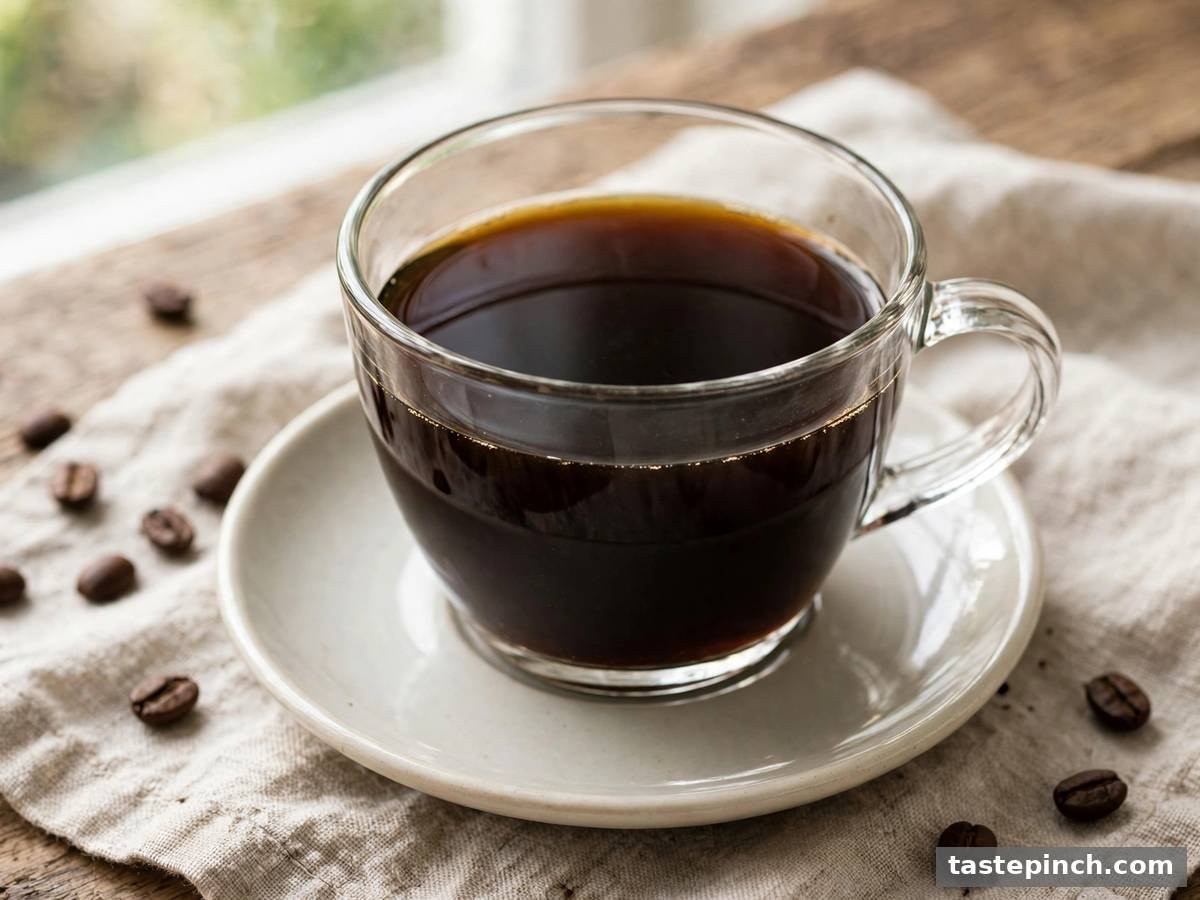
Black coffee is one of the lowest-calorie drinks you can choose. A plain cup of black coffee has about 2 calories, which means it adds almost nothing to your daily calorie intake. That is why it is often recommended as a better choice than sugary drinks, juices, or flavored coffee drinks when you are trying to manage your weight.

Black coffee also has a practical advantage: it is simple. There is no sugar, no syrup, and no whipped cream to track. If you enjoy the taste of black coffee, it can be an easy swap for higher-calorie drinks. If you find black coffee too bitter, try a different roast or brewing method, or add a splash of milk instead of sugar. Small changes like these keep the calories low while making your coffee more enjoyable.
For other low-calorie drink ideas, you might enjoy our Best Tea for Weight Loss and Low Calorie Smoothies for Weight Loss guides.
Does Coffee Burn Fat?
The idea that coffee “burns fat” is a little misleading. Caffeine can raise your metabolic rate slightly and increase fat oxidation (the process of breaking down fat for energy) for a short time after drinking it. In research terms, this effect is small and temporary. It is not the same as losing body fat over weeks or months.
Fat loss happens when you consistently consume fewer calories than you burn — through balanced eating and regular movement — not from a single drink. Coffee can be a helpful part of that routine, but it cannot do the work on its own.
Does Coffee Burn Belly Fat?
There is no evidence that coffee specifically targets belly fat. Fat loss tends to happen across the whole body, and where you lose fat first depends on your genetics, hormones, and overall lifestyle — not on one food or drink.
Claims about coffee “melting” belly fat are exaggerated and not supported by strong evidence. A steady routine of balanced meals, regular activity, and good sleep is a more reliable way to support healthy body composition than any single beverage.
How Much Caffeine Is Safe for Weight Loss?
For most healthy adults, up to 400 milligrams of caffeine per day is generally considered safe — roughly the amount in three to four cups of brewed coffee, although the exact amount varies by brew and serving size. However, this is a general guideline, not a personal recommendation. Some people feel jittery or anxious with much less.
If you are pregnant, breastfeeding, have a heart condition, high blood pressure, anxiety, or a sleep disorder, talk to your doctor about a limit that is right for you. It is also worth remembering that caffeine is not only in coffee — tea, energy drinks, soda, and some medications add to your daily total. Pay attention to all sources, not just your coffee cup.

Is Coffee Good for Weight Loss in the Morning?
In the morning, coffee is a popular way to start the day — but there is no special “fat-burning window” that makes morning coffee better for weight loss than coffee at another time. The main benefit is practical: drinking it early gives you energy and focus for the day ahead without interfering with your sleep.
Drinking coffee earlier in the day may help you use caffeine’s energy boost when you need it most — during work, chores, or exercise — while minimizing interference with sleep. An earlier cut-off is especially helpful if you notice that coffee later in the day leaves you wired at bedtime.
If you work out in the morning, a cup before exercise can feel like a boost, but it is not required. Water, rest, and a balanced breakfast are still the foundations of your energy.

How Can You Include Coffee in a Healthy Weight-Loss Routine?
Coffee works best when it supports — rather than replaces — healthy habits. If you are thinking about coffee for weight loss, here are some simple, practical ways to include it:
- Choose black coffee most of the time. Black coffee is very low in calories, so it fits easily into a weight-conscious routine. If you need a little sweetness, try a small amount of milk or a sugar-free option rather than flavored syrups or sugar.
- Watch your portions. A small or medium cup is usually enough. Large sizes make it easier to add more sugar, cream, and calories without noticing.
- Time it well. Drink coffee earlier in the day — ideally before noon or early afternoon — to avoid disrupting sleep. Poor sleep can increase hunger and cravings the next day, making weight management harder.
- Do not rely on coffee for energy. If you feel tired all the time, coffee can mask the problem. Try improving your sleep, eating regular meals, and staying hydrated first.
- Avoid using coffee as a meal replacement. Coffee does not provide the nutrients your body needs. Pair it with a balanced breakfast or snack instead of skipping food.
- Be careful with flavored drinks. Flavored lattes, frappuccinos, and sweetened cold brews can contain as much sugar as soda. Save them as an occasional treat, not an everyday habit.
If you’re interested in other popular wellness drinks, read our Herbal Tea Benefits and Natural GLP-1 Drink guides. If you’re curious about another trending wellness beverage, read our Oatzempic Recipe guide to understand its ingredients and nutritional limitations.
Can Coffee Make You Gain Weight?
Coffee itself is very low in calories, so plain coffee does not cause weight gain. But the calories in sweetened coffee drinks can add up quickly. A daily large latte with syrup and whipped cream can add hundreds of calories a day. Over weeks and months, those extra calories can lead to weight gain — even if the rest of your diet stays the same. When people talk about coffee for weight loss, this is the part that is easy to miss: the coffee itself is rarely the problem, but the sugary extras can quietly work against your goals.
Coffee can also affect weight indirectly if it disrupts your sleep. Poor sleep can increase appetite, especially for high-calorie foods, and reduce your energy for movement the next day. If you are gaining weight and drinking a lot of coffee, look first at what you add to your coffee and how well you are sleeping.

Who Should Be Careful With Coffee?
Coffee is not right for everyone. Be especially careful — and talk to your doctor if needed — if you:
- are pregnant or breastfeeding (caffeine limits are lower during pregnancy);
- have anxiety, panic attacks, or trouble sleeping;
- have a heart condition or experience heart palpitations;
- have high blood pressure or acid reflux;
- take medications that interact with caffeine;
- are sensitive to caffeine or find that even a small amount makes you jittery.
Children and teenagers should also be cautious with caffeinated drinks. If you notice anxiety, a racing heart, shakiness, headaches, or poor sleep after drinking coffee, try cutting back or switching to decaf and see how you feel. Your body is the best guide — if coffee makes you feel unwell, it is okay to drink less of it or stop.
Can Coffee Replace a Meal?
No. Coffee is not a meal, even if it keeps you feeling full for a while. It does not provide the protein, fiber, vitamins, or minerals your body needs. Skipping meals and relying on coffee instead can leave you tired, hungry, and more likely to overeat later. If you are short on time, choose a quick, balanced option — such as yogurt with fruit, a smoothie, or whole-grain toast with eggs — instead of just another cup of coffee.
Frequently Asked Questions
Does drinking coffee help you lose belly fat?
No — there is no strong evidence that coffee specifically targets belly fat. Fat loss happens gradually across the whole body. A healthy diet, regular movement, and good sleep matter far more than any single drink.
Is black coffee better than coffee with milk for weight loss?
Yes, black coffee is lower in calories because it has no milk, sugar, or cream. A splash of milk is fine, but sweetened creamers and syrups can add a lot of calories.
Does coffee affect sleep and weight?
Drinking coffee late in the day can make it harder to fall asleep and may reduce sleep quality. Poor sleep can affect appetite hormones and make weight management harder. Most experts suggest avoiding caffeine in the late afternoon and evening, especially if you are sensitive to it.
How many cups of coffee a day are okay for weight loss?
There is no set number for weight loss. Most healthy adults can have up to 400 mg of caffeine a day — about three to four cups of brewed coffee — but your personal limit may be lower. Pay attention to how you feel, and talk to your doctor if you are unsure.
Is coffee good for weight loss without exercise?
Coffee alone is unlikely to cause weight loss, with or without exercise. It may give your metabolism a small, short-term lift, but lasting weight management comes from balanced eating, regular movement, and healthy sleep.
Final Thoughts
Coffee can be part of a healthy weight-loss routine — but it is not a magic solution. When it comes to coffee for weight loss, black coffee is low in calories, and caffeine may give your metabolism a small, temporary boost, but those effects are modest. What matters most is how you drink it: keep it mostly black, watch your portions, avoid sugary extras, and do not let it disturb your sleep.
If you enjoy coffee, you can keep enjoying it. Just think of it as a small, supportive part of a bigger picture — one that includes balanced meals, regular movement, and rest. For more healthy ideas, visit TastePinch and explore our recipes and wellness guides.
Medical disclaimer: This article is for general information only and is not medical advice. If you have a health condition, are pregnant or breastfeeding, or take medication, talk to your doctor before changing your caffeine intake.

Dana Whitfield is a recipe developer and food writer with a love for bold flavors and creative drinks. From restaurant copycat recipes to handcrafted cocktails like the Pistachio Martini and Blackberry Margarita, Dana believes great food should be approachable — no culinary school required. She’s spent years testing and perfecting recipes across cuisines, specialty diets, and everything in between. TastePinch is her corner of the internet where every pinch of flavor tells a story.