

Low calorie smoothies for weight loss can be useful when they replace higher-calorie snacks or drinks with fruit, vegetables, and fiber-rich ingredients. They don’t burn fat or cause weight loss by themselves, but they can fit into a balanced eating plan. The best options use whole produce, unsweetened liquids, and sensible portions.
These five homemade smoothies offer different flavors, from refreshing green apple to creamy chocolate banana. Each recipe includes an estimated calorie count per serving and uses no added sugar. Medical disclaimer: This article provides general nutrition information, not medical advice. Individual calorie and dietary needs vary.
What Makes a Smoothie Low Calorie?
A low-calorie smoothie combines whole fruits, vegetables, and unsweetened liquids without unnecessary high-calorie additions. The ingredients and serving size determine the final calorie count.
Here are the main factors to consider.
Whole Fruits and Vegetables
Whole fruits provide natural sweetness, vitamins, minerals, and dietary fiber. Vegetables such as spinach and cucumber add volume without contributing many calories.
Good choices include:
- Spinach
- Cucumber
- Green apple
- Strawberries
- Blueberries
- Raspberries
- Mango
- Pineapple
- Avocado
Whole fruit is generally a better choice than fruit juice because it retains its natural fiber.
Water or Unsweetened Milk
Your liquid base can significantly change a smoothie’s calorie content. Consider these options:
- Plain water: virtually zero calories.
- Unsweetened almond milk: approximately 30–40 calories per cup, depending on the brand.
- Unsweetened coconut water: approximately 45–50 calories per cup.
- Unsweetened soy milk: approximately 80 calories per cup, depending on the brand.
Avoid sweetened milk alternatives and fruit juices when keeping calories and added sugars in check.
No Added Sugar
Fruit already contains natural sugars. Adding honey, maple syrup, agave, or flavored yogurt can increase the total sugar and calorie content.
These recipes use no added sweeteners. Their sweetness comes from whole fruit.
Remember that natural sugar still contributes to the total carbohydrate and calorie content.
Portion Size
Large smoothie servings can contain more calories than expected. Even nutritious ingredients add up when blended in generous quantities.
Measure ingredients before blending and check the finished serving size.
Protein and Fiber for Fullness
Protein and fiber can help make a smoothie more satisfying. Useful ingredients include: Plain nonfat Greek yogurt. Spinach and other leafy greens. Whole berries. Avocado. Unsweetened soy milk.
A fruit-only smoothie may be lower in calories but might not keep you satisfied for long. Combining fruit with protein and fiber can improve its nutritional balance.
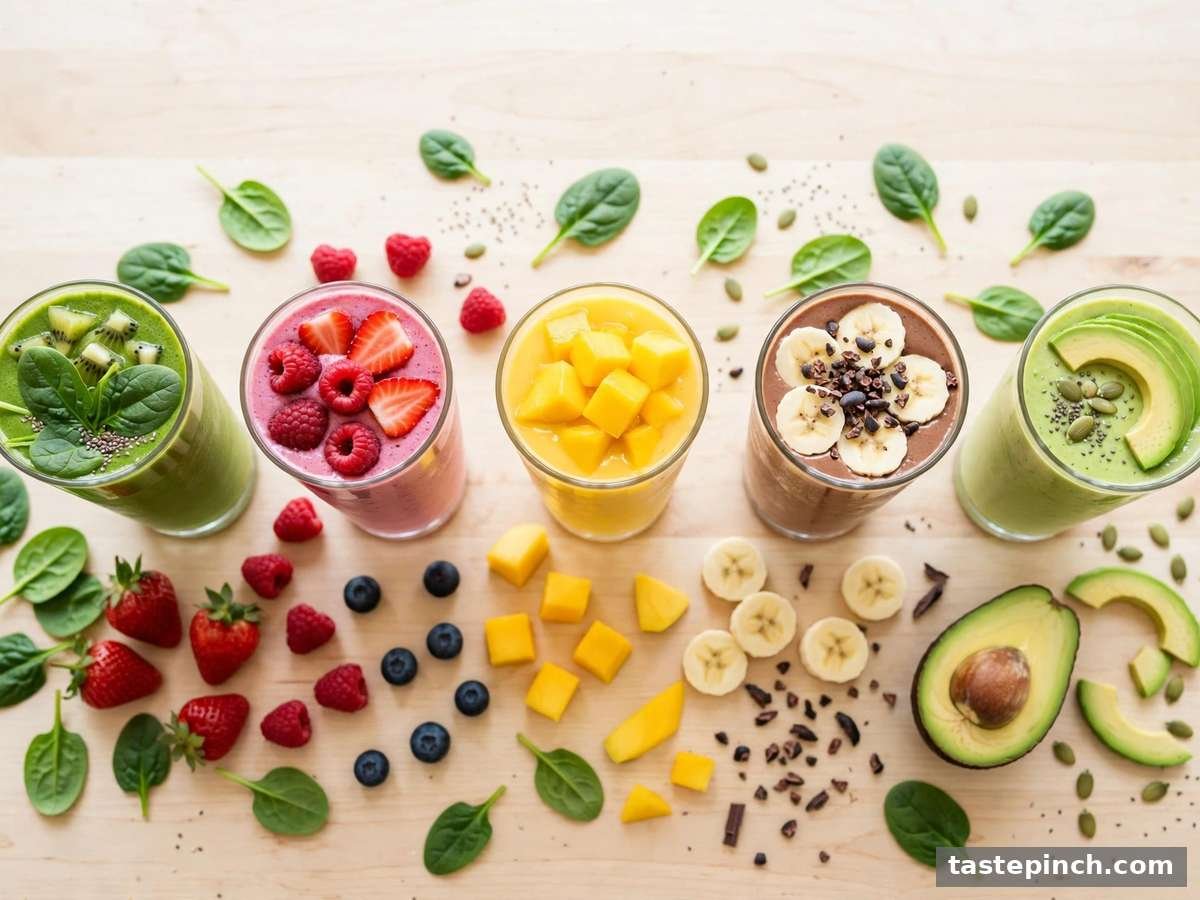
5 Low-Calorie Smoothie Recipes for Weight Loss
These five easy smoothie recipes use whole fruits, vegetables, and unsweetened liquids. Each recipe makes one serving, with estimated calories based on the ingredient quantities listed.
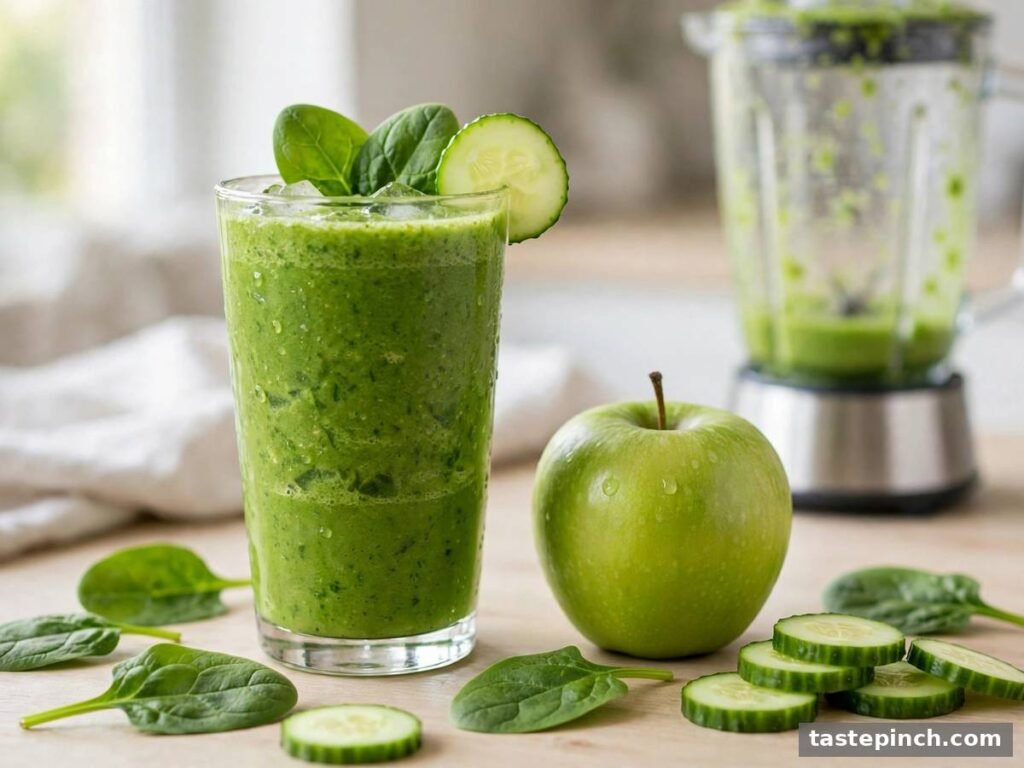
1. Green Detox Smoothie
Estimated nutrition: 122 calories per serving
This refreshing green smoothie combines spinach, cucumber, green apple, and lemon. It has a naturally crisp flavor without added sweeteners.
Ingredients: 1 cup fresh baby spinach (30 g); 1 cup chopped cucumber (100 g); 1 medium green apple, cored and chopped (about 180 g); 1 tablespoon fresh lemon juice; ½ cup cold water; ½ cup ice cubes
Instructions: Wash the spinach, cucumber, and green apple thoroughly. Remove the apple core and cut the apple into smaller pieces. Add spinach, cucumber, apple, lemon juice, and water to a blender. Blend until smooth and creamy. Add ice and blend again until chilled. Pour into a glass and serve immediately.
122 calories per serving
Why you’ll like it: Spinach and cucumber provide volume, while green apple adds natural sweetness. Lemon gives the drink a refreshing finish.
2. Berry Blast Smoothie
Estimated nutrition: 159 calories per serving
This berry smoothie combines naturally sweet berries with plain nonfat Greek yogurt. It’s a simple option when you want fruit flavor with additional protein.
Ingredients: ½ cup strawberries (75 g); ¼ cup blueberries (37 g); ¼ cup raspberries (31 g); ¾ cup plain nonfat Greek yogurt (170 g); ¼ cup cold water; ½ cup ice cubes
Instructions: Wash the fresh berries or use unsweetened frozen berries. Add strawberries, blueberries, and raspberries to your blender. Add plain nonfat Greek yogurt and cold water. Blend until the mixture becomes smooth. Add ice and blend again. Serve immediately in a chilled glass.
159 calories per serving
Why you’ll like it: Berries provide fiber and naturally occurring plant compounds. Greek yogurt adds protein, making this smoothie more satisfying than a fruit-only blend.

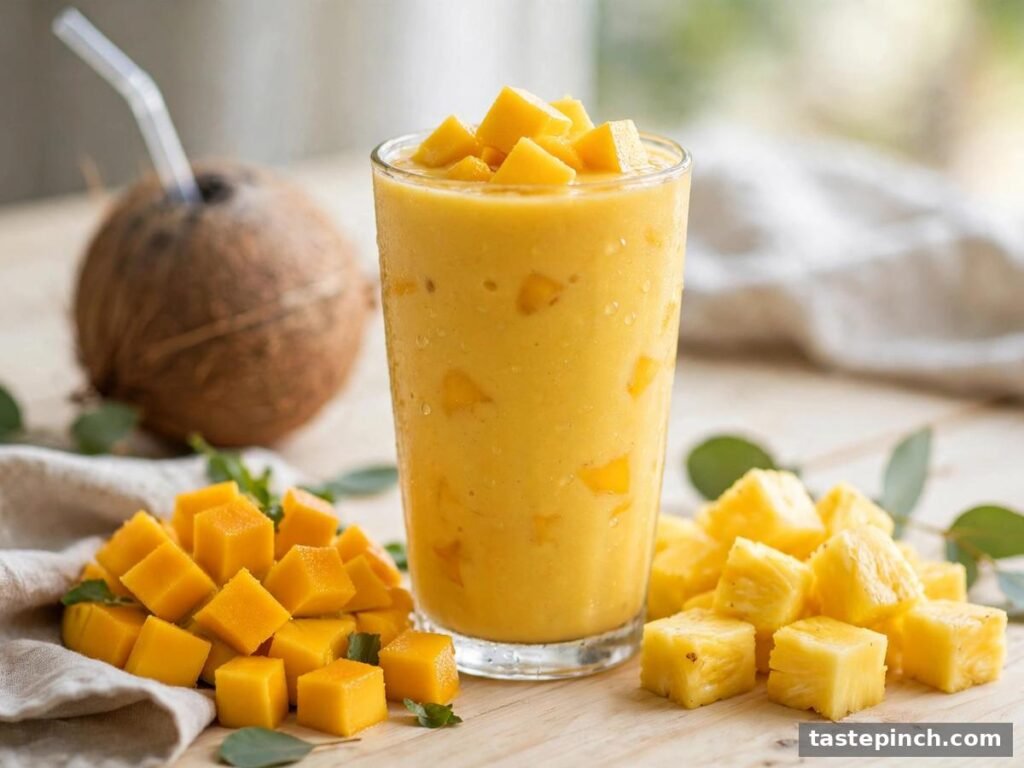
3. Tropical Mango Smoothie
Estimated nutrition: 137 calories per serving
Enjoy tropical flavors with this mango and pineapple smoothie. Unsweetened coconut water creates a light, refreshing base without adding syrup or honey.
Ingredients: ½ cup fresh or frozen mango chunks (83 g); ½ cup fresh or frozen pineapple chunks (82 g); 1 cup unsweetened coconut water (240 ml); ½ cup ice cubes; 1 teaspoon fresh lime juice (optional)
Instructions: Peel and chop fresh mango and pineapple if needed. Add mango, pineapple, and coconut water to a blender. Add lime juice for a slightly tangy flavor. Blend until completely smooth. Add ice and blend again. Pour into a glass and enjoy cold.
137 calories per serving
Why you’ll like it: Mango and pineapple provide natural sweetness, while coconut water adds a light tropical flavor. Both fruits contain naturally occurring sugars, so portion size still matters.
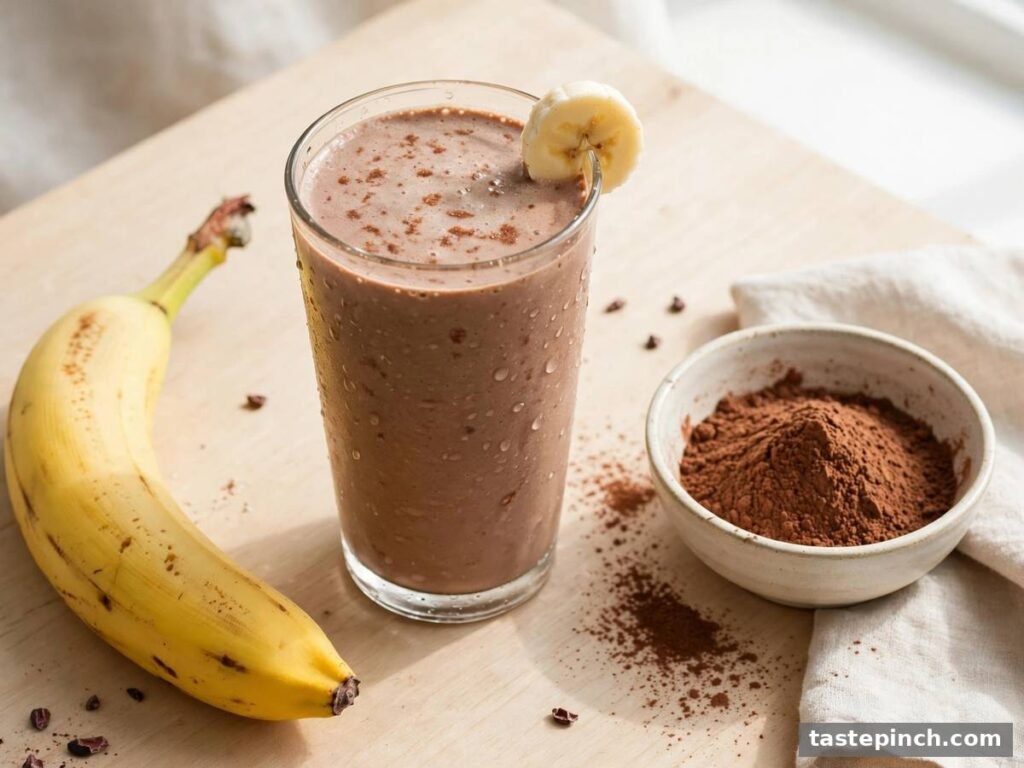
4. Chocolate Banana Smoothie
Estimated nutrition: 197 calories per serving
This chocolate banana smoothie is a satisfying choice when you’re craving something sweet. Unsweetened cocoa provides chocolate flavor, while peanut butter powder adds a little extra protein.
Ingredients: 1 medium ripe banana (118 g); 1 tablespoon unsweetened cocoa powder (5 g); 1 cup unsweetened almond milk (240 ml); 2 tablespoons powdered peanut butter (about 12 g, check package calories); ½ cup ice cubes; ¼ teaspoon vanilla extract (optional)
Instructions: Peel the banana and break it into smaller pieces. Add banana, cocoa powder, and powdered peanut butter to a blender. Pour in unsweetened almond milk. Add vanilla extract if desired. Blend until smooth and creamy. Add ice and blend again before serving.
197 calories per serving
Why you’ll like it: Banana adds natural sweetness, while unsweetened cocoa gives the smoothie a rich chocolate taste. Powdered peanut butter keeps the calorie count lower than using a larger amount of regular peanut butter.
Ingredient note: The calorie estimate assumes a powdered peanut butter containing approximately 50 calories per two tablespoons. Check your product label.
5. Creamy Avocado Smoothie
Estimated nutrition: 170 calories per serving
This creamy avocado smoothie combines healthy fats with fruit and leafy greens. Banana provides natural sweetness, while avocado creates a smooth texture.
Ingredients: ¼ medium avocado (50 g); 1 cup fresh spinach (30 g); ½ medium banana (59 g); 1 cup unsweetened almond milk (240 ml); ½ cup ice cubes
Instructions: Cut the avocado and remove its pit and skin. Peel the banana and slice it into smaller pieces. Add avocado, spinach, and banana to a blender. Pour in unsweetened almond milk. Blend until smooth and creamy. Add ice and blend again. Serve immediately for the best texture.
170 calories per serving
Why you’ll like it: Avocado provides unsaturated fats, while spinach contributes vitamins and minerals. Banana balances the earthy vegetable flavor with natural sweetness.

Smoothie Calories at a Glance
Green Detox Smoothie — 122 kcal; Berry Blast Smoothie — 159 kcal; Tropical Mango Smoothie — 137 kcal; Chocolate Banana Smoothie — 197 kcal; Creamy Avocado Smoothie — 170 kcal
Nutrition estimates are rounded and depend on produce size, ingredient brands, and measurements. Water and ice contribute negligible calories. Check product labels for the most accurate totals.
Tips for Low-Calorie Smoothies
Choose Frozen Fruits Without Added Sugar — Frozen berries, mango, and pineapple create a thick texture without requiring extra ingredients. Choose unsweetened frozen fruit rather than fruit packed in syrup.
Use Water Instead of Fruit Juice — Fruit juice can add calories and concentrated natural sugars without providing the same fiber as whole fruit. Water is an easy zero-calorie base. Unsweetened almond milk is another option when you want a creamier texture.
Add Leafy Greens — Spinach and kale provide nutrients while adding relatively few calories. Start with a small handful if you’re new to green smoothies. You can gradually increase the amount as you become accustomed to the taste.
Measure High-Calorie Ingredients — Nut butters, avocado, chia seeds, and coconut products can make smoothies more calorie-dense. They can still be nutritious additions, but measure them rather than pouring freely. For example: Peanut butter: approximately 95 calories per tablespoon. Avocado: approximately 80 calories per 50 grams. Chia seeds: approximately 60–70 calories per tablespoon. These values are approximate and vary slightly by serving size.
Avoid Hidden Added Sugars — Smoothies can become high-sugar drinks when you add flavored yogurt, honey, sweetened almond milk, syrups, or juice concentrates. Read ingredient labels carefully. Choose plain yogurt and unsweetened milk alternatives.
Keep Your Serving Size Reasonable — A large smoothie can contain twice the calories of a smaller serving. Use a measuring cup and calculate calories based on the complete recipe, not just one ingredient.
Include Protein and Fiber — Protein and fiber can help support fullness between meals. Consider plain Greek yogurt, unsweetened soy milk, spinach, berries, or other whole-food ingredients. A balanced combination is generally more satisfying than blending several fruits with water alone.
Smoothies as Meal Replacements?
Can a low-calorie smoothie replace breakfast or lunch? Not necessarily.
A simple fruit-and-vegetable smoothie may provide vitamins, minerals, and some fiber, but it usually doesn’t contain enough protein, healthy fats, and overall energy to qualify as a balanced meal.
If you want to use a smoothie as a meal replacement, consider including: Protein — plain Greek yogurt, unsweetened soy milk, or an appropriate protein source. Healthy fats — avocado, chia seeds, or a measured portion of nut butter. Fiber — whole fruits, vegetables, and seeds. Adequate calories — enough energy to suit your individual nutritional requirements.
For example, adding Greek yogurt, chia seeds, and a small amount of avocado can improve a basic fruit smoothie.
However, adding ingredients also increases its calorie content. A smoothie should be planned according to your nutritional needs rather than simply aiming for the lowest possible calorie count.
Important: A smoothie alone isn’t automatically a balanced meal. If you plan to regularly replace meals with smoothies, discuss your nutritional requirements with a registered dietitian or healthcare professional.
Frequently Asked Questions
1. Are Low-Calorie Smoothies Good for Weight Loss? — They can be useful as part of a balanced eating plan. A smoothie made with whole fruits, vegetables, and unsweetened liquids can replace a higher-calorie snack or drink. However, smoothies don’t cause weight loss independently.
2. What Is the Lowest-Calorie Fruit for Smoothies? — Strawberries, watermelon, raspberries, and cantaloupe are relatively low in calories compared with many other fruits. They provide natural sweetness and can add flavor without making a smoothie excessively calorie-dense.
3. Can I Drink a Smoothie Every Day? — Yes, many people can enjoy a smoothie daily as part of a varied diet. Choose different fruits and vegetables, watch portion sizes, and include suitable protein sources. Your overall dietary needs matter more than following a particular smoothie schedule.
4. Should I Use Milk or Water in a Weight-Loss Smoothie? — Both options can work. Water adds virtually no calories, making it useful for lighter smoothies. Unsweetened almond milk creates a creamier texture with relatively few calories. Unsweetened soy milk provides more protein.
5. Are Fruit Smoothies High in Sugar? — They can be. Whole fruits contain natural sugars, and blending several servings into one drink can increase the total sugar content quickly. Fruit juice, honey, syrups, and sweetened yogurt can add even more sugar. Use measured portions and whole fruits.
6. Can I Drink a Smoothie Instead of Breakfast? — A basic fruit smoothie isn’t necessarily a complete breakfast. If you’re using one as a meal, include sufficient protein, healthy fats, fiber, and energy. Consider your individual needs and consult a healthcare professional if you’re unsure how to plan balanced meals.
Conclusion
Low calorie smoothies for weight loss can be convenient, refreshing additions to a balanced diet. These five recipes offer different combinations of fruits, vegetables, protein, and healthy fats without added sugar.
Choose the smoothie that matches your taste, measure your ingredients, and pay attention to serving sizes. Remember, no individual drink guarantees weight loss. Consistent eating habits and an overall balanced lifestyle matter much more.
For light, hydrating options between smoothies, try these best infused water recipes for weight loss.
More from TastePinch
If you enjoy healthy drinks and simple wellness recipes, explore these related TastePinch posts:
- Chia Water for Weight Loss
- Pink Salt Recipe for Weight Loss
- Lemon Water 7 Day Challenge
- Natural GLP-1 Drink
- Pomegranate Weight Loss
Green Detox Smoothie
Ingredients
Equipment
Method
- Wash the spinach, cucumber, and green apple.
- Remove the apple core and chop the apple into smaller pieces.
- Add spinach, cucumber, green apple, lemon juice, and water to a blender.
- Blend until smooth.
- Add ice cubes and blend again until chilled.
- Pour into a glass and serve immediately.
Notes

Dana Whitfield is a recipe developer and food writer with a love for bold flavors and creative drinks. From restaurant copycat recipes to handcrafted cocktails like the Pistachio Martini and Blackberry Margarita, Dana believes great food should be approachable — no culinary school required. She’s spent years testing and perfecting recipes across cuisines, specialty diets, and everything in between. TastePinch is her corner of the internet where every pinch of flavor tells a story.