

Oatzempic is a viral TikTok drink made with rolled oats, water, and lime juice. Despite its name, it’s NOT Ozempic, doesn’t contain semaglutide, and has NO scientifically proven weight-loss effect. Unlike the prescription medication, this homemade oat drink doesn’t directly activate GLP-1 receptors or produce the same biological effects. Its main nutritional component is fiber from oats, which may help you feel full. However, feeling full doesn’t automatically mean losing body fat, and replacing balanced meals with this low-protein drink can leave nutritional gaps.
Before trying the popular Oatzempic recipe, it’s important to understand its ingredients, nutritional value, limitations, and potential risks. This guide explains how to prepare the drink as an ordinary beverage while separating established nutrition facts from misleading social media claims.
Medical disclaimer: This article provides general food and nutrition information, not medical advice. Oatzempic isn’t a medicine, weight-loss treatment, or substitute for prescribed medication. Speak with a qualified healthcare professional before making significant dietary changes, particularly if you have an existing medical condition.
What Is Oatzempic?
Oatzempic is a blended oat beverage that became popular through TikTok videos and social media weight-loss challenges. Its name combines the word “oat” with a reference to Ozempic, a prescription medication containing semaglutide.
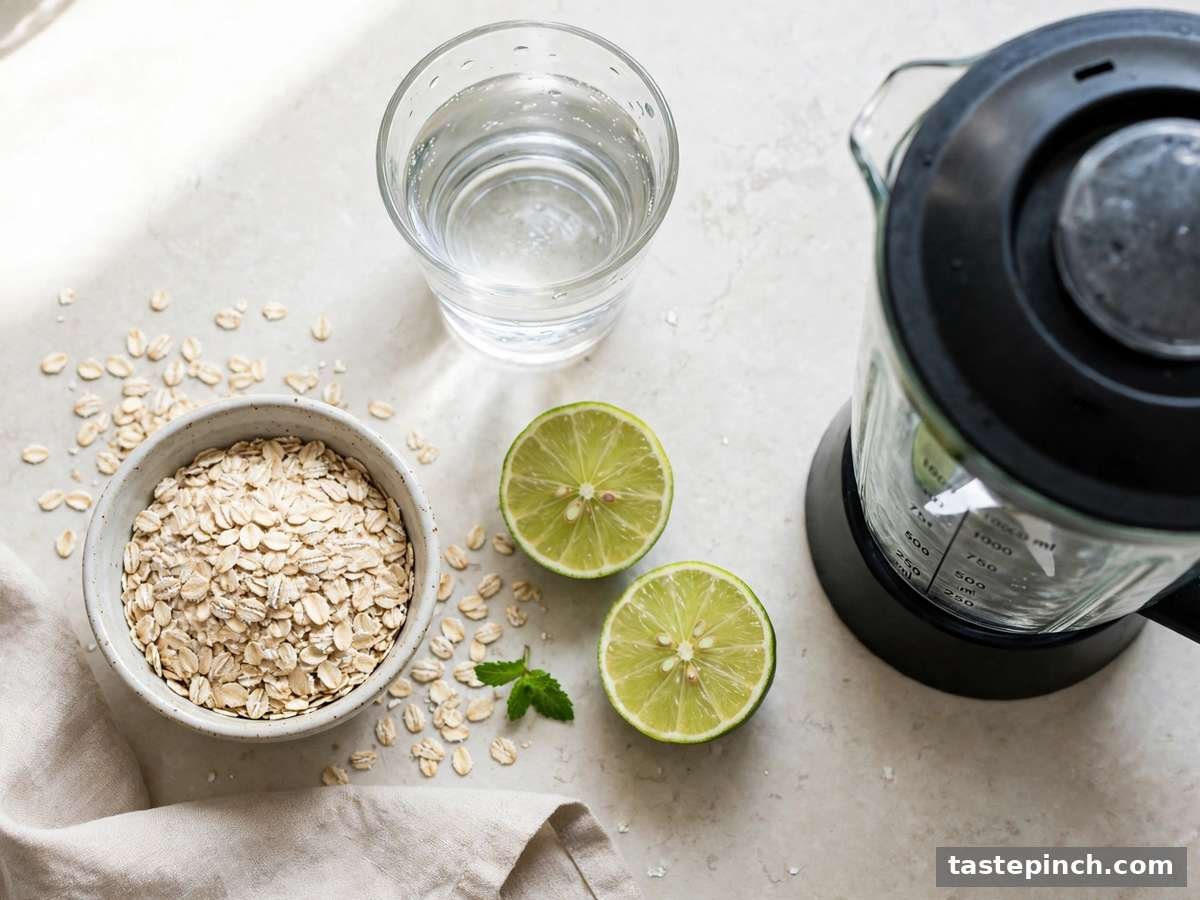
The traditional viral recipe uses three simple ingredients: Rolled oats; Water; Fresh lime juice.
Some versions include cinnamon, lemon juice, or other additions. However, the basic preparation doesn’t require these extras.
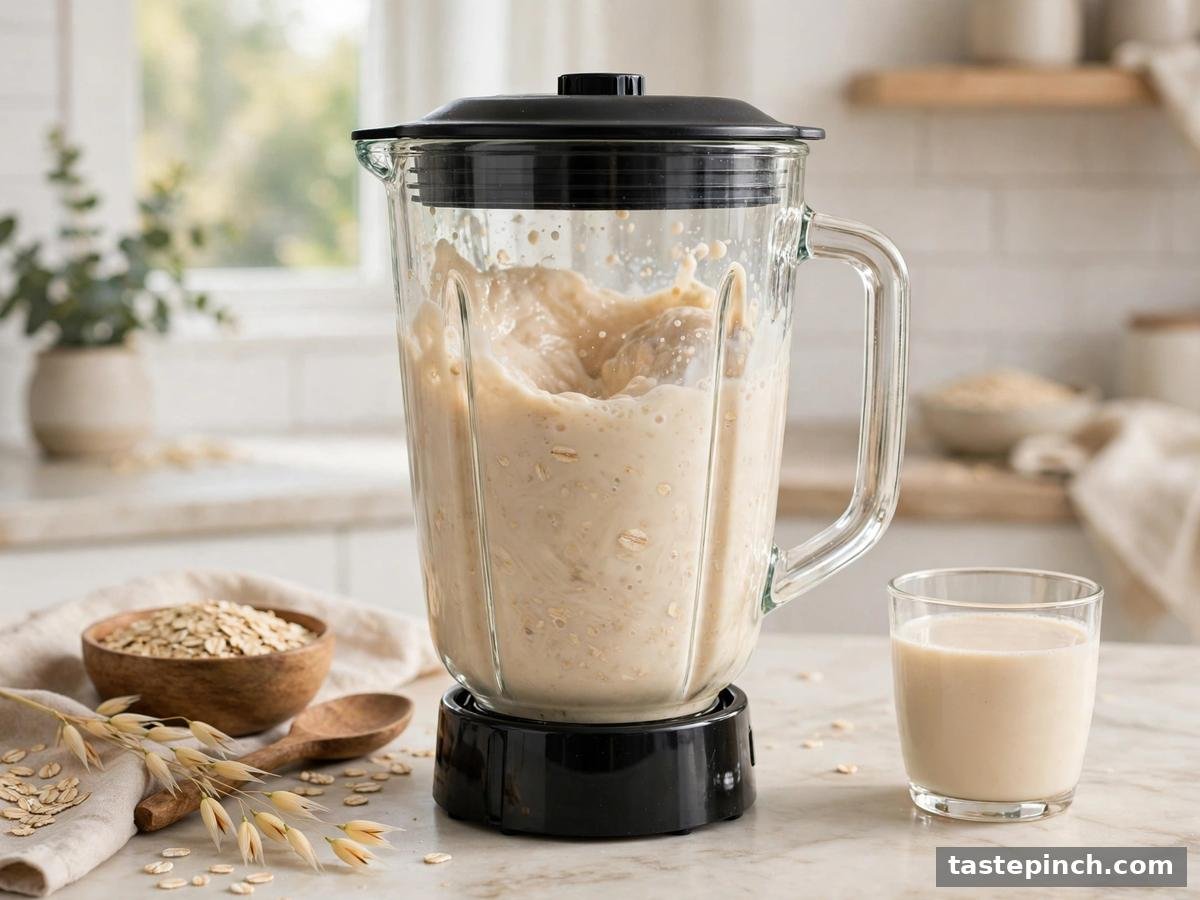
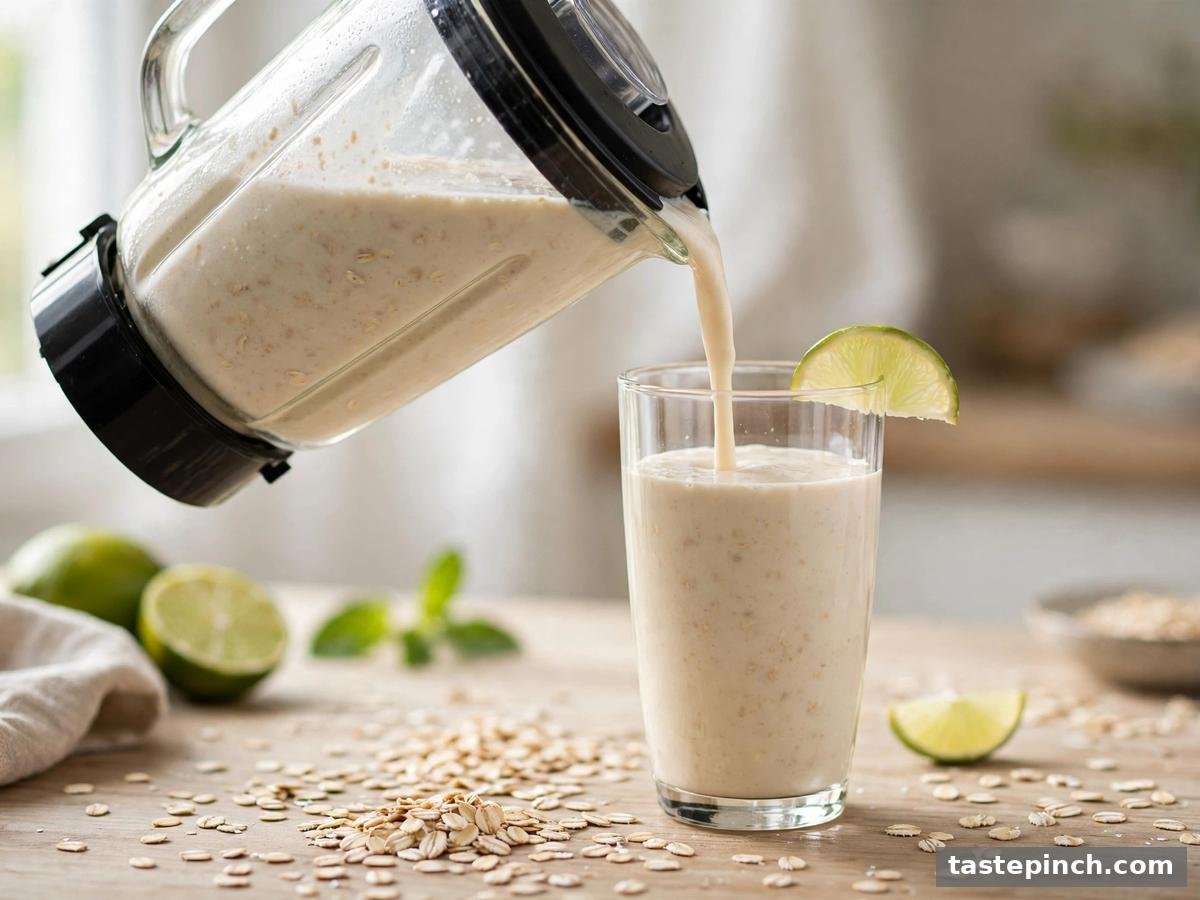
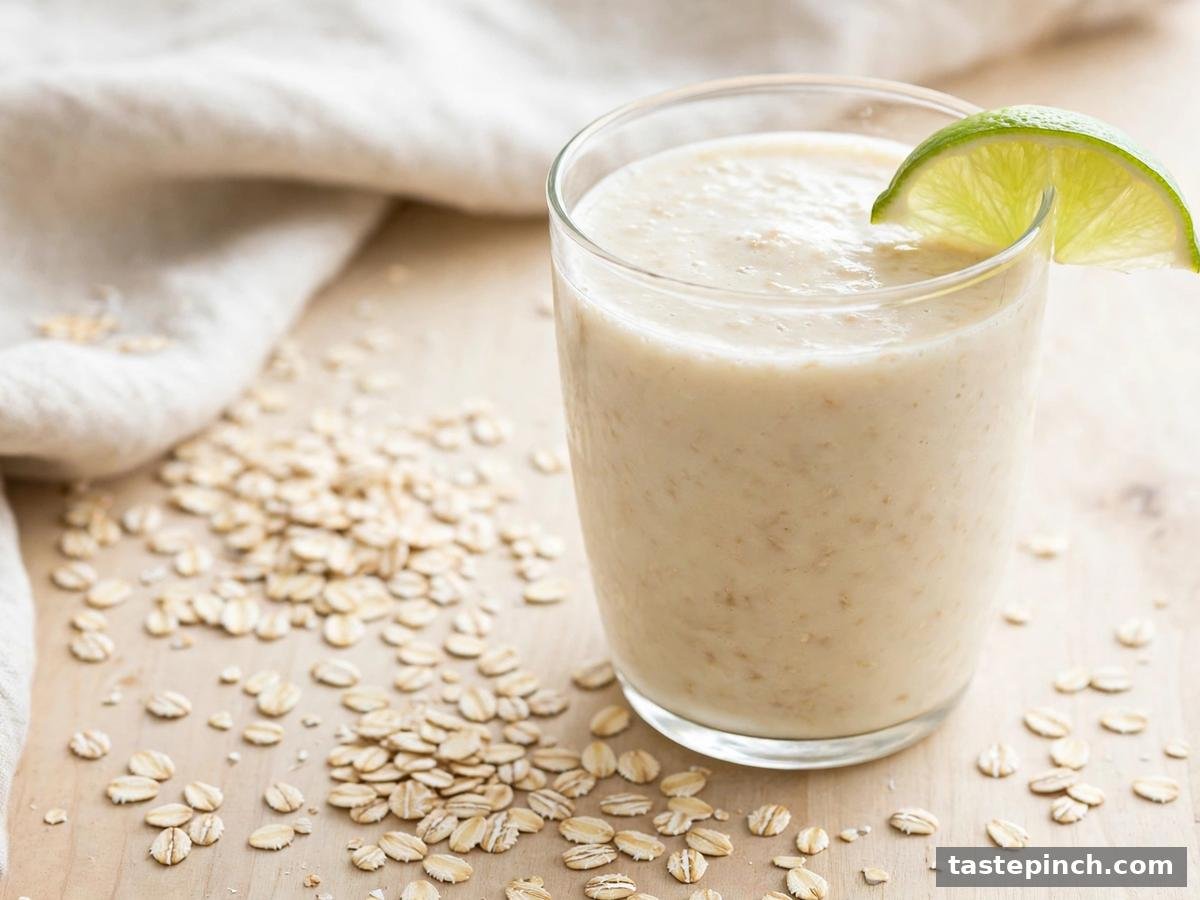
People typically blend the ingredients until they form a smooth, slightly thick drink. The resulting beverage tastes like a mild, tangy oatmeal smoothie.
The trend became popular because some social media creators claimed that drinking it regularly could produce dramatic weight changes. Those claims aren’t supported by clinical evidence.
The important distinction: Oatzempic is simply an oat-based drink. Its name doesn’t mean it contains semaglutide or has the same effects as prescription GLP-1 medications.
How Does Oatzempic Work?
The drink doesn’t activate GLP-1 receptors in the same way as semaglutide. It also doesn’t reproduce the medication’s appetite-regulating effects.
Instead, its main nutritional component is dietary fiber.
Oats contain beta-glucan, a type of soluble fiber that absorbs water and forms a gel-like substance during digestion. This can slow digestion and contribute to feelings of fullness.
That effect isn’t unique to Oatzempic. You can obtain oat fiber by eating ordinary oatmeal, overnight oats, or other foods containing oats.
It’s also important to distinguish between feeling full and losing body fat. Feeling satisfied after eating doesn’t automatically produce weight loss.
If someone replaces a regular breakfast with this approximately 150-calorie drink, their overall calorie intake might decrease. Any resulting weight change would relate to the calorie deficit, not a special Ozempic-like effect.
Oatzempic Benefits
Although the viral claims go too far, the ingredients have ordinary nutritional value. Understanding those benefits helps explain why oats can be part of a balanced eating pattern.
- Provides dietary fiber — Rolled oats contain soluble and insoluble fiber. Beta-glucan is particularly well known for its role in supporting digestive health and helping maintain healthy cholesterol levels.
- May help you feel satisfied — Fiber absorbs water and increases the volume of food in your digestive system. This may help some people feel satisfied after eating. However, individual responses vary, and the drink isn’t a clinically established appetite suppressant.
- Uses simple pantry ingredients — You don’t need expensive powders, specialty supplements, or complicated preparation methods. Rolled oats, water, and fresh lime are enough.
- Offers an alternative way to enjoy oats — If you don’t enjoy traditional oatmeal, blending oats into a drink provides another way to include this whole grain in your diet.
These are general food-related benefits, not evidence that the recipe treats obesity or produces a particular amount of weight loss.
Risks and Limitations
The biggest concern with the Oatzempic trend isn’t necessarily the ingredients. It’s the way people use the drink.
Treating a low-protein beverage as a complete meal replacement can create nutritional problems, particularly when repeated regularly.
Here are the main limitations to understand.
Low protein content: A basic serving contains relatively little protein. Protein supports muscle maintenance, tissue repair, and normal body functions. Oats alone don’t provide the protein balance of a complete meal.
Limited healthy fats: The basic recipe contains very little fat. Healthy dietary fats support nutrient absorption and several important body functions.
Missing essential nutrients: Oats provide some vitamins and minerals, but this drink doesn’t offer the nutritional variety of a balanced meal containing protein, vegetables, fruits, and healthy fats.
Digestive discomfort: Suddenly increasing fiber intake can cause bloating, gas, cramps, or changes in bowel movements. People who aren’t accustomed to fiber-rich foods should increase their intake gradually.
Risk of undereating: Replacing regular meals with a low-calorie drink may leave you without enough energy and nutrients. This is especially concerning when combined with restrictive eating habits.
People with oat allergies should avoid the drink. Those with celiac disease should check product labels and choose certified gluten-free oats to reduce the risk of gluten cross-contact.
If you have a digestive condition or follow a medically prescribed diet, ask your healthcare professional whether this drink is appropriate.
How Oatzempic Compares to Ozempic
Despite their similar names, these two things are fundamentally different.
Ozempic contains semaglutide, a prescription medication that acts as a GLP-1 receptor agonist. It is used to improve blood sugar management in adults with type 2 diabetes.
Semaglutide works through specific biological pathways involved in blood glucose regulation, appetite, and digestion.
Oatzempic contains no semaglutide. It doesn’t directly activate GLP-1 receptors like the medication, and there are no clinical studies establishing it as a weight-loss treatment.
Comparison:
- Main ingredient: Oatzempic — Rolled oats; Ozempic — Semaglutide
- Type: Oatzempic — Homemade oat drink; Ozempic — Prescription medication
- Contains GLP-1 medication: Oatzempic — No; Ozempic — Yes
- Direct GLP-1 receptor action: Oatzempic — No; Ozempic — Yes
- Proven weight-loss treatment: Oatzempic — No; Ozempic — Not its primary FDA-approved indication
- Preparation: Oatzempic — Blend ingredients; Ozempic — Use prescribed injection
- Medical supervision: Oatzempic — Not medication; Ozempic — Required
Never replace prescribed medication with a homemade drink. If you’re taking semaglutide or another prescription medication, discuss treatment changes with your healthcare provider.
How Many Calories Are in Oatzempic?
A typical serving made with half a cup of rolled oats, one cup of water, and lime juice contains approximately 150 calories.
The actual amount depends on the oat brand, measuring method, and quantity of lime juice.
Most calories come from the oats because water contributes no calories and lime juice adds relatively little.
The drink also provides carbohydrates and dietary fiber, along with a modest amount of plant-based protein.
However, calories alone don’t determine whether something makes a nutritious meal.
A balanced meal generally needs a combination of protein, carbohydrates, healthy fats, and essential micronutrients. The basic Oatzempic drink doesn’t provide that complete nutritional balance.
For this reason, don’t assume that a 150-calorie beverage is an appropriate replacement for breakfast, lunch, or dinner.
What Are the Nutritional Benefits of Oats?
Oats are a whole grain that can fit into many different eating patterns. They’re affordable, versatile, and easy to prepare.
Their most notable nutritional component is beta-glucan, a soluble fiber associated with digestive and heart-health benefits.
You can learn more about this grain on the Wikipedia page for Oat.
Rolled oats also provide carbohydrates that supply energy, along with small amounts of protein, iron, magnesium, and other nutrients.
One advantage of eating oats as part of a complete meal is that you can combine them with other nutritious ingredients.
For example, oatmeal topped with Greek yogurt, berries, and nuts provides a broader nutritional combination than oats blended with water alone.
You can also prepare overnight oats with milk, chia seeds, and fruit for a convenient breakfast.
Remember, the nutritional value of oats doesn’t make every oat-based drink a complete meal.
Oatzempic Alternatives
If you’re interested in enjoying oats without following a restrictive social media trend, several everyday options offer more nutritional variety.
Traditional oatmeal: Cook rolled oats with milk or water. Add berries, nuts, or Greek yogurt for additional nutrients.
Overnight oats: Combine oats with milk or yogurt and refrigerate overnight. Add fresh fruit before serving.
Oat smoothie: Blend oats with milk, banana, and unsweetened nut butter. This creates a more substantial beverage. For another blended drink idea, see our Natural GLP-1 Drink.
Greek yogurt oat bowl: Combine plain Greek yogurt, rolled oats, berries, and seeds for a convenient breakfast.
These options allow you to enjoy the fiber and versatility of oats while including other food groups.
You don’t need to follow a viral drink challenge to benefit from ordinary nutritious foods.
Frequently Asked Questions About Oatzempic
What is the Oatzempic recipe made of?
The basic Oatzempic recipe contains half a cup of rolled oats, one cup of water, and fresh lime juice. Blend everything until smooth. Some social media versions also include cinnamon, but it’s optional.
Does Oatzempic actually work?
There is no scientific evidence that Oatzempic produces weight loss or works like Ozempic. Oats contain fiber that may help with fullness, but the drink itself hasn’t been clinically established as an effective weight-loss method.
Is Oatzempic safe to drink every day?
The basic ingredients are ordinary foods that many people can enjoy. However, drinking it daily as a replacement for balanced meals isn’t recommended. Repeated meal replacement could lead to inadequate protein and nutrient intake.
Can Oatzempic replace Ozempic?
No. Oatzempic is a homemade oat drink, while Ozempic is a prescription medication containing semaglutide. They have entirely different compositions and biological effects. Never stop or replace prescribed treatment without medical guidance.
How many calories does Oatzempic contain?
A typical serving contains approximately 150 calories, depending on the quantity and brand of oats used. Lime juice contributes only a small number of additional calories.
Can I drink Oatzempic on an empty stomach?
Some people consume the drink in the morning, but there’s no scientific evidence that drinking it on an empty stomach provides special health or weight-loss benefits. Choose a breakfast that meets your nutritional needs.
Does Oatzempic contain GLP-1?
No. The recipe doesn’t contain GLP-1 medication or semaglutide. Oats contain beta-glucan fiber, which can support fullness, but that is not equivalent to directly activating GLP-1 receptors with a prescription medication.
Can I add cinnamon to the Oatzempic recipe?
Yes. You can add a small pinch of cinnamon for extra flavor. It’s an optional ingredient, not a necessary part of the basic recipe, and doesn’t turn the drink into a weight-loss treatment.
Final Thoughts
The Oatzempic recipe is a simple way to prepare a blended oat drink using three everyday ingredients. Rolled oats provide dietary fiber, and lime adds a refreshing citrus flavor.
However, the viral name creates misleading expectations. This drink isn’t Ozempic, doesn’t work like semaglutide, and has no scientifically proven weight-loss effect.
Enjoy it as an ordinary oat beverage if you like the taste. Avoid using it as a substitute for balanced meals or prescribed treatment.
At TastePinch, our goal is to help readers understand popular food trends without confusing social media claims with established nutrition facts.
More from TastePinch
Explore more recipes and nutrition-related articles:
- TastePinch homepage
- Natural GLP-1 Drink
- Pomegranate Weight Loss
- Pink Salt Recipe for Weight Loss
- Lemon Water 7 Day Challenge
- Hydrogen Water for Weight Loss
Oatzempic Recipe
Ingredients
Method
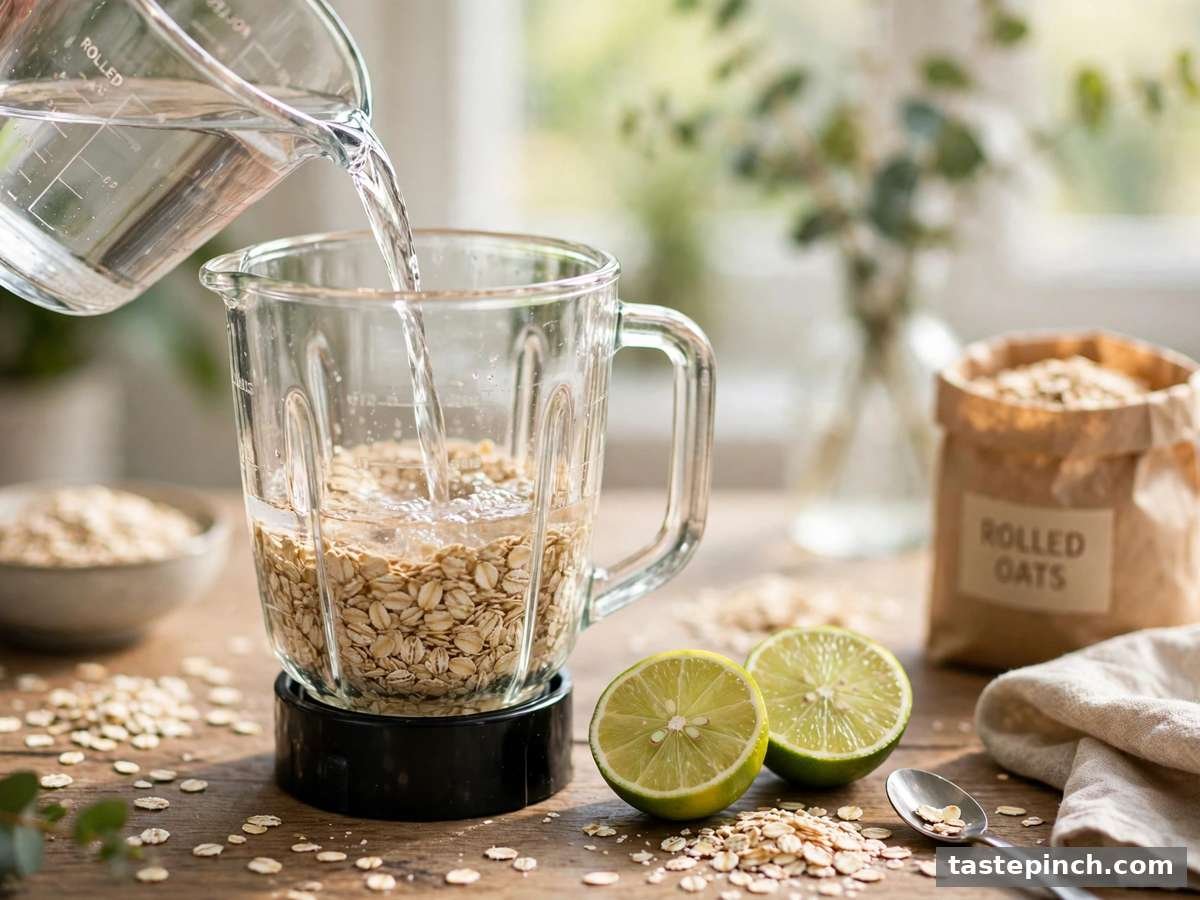
- Add rolled oats and water to a blender.
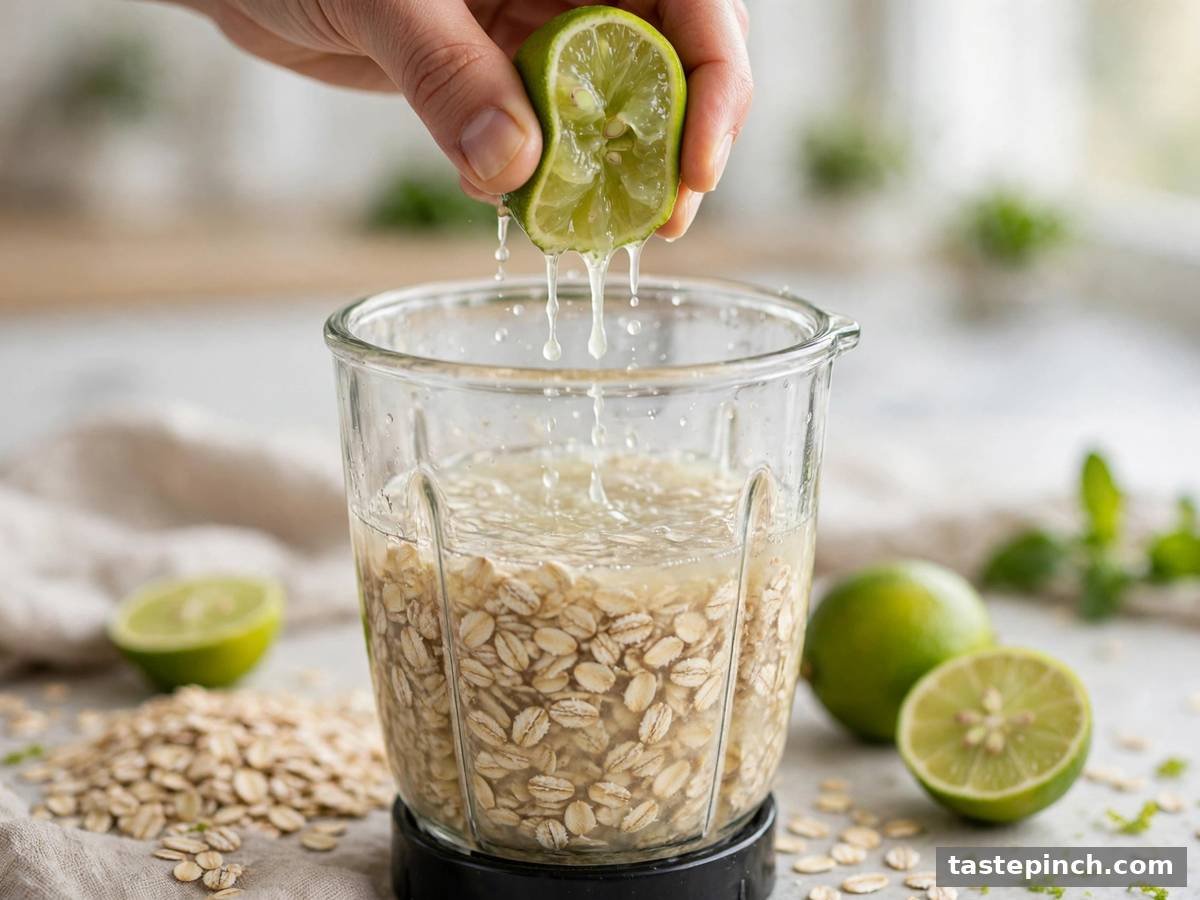
- Squeeze in fresh lime juice.
- Blend until the mixture reaches a smooth consistency.
- Pour into a glass and serve immediately.
Notes

Dana Whitfield is a recipe developer and food writer with a love for bold flavors and creative drinks. From restaurant copycat recipes to handcrafted cocktails like the Pistachio Martini and Blackberry Margarita, Dana believes great food should be approachable — no culinary school required. She’s spent years testing and perfecting recipes across cuisines, specialty diets, and everything in between. TastePinch is her corner of the internet where every pinch of flavor tells a story.