

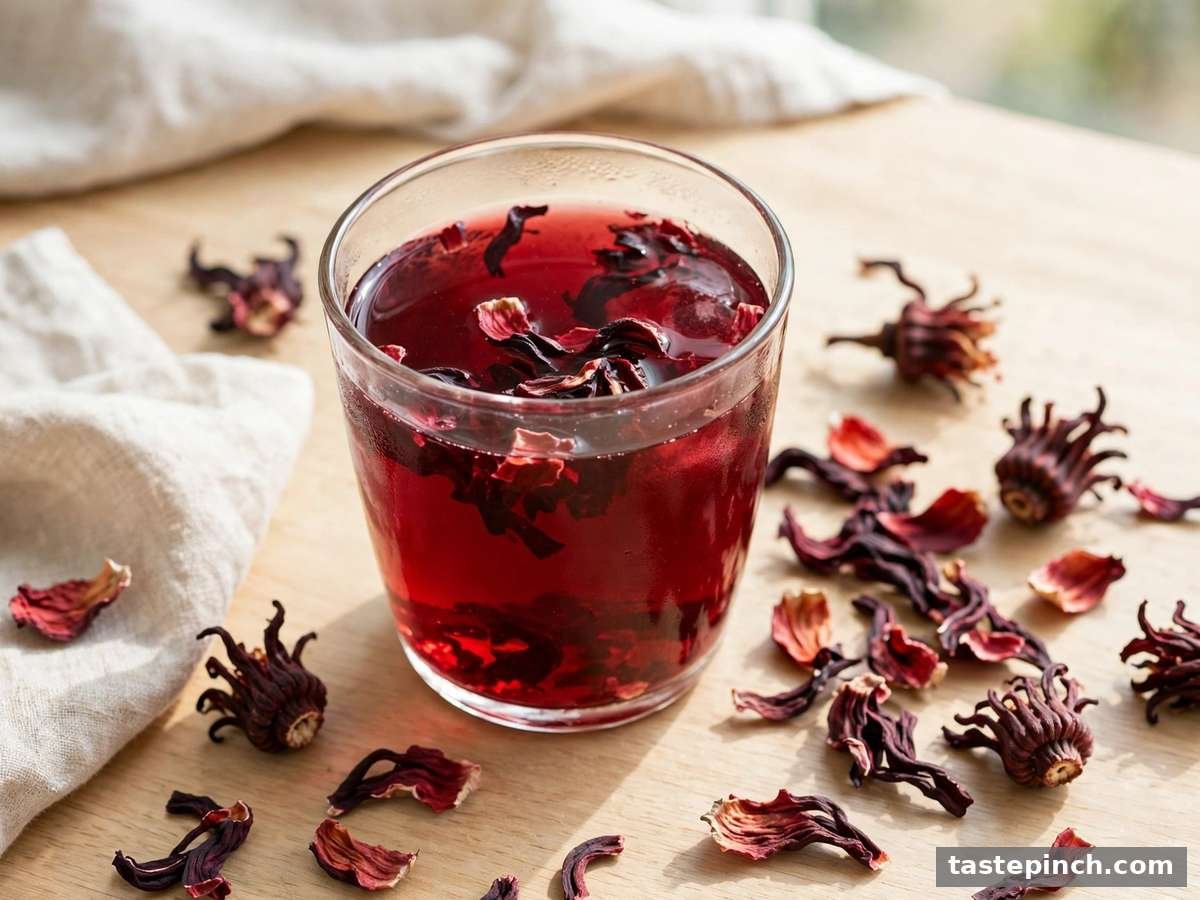
Medical Disclaimer: This article is for general information only and is not medical advice. If you are pregnant or trying to conceive, talk to your doctor or midwife before drinking hibiscus tea or any herbal tea.
Hibiscus tea should be AVOIDED in pregnancy. Most experts advise against drinking hibiscus tea while pregnant because there is no established safe amount, and traditional use suggests it may stimulate the uterus. If you have already had a cup, do not panic — see the section “What to Do If You Already Drank Hibiscus Tea” below and speak to your healthcare provider.
This hibiscus tea pregnancy guide covers the possible risks, hidden sources of hibiscus, and what to do if you have already drunk it.
Hibiscus tea is a tart, ruby-red drink made from the dried petals of the hibiscus flower. It is loved around the world for its bright flavour, deep colour, and refreshing taste. But when you are pregnant, even a familiar herbal tea needs a second look. In this guide, we explain what hibiscus tea is, why it is considered unsafe during pregnancy, what the risks are, and which safer drinks you can enjoy instead.
What Is Hibiscus Tea?
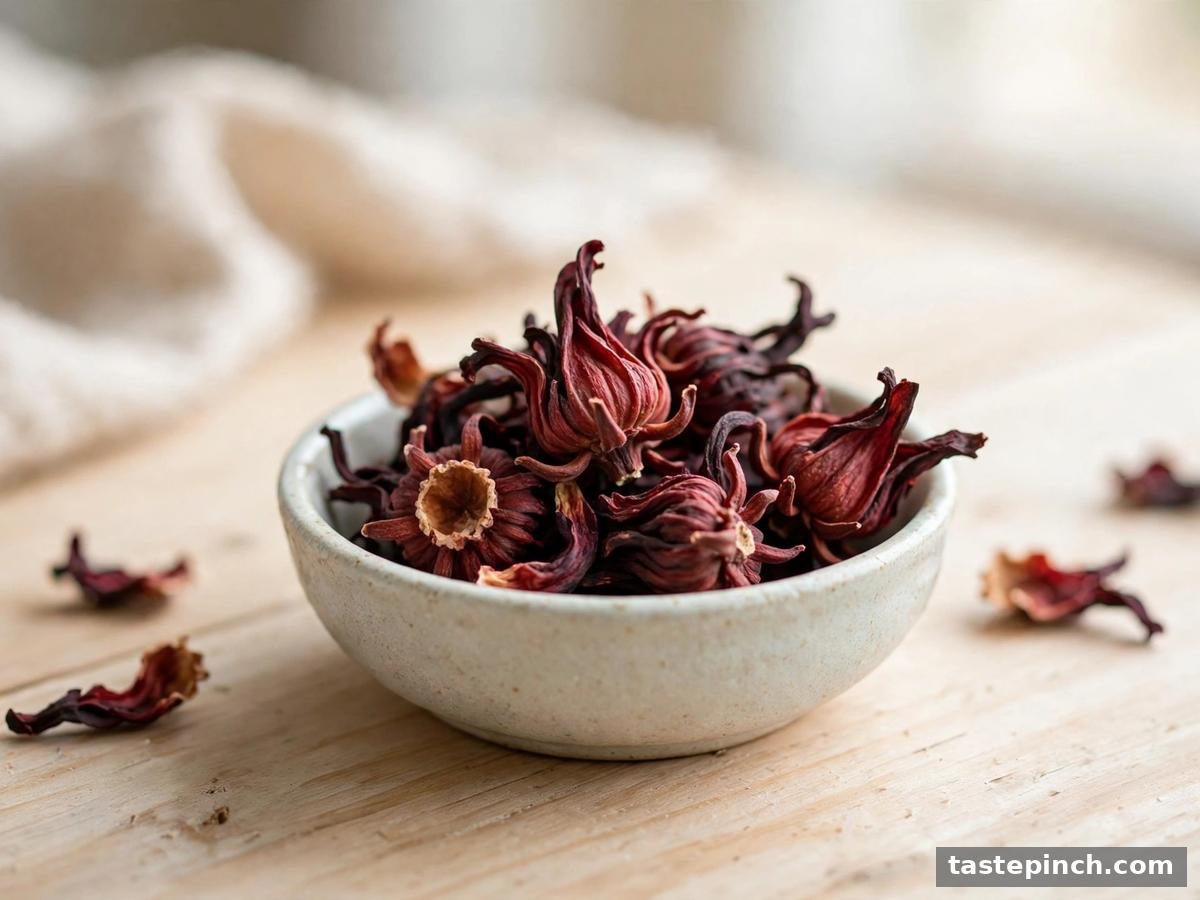
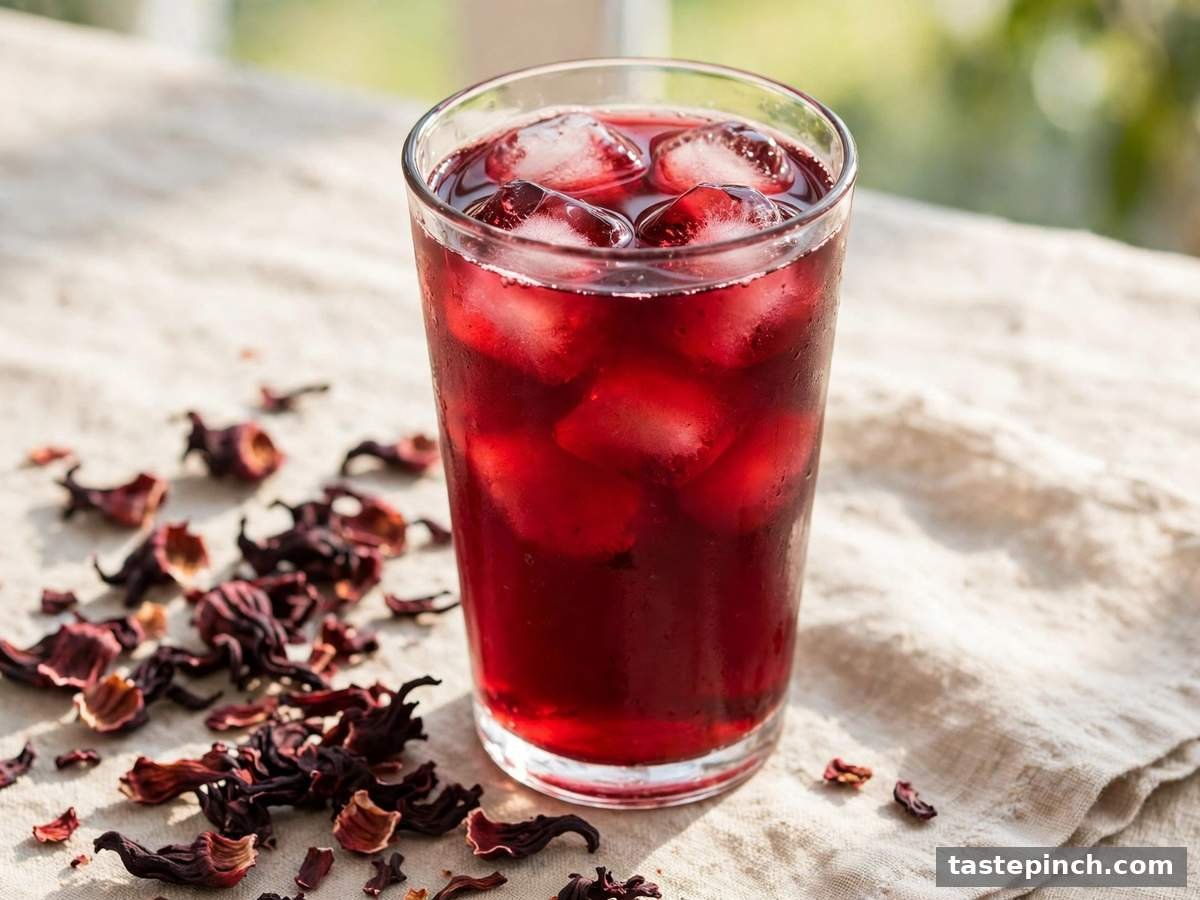
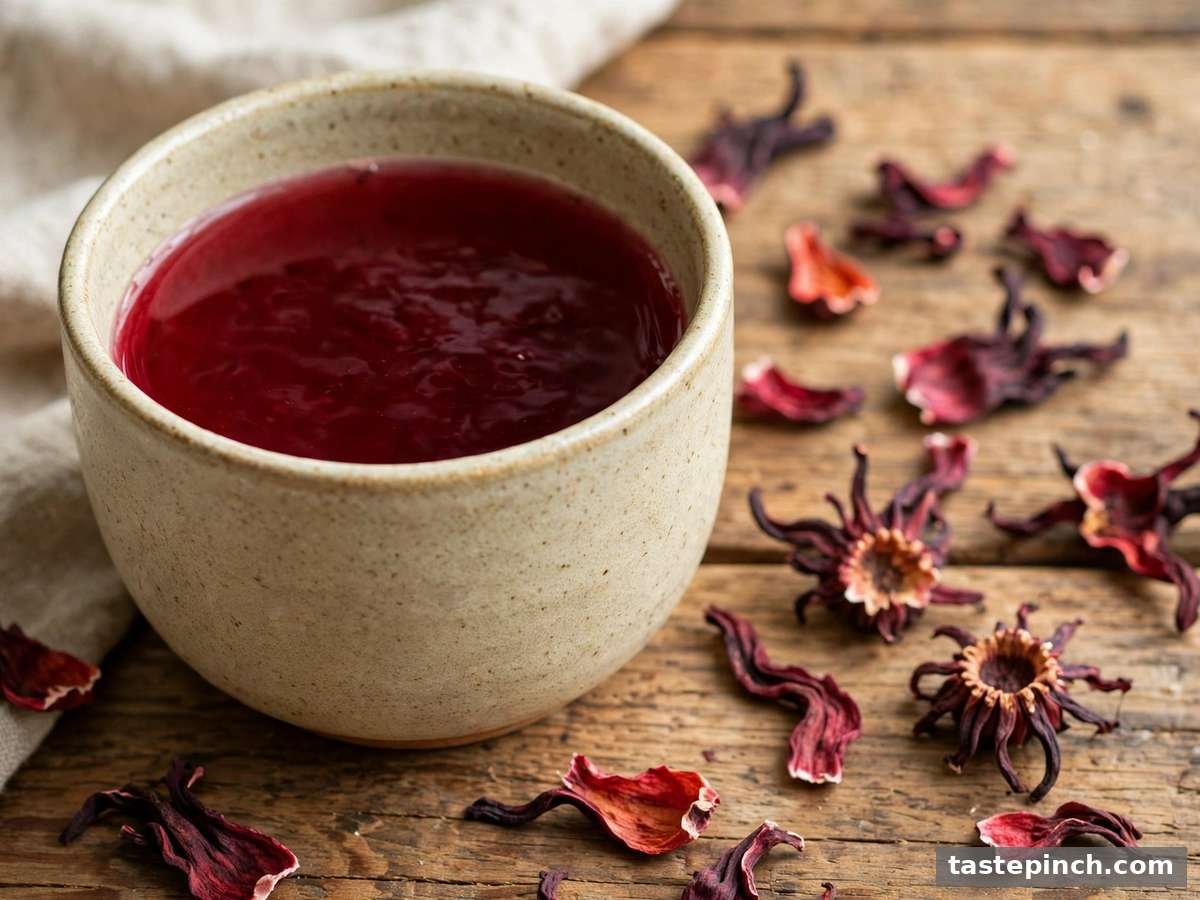
Hibiscus tea is an herbal infusion made by steeping the dried calyces (petals) of the hibiscus flower in hot water. It is naturally caffeine-free and has a tart, cranberry-like flavour. It can be served hot or iced, and it is often sweetened with honey or sugar. For botanical background, see Hibiscus tea on Wikipedia.
The tea is made from Hibiscus sabdariffa, also known as roselle. It is different from true tea, which comes from the Camellia sinensis plant, and it contains no caffeine.
How Is Hibiscus Tea Made?
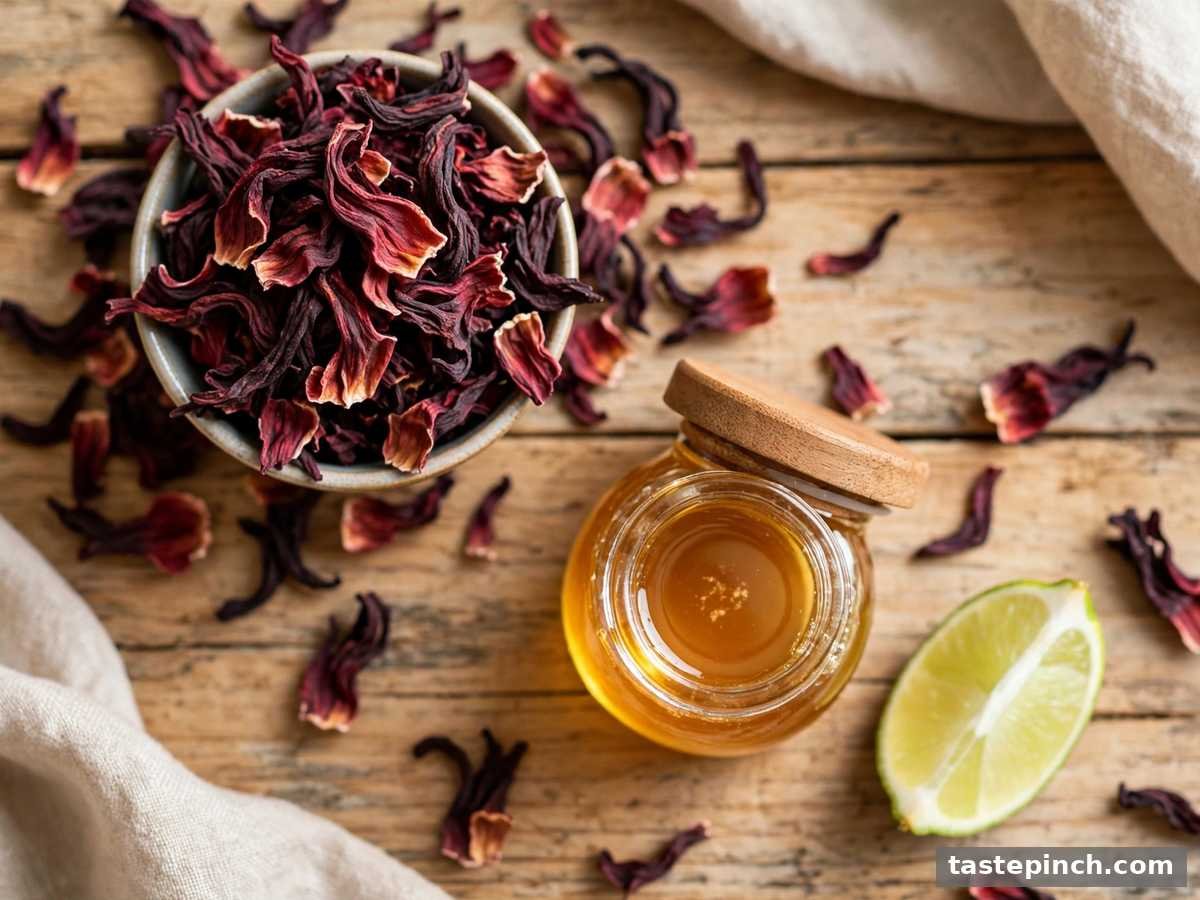
To make hibiscus tea, dried hibiscus petals are steeped in hot water for 5–10 minutes. The longer the petals steep, the stronger and tarter the tea becomes. It can be enjoyed plain or sweetened with honey, sugar, or lime.

Hibiscus Tea Nutrition
Hibiscus tea is low in calories and naturally caffeine-free. It contains vitamin C, iron, and plant compounds called anthocyanins, which give the tea its deep red colour. It also contains small amounts of calcium, magnesium, and potassium.
Hibiscus tea also contains organic acids, flavonoids, and polyphenols. These compounds are linked to the tea’s antioxidant activity, although more research is needed to understand their effects in the human body.
Hibiscus Tea Benefits
Hibiscus tea is often praised for its possible health benefits. Some studies suggest it may help lower blood pressure, support heart health, and provide antioxidants. It may also support liver health and help manage cholesterol levels.
However, most of these studies are small, short-term, or carried out in animals. The benefits of hibiscus tea for people, and especially for pregnant women, are not well established. These possible benefits do not make hibiscus tea safe in pregnancy. For a closer look at what the research actually says, see our guide to hibiscus tea and blood pressure.
Hibiscus Tea Pregnancy: What to Know
Can you drink hibiscus tea while pregnant? This hibiscus tea pregnancy question comes up often, and most experts advise against it. Because there is not enough research on hibiscus tea in pregnancy, the safest choice is to avoid it until after delivery.
This advice applies to hibiscus tea in all forms, including hot tea, iced tea, and hibiscus in herbal tea blends. Even small amounts are best avoided because no safe amount has been established.
Hibiscus can also appear on labels under other names, including hibiscus flower, roselle, agua de Jamaica, karkade, and Passion Tea, so check the ingredients of herbal tea blends carefully.
Why Is Hibiscus Tea Considered Unsafe During Pregnancy?
Hibiscus has traditionally been used as an emmenagogue — a substance believed to stimulate menstrual flow. In traditional medicine, hibiscus has been used to encourage menstruation, which raises concern that it could stimulate the uterus during pregnancy.
It is worth noting that the traditional emmenagogue concern is most often tied to Hibiscus syriacus and Hibiscus rosa-sinensis, while the tea most people drink is made from Hibiscus sabdariffa (roselle). This distinction does not make hibiscus tea safe in pregnancy — the concern remains precautionary, and there are no human safety data to establish a safe amount — so avoidance is still the recommended approach.
Because of this traditional use, there is concern that hibiscus tea could cause uterine contractions or menstrual stimulation, which in theory could increase the risk of miscarriage or preterm labour. However, there is no definitive human clinical finding that hibiscus tea causes miscarriage or preterm labour. The risk is a precautionary concern based on traditional use and animal studies, not proven human evidence.
Animal studies have suggested that hibiscus extract may affect hormone levels and delay puberty in offspring, but these results cannot be directly applied to humans. More research is needed before any conclusions can be drawn.
There is also concern that hibiscus may affect blood pressure and blood sugar levels. Since pregnancy already changes blood pressure and blood sugar, adding hibiscus tea could complicate these changes.
Hibiscus Tea Side Effects
Even outside of pregnancy, hibiscus tea can cause side effects in some people. These include low blood pressure, dizziness, stomach upset, and allergic reactions. It may also interact with medicines for blood pressure and diabetes.
Drinking large amounts of hibiscus tea may cause liver strain in rare cases. People who take regular medicines should talk to a doctor before drinking hibiscus tea.
Can Hibiscus Tea Cause Miscarriage?
There is no direct human evidence that hibiscus tea causes miscarriage. The concern comes from its traditional use as an emmenagogue and from animal studies. Because pregnancy is a sensitive time, experts take a cautious approach and recommend avoiding hibiscus tea. The hibiscus tea pregnancy risk remains precautionary rather than proven.
If you drank hibiscus tea before knowing you were pregnant, do not panic. A single cup is unlikely to cause harm, but you should stop drinking it and mention it to your doctor or midwife at your next appointment.
Is Hibiscus Tea Safe in Early Pregnancy?
No, hibiscus tea is not considered safe in early pregnancy. The first trimester is a critical time for the baby’s development, and it is best to avoid hibiscus tea during this period. The same advice applies to the second and third trimesters.
Safe Alternatives to Hibiscus Tea During Pregnancy
If you are looking for a warm, comforting drink during pregnancy, there are safer options. Water is always the best choice for hydration. Ginger tea may help with nausea, and it is generally considered safe in moderate amounts.
Chamomile tea, peppermint tea, and rooibos tea are also popular choices. However, it is still a good idea to check with your doctor before drinking any herbal tea regularly during pregnancy.
Lemon water, fruit-infused water, and decaffeinated teas can also be refreshing alternatives. The key is to choose drinks that are well studied and generally recognised as safe in pregnancy.
What to Do If You Already Drank Hibiscus Tea
If you have already drunk hibiscus tea during pregnancy, try not to worry. Stop drinking it, and watch for any unusual symptoms such as cramping, bleeding, or contractions. Contact your doctor or midwife if you notice anything unusual or if you feel anxious.
Your healthcare provider can reassure you and check that everything is progressing normally. In most cases, a small amount of hibiscus tea is unlikely to cause problems, but professional advice is always the best next step.
Frequently Asked Questions (FAQ)
Can I drink hibiscus tea while pregnant?
No, it is best to avoid hibiscus tea during pregnancy. There is not enough evidence to show it is safe, and traditional use suggests it may stimulate the uterus.
What happens if I drank hibiscus tea in early pregnancy?
A small amount is unlikely to cause harm. Stop drinking it and talk to your doctor or midwife for reassurance.
Is iced hibiscus tea safe during pregnancy?
No. Iced hibiscus tea carries the same concerns as hot hibiscus tea, so it is best avoided.
Is hibiscus tea safe while breastfeeding?
There is limited research on hibiscus tea and breastfeeding. Talk to your doctor before drinking it while breastfeeding.
What teas are safe during pregnancy?
Ginger tea, peppermint tea, chamomile tea, and rooibos tea are generally considered safer options, but always check with your doctor first.
Conclusion
Hibiscus tea is a refreshing and popular drink, but as this hibiscus tea pregnancy guide explains, it is best avoided during pregnancy. The lack of human safety data, combined with its traditional use as an emmenagogue, means the safest choice is to wait until after delivery. If you are unsure about any herbal tea during pregnancy, your doctor or midwife is the best person to ask.
More from TastePinch
For general wellness reading only — these articles are not pregnancy advice and do not recommend any pregnancy treatment or medically approved alternative:

Dana Whitfield is a recipe developer and food writer with a love for bold flavors and creative drinks. From restaurant copycat recipes to handcrafted cocktails like the Pistachio Martini and Blackberry Margarita, Dana believes great food should be approachable — no culinary school required. She’s spent years testing and perfecting recipes across cuisines, specialty diets, and everything in between. TastePinch is her corner of the internet where every pinch of flavor tells a story.