

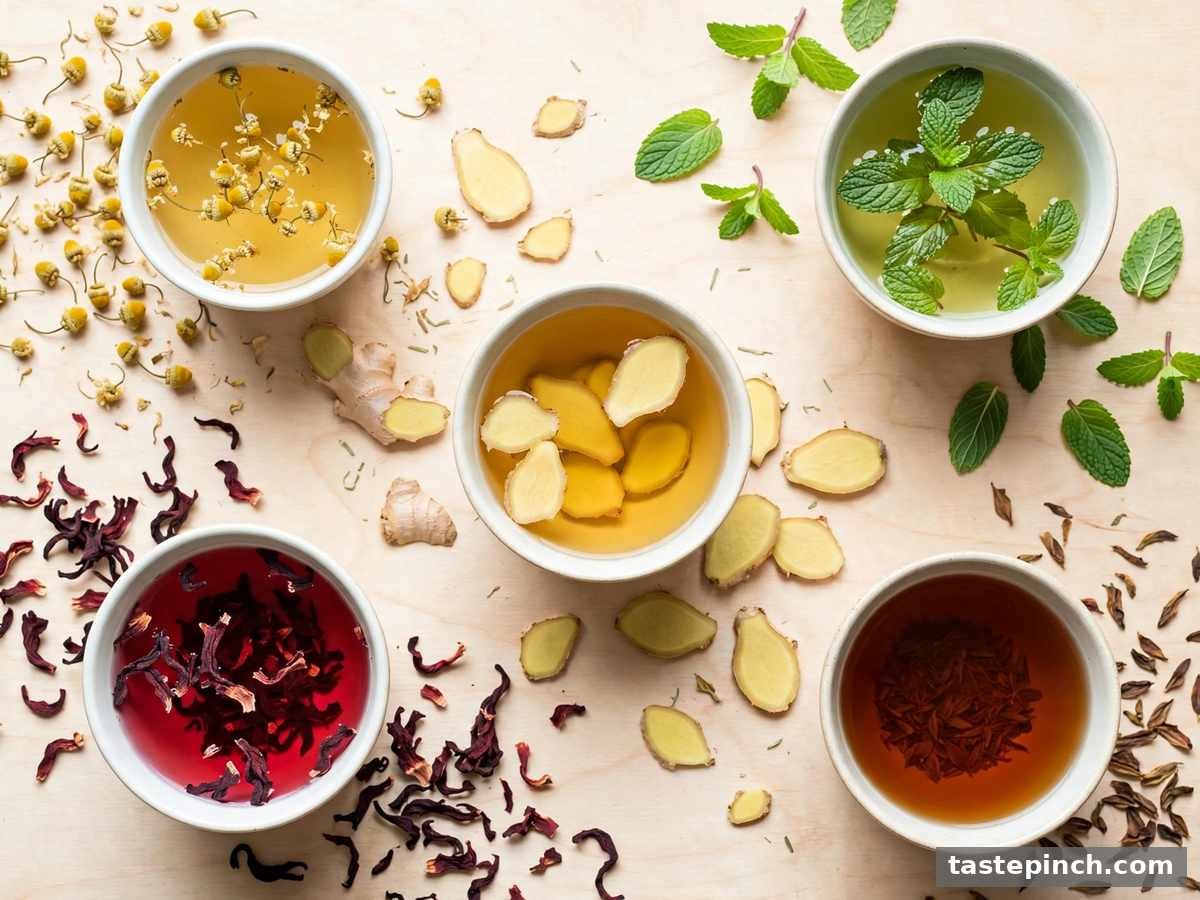
Herbal tea benefits include caffeine-free hydration, plant-based antioxidants, and a comforting alternative to sugary drinks. Depending on the ingredients, herbal infusions are traditionally used to encourage relaxation, support bedtime routines, and provide digestive comfort. However, clinical evidence for most general health benefits remains limited, and herbal teas aren’t proven treatments for diseases.
Different varieties contain different botanical compounds, so their potential effects and safety considerations vary. Chamomile, peppermint, ginger, hibiscus, and rooibos are popular choices. Before drinking herbal teas regularly, especially during pregnancy or while taking medication, consult a healthcare professional. Learn more about herbal tea.
Medical Disclaimer: This article provides general educational information, not medical advice. Herbal teas can interact with medications and may not be suitable for everyone. Consult a qualified healthcare professional before using them regularly for health purposes.
What Is Herbal Tea?
Herbal tea is an infusion made by steeping herbs, flowers, roots, spices, or other plant materials in hot water. Unlike traditional tea, it doesn’t necessarily contain leaves from the Camellia sinensis plant.
Traditional teas include black, green, white, and oolong tea. Herbal infusions are commonly called tisanes and usually don’t contain caffeine unless blended with caffeinated tea ingredients.
Popular varieties include:
- Chamomile tea: Made from chamomile flowers and traditionally enjoyed for relaxation.
- Peppermint tea: Prepared from peppermint leaves and commonly used for digestive comfort.
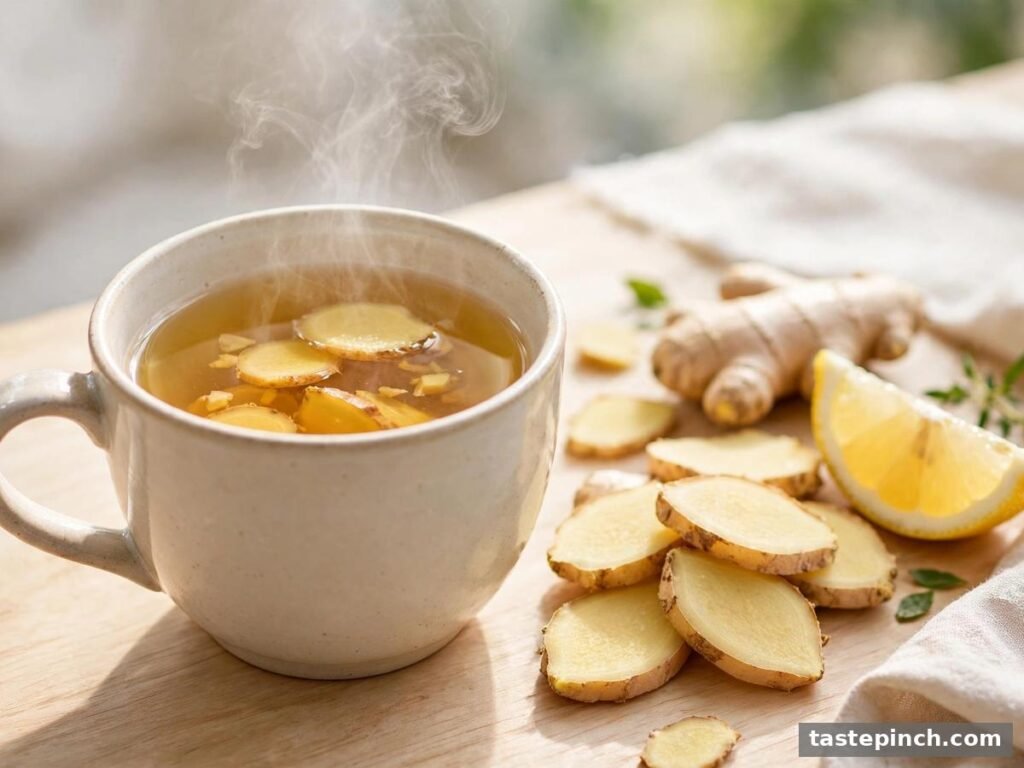
- Ginger tea: Made from fresh or dried ginger root.
- Hibiscus tea: Prepared from dried hibiscus calyces and known for its tart, fruity flavor.
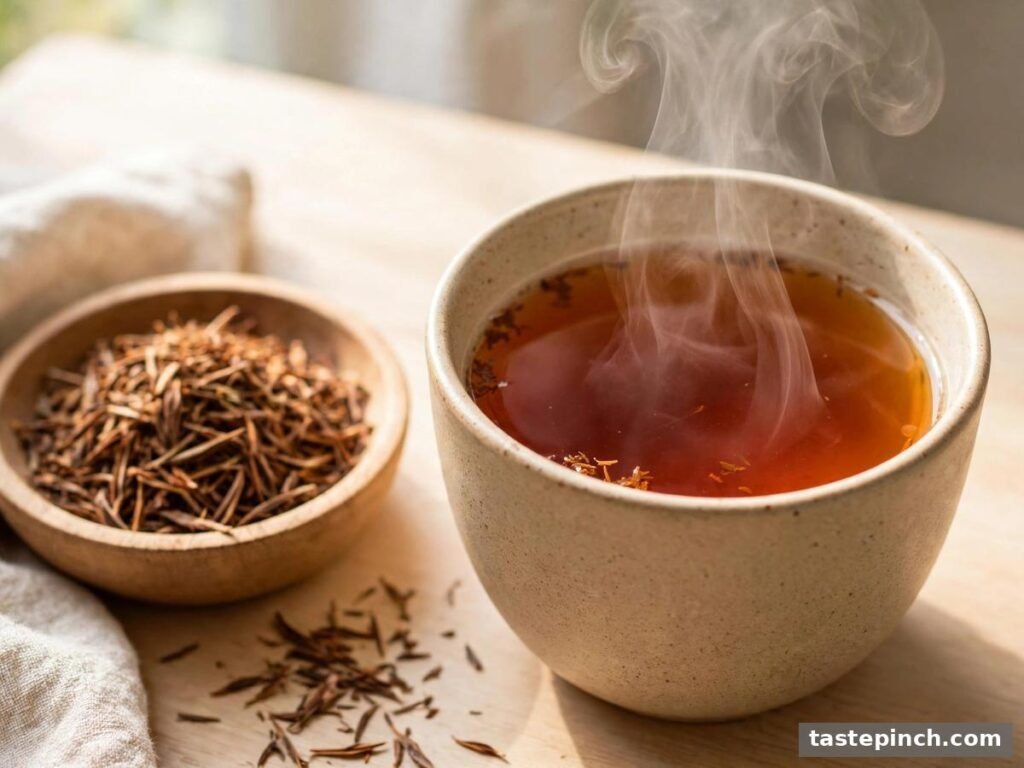
- Rooibos tea: Made from South African rooibos leaves and naturally caffeine-free.
8 Potential Benefits of Herbal Tea
Herbal teas offer different nutritional and lifestyle benefits depending on their ingredients. Some advantages are well established as beverage-related benefits, while others come mainly from traditional use or preliminary research.
1. Provides Caffeine-Free Hydration
One of the simplest herbal tea benefits is helping maintain daily fluid intake.
Most pure herbal infusions are naturally caffeine-free. This makes them a convenient alternative to coffee, black tea, and other caffeinated beverages.
Water remains an excellent choice for hydration, but unsweetened herbal tea also contributes to daily fluid consumption.
You can enjoy it hot or cold throughout the day. Peppermint, rooibos, and chamomile are popular caffeine-free options.
Why it matters: Drinking enough fluids supports normal body functions, including temperature regulation, digestion, and circulation.
2. May Support Relaxation and Sleep Routines
Certain herbal teas are traditionally associated with relaxation and bedtime routines.
Chamomile and lemon balm are two popular choices. Their mild flavors and pleasant aromas make them suitable for an evening beverage.
Chamomile contains plant compounds such as apigenin, which researchers have studied for possible interactions with certain brain receptors.
However, research hasn’t established that ordinary chamomile tea reliably treats insomnia. Some studies examine concentrated extracts or supplements rather than brewed tea.
A warm cup before bedtime can still become part of a relaxing nighttime routine.
Worth remembering: Herbal tea isn’t a replacement for appropriate treatment of persistent sleep problems.
3. Traditionally Used for Digestive Comfort
Several herbal infusions have a long history of traditional use for digestive discomfort.
Peppermint, ginger, and chamomile are particularly popular choices.
Peppermint: Traditionally consumed after meals for digestive comfort. Research on peppermint oil, particularly enteric-coated capsules, shouldn’t automatically be applied to peppermint tea.
Ginger: Traditionally used for nausea and stomach discomfort. Some research supports ginger for particular types of nausea, although evidence for ginger tea specifically is more limited.
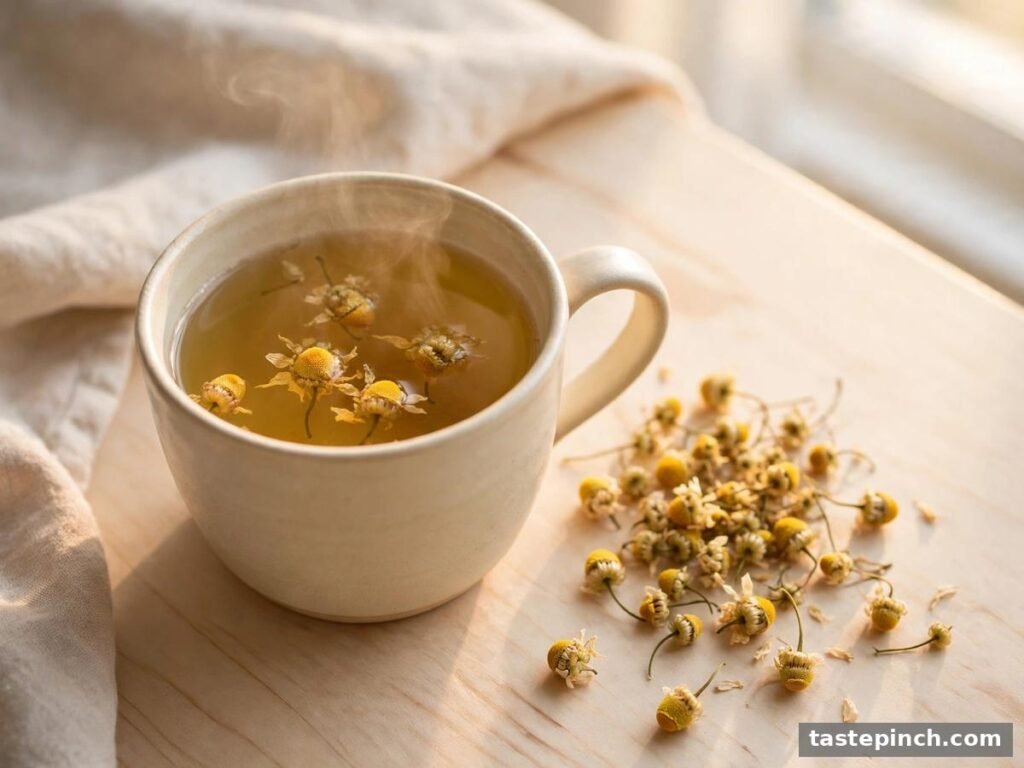
Chamomile: Traditionally enjoyed after meals for its soothing flavor and association with digestive comfort.
These beverages may provide a pleasant addition to an eating routine, but they aren’t proven treatments for digestive diseases.
If you experience persistent abdominal pain, vomiting, or digestive symptoms, seek medical advice.
4. Contains Plant Compounds and Antioxidants
Many herbal teas contain naturally occurring plant compounds, including polyphenols, flavonoids, and other antioxidants.
These compounds help plants protect themselves against environmental stress. Researchers also study their possible biological effects in humans.
Examples include:
- Chamomile: Contains flavonoids, including apigenin.
- Hibiscus: Contains anthocyanins and other polyphenolic compounds.
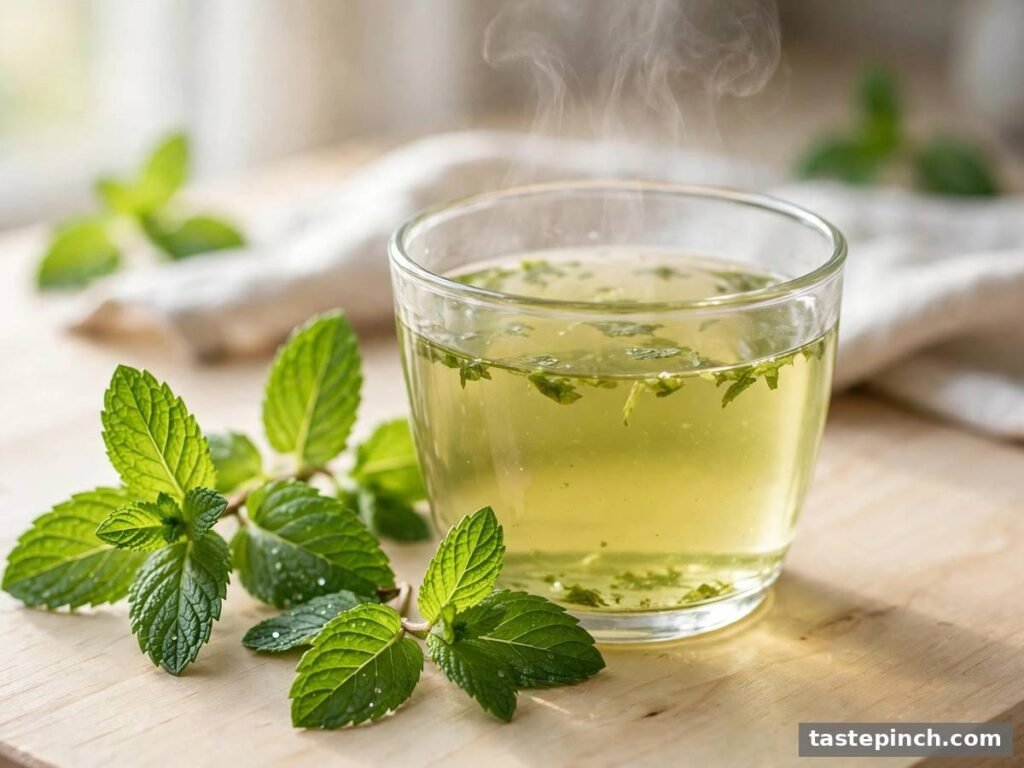
- Peppermint: Contains rosmarinic acid and other plant compounds.
- Ginger: Contains gingerols and related compounds.
- Rooibos: Contains distinctive polyphenols, including aspalathin.
Antioxidants are studied for their role in oxidative stress and cellular processes.
However, finding antioxidants in a beverage doesn’t prove that drinking it prevents cancer, heart disease, or other chronic conditions.
The overall dietary pattern matters more than relying on one antioxidant-rich drink.
5. May Complement a Balanced Diet and Immune Health
Herbal teas can complement a balanced diet by providing fluids and naturally occurring plant compounds.
Ginger, peppermint, chamomile, and hibiscus contain different botanical substances that researchers continue to investigate.
Some plant compounds show antioxidant activity in laboratory studies. However, laboratory findings don’t necessarily translate into meaningful immune benefits in humans.
It’s also important to understand that herbal tea doesn’t prevent or cure infections.
For everyday immune health, focus on established habits such as:
- Eating a varied and balanced diet.
- Getting sufficient sleep.
- Maintaining regular physical activity.
- Drinking enough fluids.
- Following recommended vaccinations.
- Practicing good hygiene.
Unsweetened herbal tea can be one enjoyable part of these habits.
6. Offers a Low-Calorie Alternative to Sugary Drinks
Plain herbal tea is generally very low in calories.
This makes it a useful alternative to sweetened beverages, flavored coffees, soda, and sugary bottled drinks.
For example, an unsweetened cup of peppermint or chamomile tea provides flavor without the added sugar commonly found in sweetened beverages.
Try these simple options:
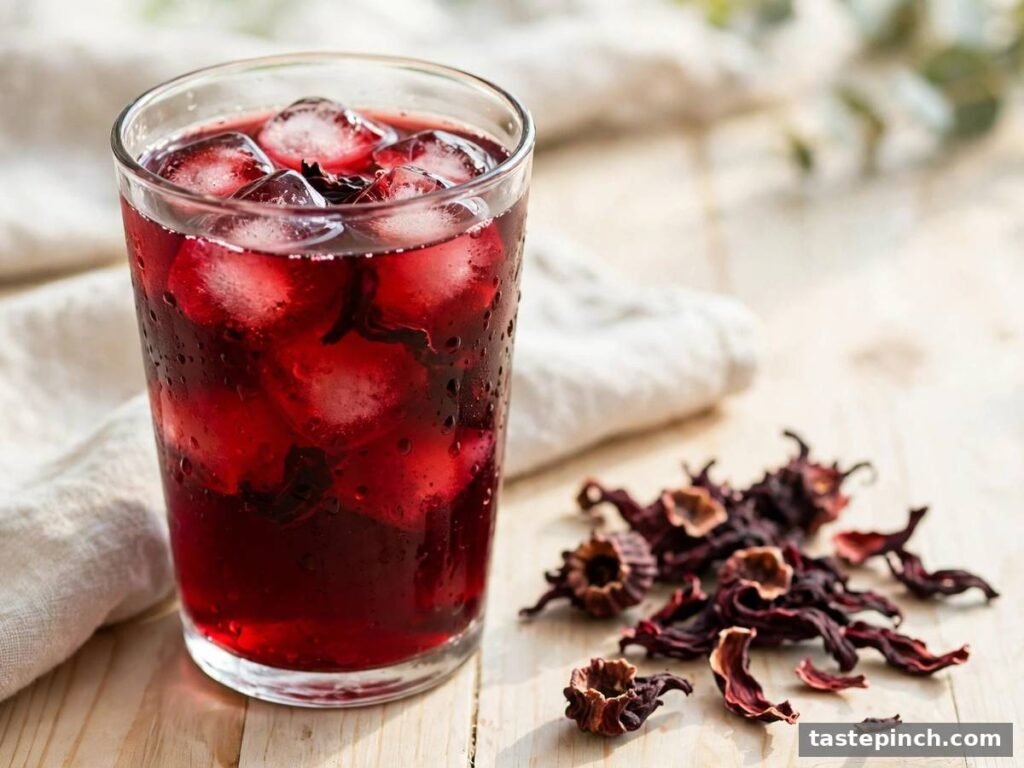
- Drink iced hibiscus tea instead of sweetened fruit drinks.
- Choose peppermint tea instead of sugary afternoon beverages.
- Enjoy rooibos tea without adding flavored syrups.
- Add a slice of lemon for extra flavor.
You can add a small amount of honey if desired, but remember that honey still contributes added sugar.
Important: Herbal tea doesn’t directly burn body fat or guarantee weight loss. Its usefulness for weight management mainly comes from replacing higher-calorie drinks.
7. Provides Warmth and Everyday Comfort
A warm cup of herbal tea can make an ordinary break feel more relaxing.
Many people enjoy the aroma, flavor, and warmth of herbal infusions during cold weather or after a busy day.
The experience involves more than the ingredients themselves. Preparing a cup, sitting comfortably, and taking a few quiet minutes can become a simple self-care ritual.
Chamomile, lemon balm, and rooibos are popular choices for this purpose.
Warm beverages may also temporarily soothe the sensation of a dry or irritated throat.
However, these comforting effects shouldn’t be confused with treating an underlying medical condition.
8. Offers Variety for Different Times of Day
Another practical advantage is the wide variety of herbal tea flavors.
You can choose different infusions depending on your taste preferences and daily routine.
Time of day — Herbal tea option — Why people enjoy it:
- Morning — Ginger tea — Warming, spicy flavor
- After meals — Peppermint tea — Traditionally enjoyed for digestive comfort
- Afternoon — Hibiscus tea — Refreshing, tart flavor
- Evening — Chamomile tea — Popular for relaxing routines
- Before bedtime — Lemon balm tea — Mild, lemony flavor
- Anytime — Rooibos tea — Naturally caffeine-free and smooth
Most pure herbal teas don’t contain caffeine, making them convenient throughout the day.
Always check ingredient labels because some commercial blends contain green tea, black tea, or other caffeinated ingredients.
Popular Herbal Teas and Their Traditional Uses
Different herbs have different flavors, botanical compounds, and traditional uses. Understanding these differences can help you select a suitable beverage.
- Chamomile — Traditionally enjoyed for relaxation and digestive comfort
- Peppermint — Traditionally used for occasional digestive discomfort
- Ginger — Traditionally used for nausea and stomach discomfort
- Hibiscus — Traditionally consumed as a tart beverage and studied for possible effects on blood pressure
- Rooibos — Popular caffeine-free beverage enjoyed for its smooth, slightly sweet flavor
- Lemon balm — Traditionally associated with relaxation and mild digestive comfort
These traditional uses don’t establish that the teas treat medical conditions.
Some ingredients have been studied in human trials, but results may involve concentrated extracts, specific doses, or combinations rather than ordinary tea.
Who Should Be Careful When Drinking Herbal Tea?
Herbal teas are generally enjoyed as everyday beverages, but natural ingredients aren’t automatically safe for everyone.
Certain individuals should check with a healthcare professional before drinking particular varieties regularly.
Pregnancy and Breastfeeding
Pregnant and breastfeeding individuals should be cautious with herbal teas, particularly medicinal-strength preparations and unfamiliar blends.
Roman chamomile deserves particular caution because its safety during pregnancy hasn’t been adequately established.
Safety information can also differ between German chamomile and Roman chamomile.
Don’t assume that a tea is pregnancy-safe simply because it’s caffeine-free or naturally sourced.
Ask your obstetrician or healthcare professional before introducing herbal teas as a regular wellness practice.
Allergies to the Daisy Family
Chamomile belongs to the daisy family, also known as Asteraceae.
People allergic to related plants may experience allergic reactions after consuming chamomile.
Potentially related plants include:
- Ragweed
- Chrysanthemums
- Marigolds
- Daisies
Reactions may include skin irritation, swelling, or breathing difficulties.
Anyone with a known allergy should check the ingredients carefully and avoid chamomile if advised by their healthcare professional.
Medication Interactions
Some herbal ingredients can interact with prescription medications.
Chamomile, for example, has reported interactions involving warfarin and other medications. It may also have additive effects with certain sedatives.
Other herbs may affect how medications work or influence blood sugar and blood pressure.
Pay particular attention if you take:
- Blood thinners, such as warfarin.
- Sedatives or sleep medications.
- Blood pressure medications.
- Diabetes medications.
- Other medicines requiring careful dose monitoring.
Discuss regular herbal tea consumption with your doctor or pharmacist. Mention the specific ingredients and how frequently you drink them.
Blood Pressure Considerations
Hibiscus tea has been studied for its potential effects on blood pressure.
Some human research suggests that regular hibiscus tea consumption may modestly lower systolic blood pressure in certain adults.
However, this doesn’t make hibiscus a substitute for prescribed hypertension treatment.
People taking blood pressure medications or those who already have low blood pressure should discuss regular hibiscus consumption with a healthcare professional.
Don’t change or discontinue prescribed medication because of herbal tea.
How to Choose and Brew Herbal Tea
Choosing a suitable herbal tea doesn’t require complicated preparation. A few practical considerations can help you enjoy a better beverage.
Choose Quality Ingredients
Look for reputable brands that clearly list their ingredients.
Choose products with recognizable botanical ingredients and avoid blends with unnecessary additives or excessive added sugar.
Check whether the tea contains additional ingredients, especially if you have allergies or medication restrictions.
Check the Ingredient Label
Not every product labeled herbal tea is completely caffeine-free.
Some blends combine herbs with green tea, black tea, or other caffeinated ingredients.
Check the packaging before purchasing if you want a caffeine-free drink.
Follow the Brewing Instructions
Different herbs require different steeping times and water temperatures.
As a general starting point:
- Use approximately 8 ounces of hot water.
- Follow the recommended amount of tea leaves or one tea bag.
- Cover the cup while steeping to retain aroma.
- Follow the manufacturer’s recommended steeping time.
- Remove the tea bag or strain the leaves before drinking.
Flowers, leaves, roots, and spices can require different brewing methods.
Avoid Excessive Sweeteners
Enjoying herbal tea without added sugar is a simple way to keep it low in calories.
You can add lemon, fresh mint, or a small amount of honey if you prefer additional flavor.
For iced herbal tea, allow the infusion to cool before refrigerating it in a clean, covered container.
Start With a Moderate Amount
If you’re trying a new herbal ingredient, start with a modest serving and monitor how your body responds.
Avoid assuming that drinking larger quantities will provide greater benefits.
People with medical conditions, allergies, or medication concerns should seek professional advice first.
Frequently Asked Questions About Herbal Tea Benefits
1. What Are the Main Benefits of Drinking Herbal Tea? — Herbal tea can support daily fluid intake, provide a caffeine-free beverage option, and offer naturally occurring plant compounds. Some varieties are traditionally used for relaxation and digestive comfort, although evidence for many specific health benefits remains limited.
2. Is Herbal Tea Good for You? — Unsweetened herbal tea can be a healthy beverage choice for many people. It contributes to hydration and can replace sugary drinks. However, its suitability depends on the ingredients, individual allergies, medical conditions, and medications.
3. Can You Drink Herbal Tea Every Day? — Many people can enjoy ordinary servings of certain herbal teas regularly. However, daily consumption isn’t suitable for every herb or individual. Check the ingredients and consult a healthcare professional if you’re pregnant, breastfeeding, or taking medication.
4. Which Herbal Tea Is Best for Relaxation? — Chamomile and lemon balm are traditionally associated with relaxation. Their caffeine-free nature also makes them popular evening beverages. However, research hasn’t established that ordinary servings reliably treat anxiety or sleep disorders.
5. Does Herbal Tea Contain Caffeine? — Most pure herbal teas are naturally caffeine-free because they don’t come from the Camellia sinensis plant. However, blended products may contain green tea, black tea, or other caffeinated ingredients. Always check the label.
6. Can Herbal Tea Help With Digestion? — Peppermint, ginger, and chamomile have traditionally been used for digestive comfort. Some research supports particular uses of certain ingredients, but evidence for brewed herbal teas is limited. They shouldn’t replace medical treatment for digestive conditions.
Conclusion: Are Herbal Tea Benefits Worth Exploring?
Herbal tea can be a simple addition to a balanced lifestyle. It provides hydration, naturally occurring plant compounds, and a variety of caffeine-free beverage choices.
Different varieties offer different flavors and traditional uses. Chamomile is popular for evening routines, peppermint is commonly enjoyed after meals, and ginger provides a warming, spicy option.
However, it’s important to separate traditional uses from proven medical benefits. Herbal teas aren’t cures, and their safety depends on individual circumstances and ingredients.
Choose quality products, avoid unnecessary added sugar, and check with a healthcare professional if you have medical concerns.
More from TastePinch
Interested in exploring more herbal tea topics? Check out these related TastePinch articles: Does Herbal Tea Break a Fast; Peppermint Tea; Chamomile Tea; Ginger Tea; Hibiscus Tea Pregnancy.

Dana Whitfield is a recipe developer and food writer with a love for bold flavors and creative drinks. From restaurant copycat recipes to handcrafted cocktails like the Pistachio Martini and Blackberry Margarita, Dana believes great food should be approachable — no culinary school required. She’s spent years testing and perfecting recipes across cuisines, specialty diets, and everything in between. TastePinch is her corner of the internet where every pinch of flavor tells a story.