


If you’re looking for the best tea for weight loss, there’s no single tea proven to produce meaningful weight loss. Green tea is the most studied variety, with some research suggesting modest effects on body weight. However, the evidence remains limited, and drinking tea alone won’t cause fat loss. Unsweetened tea may be more useful when it replaces soda, sweetened coffee, or other high-calorie drinks.
Medical disclaimer: This article provides general educational information, not medical advice. Talk with your healthcare professional before using teas, herbal products, or supplements for weight management, especially if you take medication or have an existing health condition.
Which Teas Are Best for Weight Loss?
Different teas contain different plant compounds, caffeine levels, and antioxidants. Some have received more scientific attention than others, but none has established weight-loss benefits strong enough to recommend it as a treatment.
Here are eight popular options and what current evidence actually suggests.
1. Green Tea
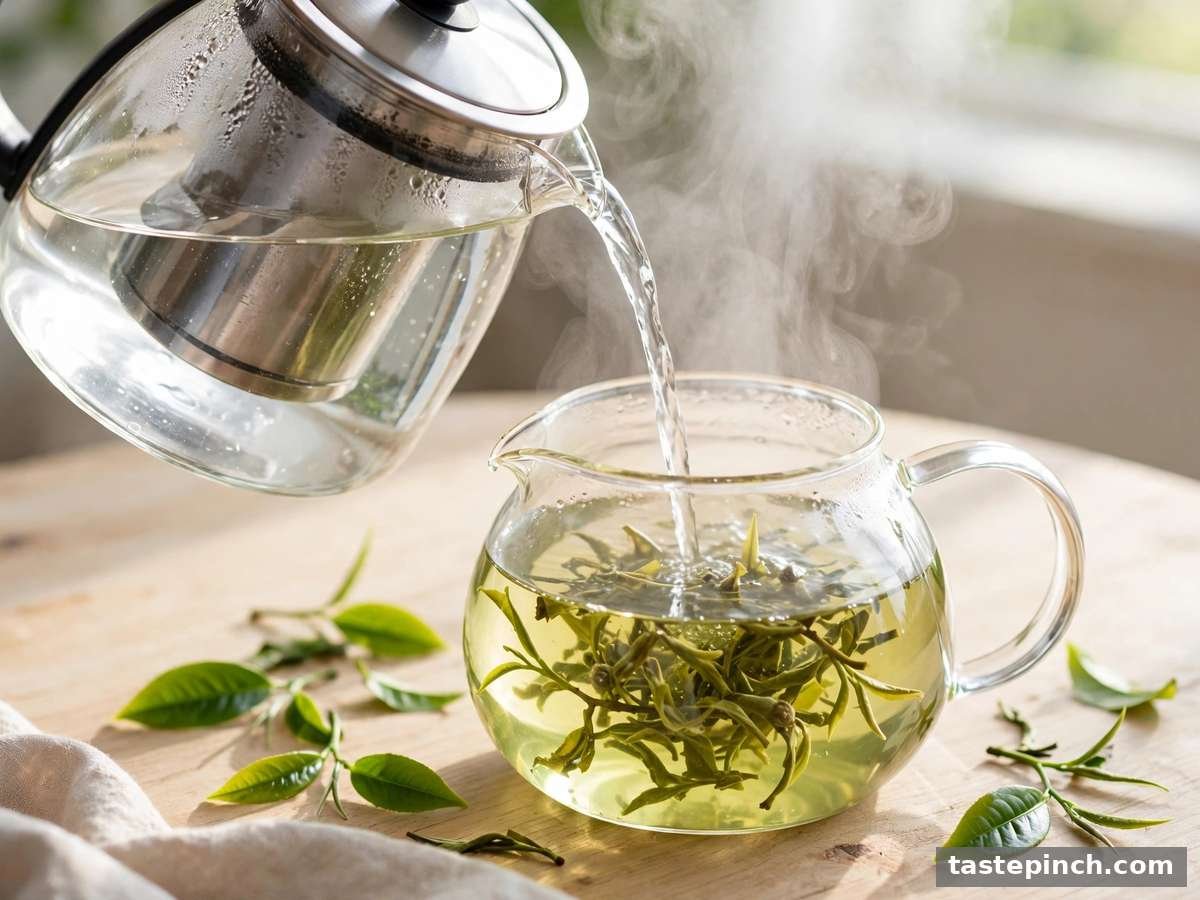
Green tea is the most researched tea when it comes to weight management. It comes from the leaves of Camellia sinensis, which undergo minimal oxidation during processing.
This processing helps preserve naturally occurring plant compounds called catechins. One particularly well-known catechin is epigallocatechin gallate (EGCG).
What Does Research Say About Green Tea?
Green tea contains catechins and caffeine, which researchers have investigated for their possible effects on energy expenditure and fat oxidation.
Some clinical studies suggest that green tea may produce small changes in body weight. However, the findings aren’t consistent, and the overall evidence remains low in certainty.
A systematic review of randomized trials found a possible small weight reduction associated with green tea consumption. The researchers also highlighted limitations in study quality and the need for better long-term research.
Importantly, research involving green tea extracts shouldn’t automatically be treated as evidence that ordinary brewed green tea produces the same effects.
The Wikipedia overview of Green tea also describes the limited evidence for meaningful health effects and weight loss. Its summary notes that green tea does not provide established health effects beyond possible slight blood-pressure and alertness effects.
How to Drink Green Tea
Choose plain brewed green tea or green tea bags. Use hot water rather than boiling water to avoid excessive bitterness. Steep according to the package instructions, usually around 2–3 minutes. Enjoy it without sugar or flavored syrups. Choose decaffeinated green tea if caffeine affects your sleep.
Important safety note: Excessive green tea extract consumption can cause liver damage. Concentrated extracts and weight-loss supplements aren’t equivalent to drinking a normal cup of brewed green tea.
2. Black Tea
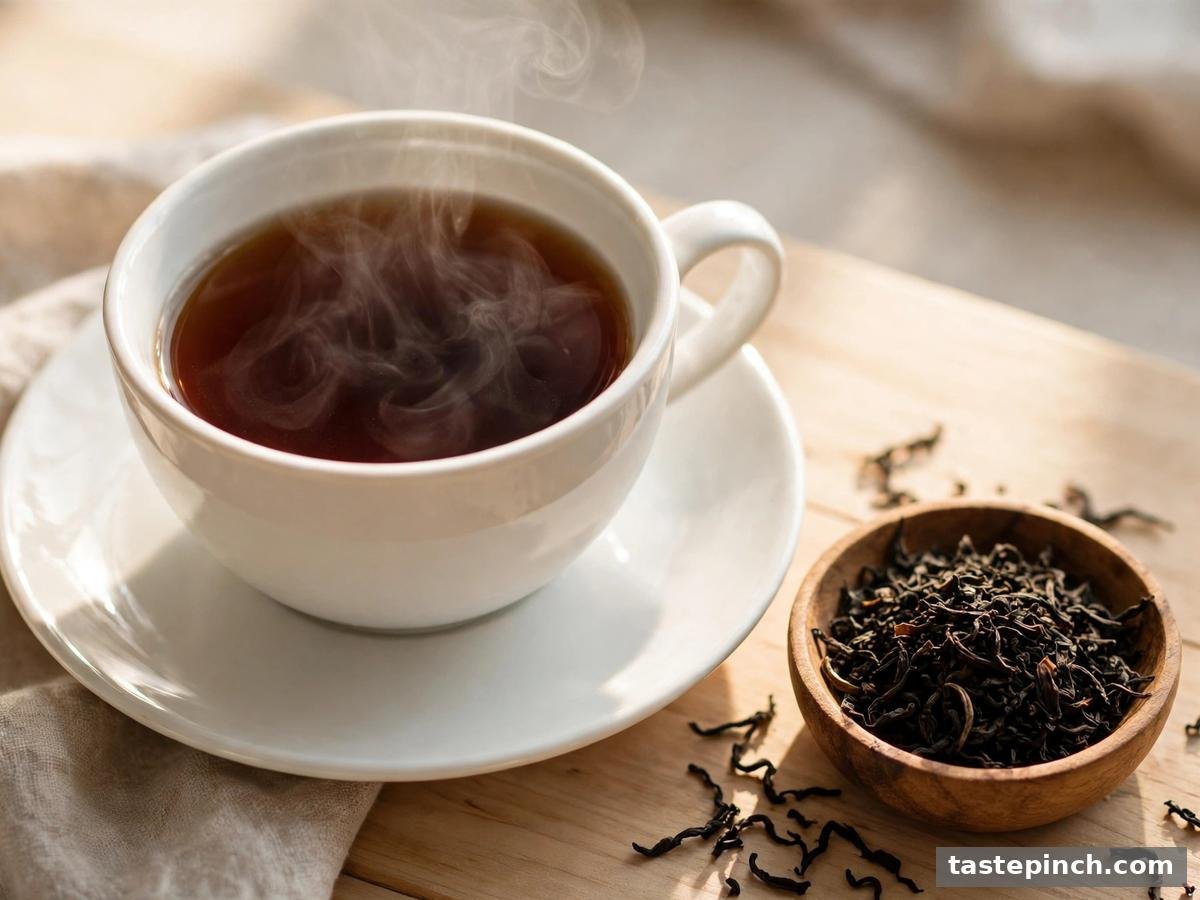
Black tea is another popular variety made from Camellia sinensis. Unlike green tea, its leaves undergo extensive oxidation, producing a darker color and stronger flavor.
It contains caffeine and antioxidants called theaflavins and thearubigins.
What Does Research Say About Black Tea?
Researchers have investigated black tea because of its polyphenol content and possible relationship with metabolic health.
Some small studies have reported modest changes in body weight among black tea drinkers. However, these findings don’t establish that black tea independently causes weight loss.
A study discussed in the medical literature found a temporary difference in body weight after regular black tea consumption. The difference wasn’t maintained over a longer follow-up period.
Black tea shouldn’t be considered a fat-burning drink. Its practical advantage is that plain black tea contains very few calories.
How to Drink Black Tea
Brew black tea using hot water. Steep for approximately 3–5 minutes, depending on the variety. Drink it plain or add a small amount of milk. Avoid adding several teaspoons of sugar. Try Earl Grey, English Breakfast, or Darjeeling for different flavors.
Black tea can be a convenient replacement for sweetened beverages, especially during breakfast or an afternoon break.
3. Oolong Tea
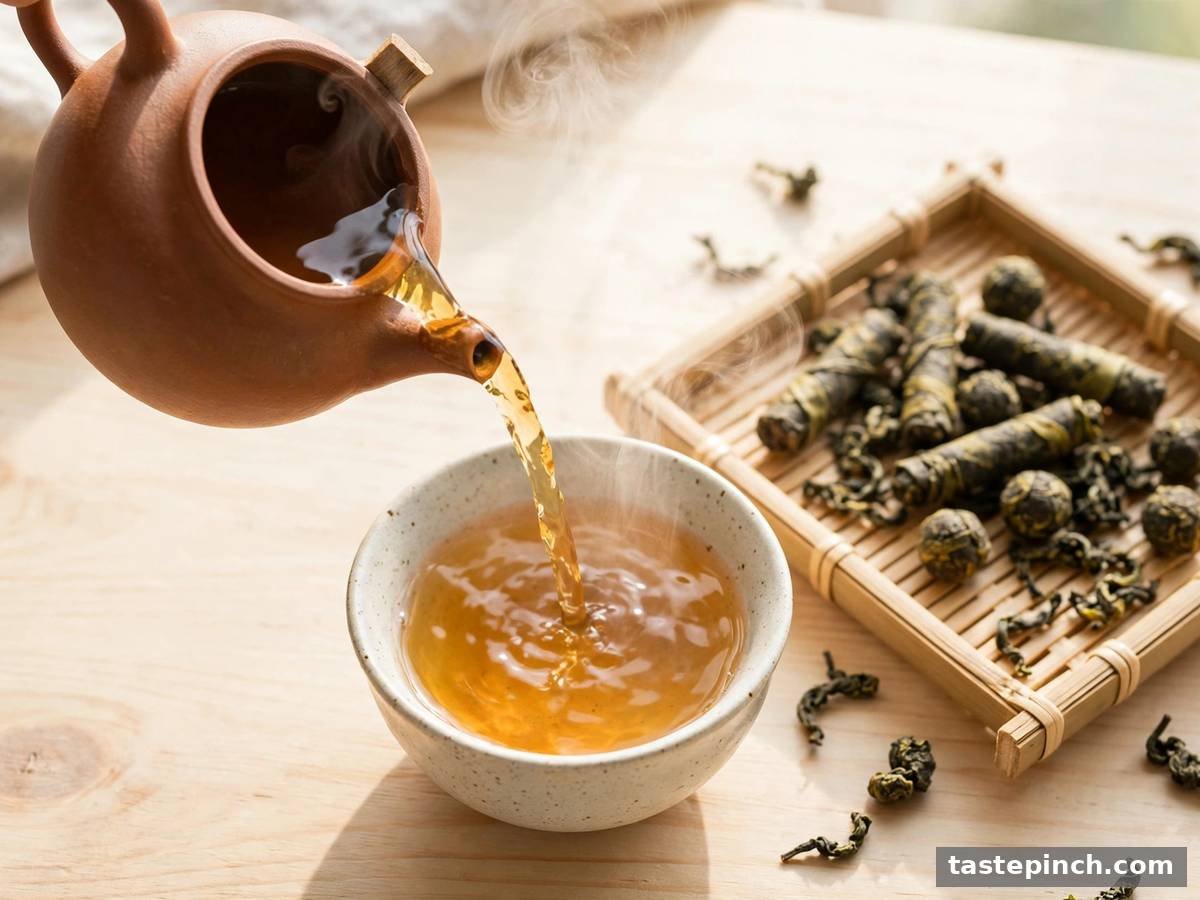
Oolong tea falls between green and black tea in terms of processing. Its leaves undergo partial oxidation, creating a flavor that can range from light and floral to rich and roasted.
Like other traditional teas, oolong contains caffeine, catechins, and other polyphenols.
What Does Research Say About Oolong Tea?
Oolong tea has received some attention for its possible effects on energy expenditure and fat oxidation.
A small human study observed changes in energy expenditure and fat oxidation after participants consumed oolong tea. However, these short-term measurements don’t establish meaningful long-term weight loss.
Much of the additional research involves animals or laboratory studies rather than large human clinical trials.
Therefore, oolong tea remains an interesting subject of research, not a proven weight-management treatment.
How to Drink Oolong Tea
Add loose-leaf oolong tea to a teapot or infuser. Use hot water according to the variety’s brewing instructions. Steep for approximately 3–5 minutes. Enjoy it without added sugar. Adjust the brewing time to achieve your preferred flavor.
Oolong works well as a morning or afternoon beverage because it naturally contains caffeine.
4. White Tea
White tea is made from young tea leaves and unopened buds of Camellia sinensis. It undergoes minimal processing, which gives it a delicate flavor.
Its taste is usually lighter than black tea and less grassy than some green teas.
What Does Research Say About White Tea?
White tea contains polyphenols that researchers have investigated for their antioxidant properties.
Some laboratory and animal studies suggest that certain compounds in white tea may influence processes associated with fat cells.
However, there isn’t enough high-quality human research to establish that drinking white tea reduces body weight or belly fat.
It’s better to enjoy white tea for its delicate taste rather than expecting a slimming effect.
How to Drink White Tea
Use loose-leaf white tea or quality tea bags. Heat water below boiling when possible. Steep for approximately 2–5 minutes, following the product instructions. Drink it plain to keep added calories low. Avoid excessive brewing if you prefer a lighter flavor.
White tea is a good alternative for people who enjoy subtle flavors and want another traditional tea option.
5. Peppermint Tea
Peppermint tea is a caffeine-free herbal infusion made from peppermint leaves. It has a refreshing aroma and naturally cooling taste.
Unlike green, black, white, and oolong teas, peppermint tea doesn’t come from the traditional tea plant.
What Does Research Say About Peppermint Tea?
Peppermint is commonly associated with digestive comfort.
Some research has examined peppermint oil for digestive symptoms and possible effects on appetite. However, studies involving peppermint oil capsules shouldn’t be interpreted as proof that peppermint tea reduces hunger or body weight.
There isn’t convincing clinical evidence that drinking peppermint tea causes fat loss.
Still, it can be a pleasant low-calorie alternative to sweetened drinks.
How to Drink Peppermint Tea
Add dried peppermint leaves or a peppermint tea bag to a cup. Pour hot water over the leaves. Cover and steep for approximately 5–10 minutes. Remove the tea bag or strain the leaves. Enjoy it plain, hot, or chilled.
Peppermint tea is naturally caffeine-free, making it an option for people who prefer to avoid caffeine later in the day.
People with acid reflux may find that peppermint worsens their symptoms.
6. Ginger Tea
Ginger tea is a warming herbal infusion made from fresh or dried ginger root. It has a slightly spicy flavor and is commonly enjoyed after meals.
Ginger contains natural compounds called gingerols and shogaols.

What Does Research Say About Ginger Tea?
Ginger has been studied for several aspects of health, including digestion, inflammation, and metabolic markers.
Some studies involving ginger supplementation have reported changes in body weight or measurements among people with overweight or obesity.
However, these findings don’t necessarily apply to ordinary ginger tea. Supplement studies often use different quantities and concentrations than a homemade infusion.
There isn’t enough reliable evidence to conclude that ginger tea independently produces meaningful weight loss.
Its main practical benefit for weight management is that an unsweetened cup can replace a higher-calorie beverage.
How to Drink Ginger Tea
Wash and thinly slice a small piece of fresh ginger. Add the slices to hot water. Let them steep for approximately 5–10 minutes. Strain the ginger before drinking. Add lemon for flavor if desired.
You can enjoy ginger tea after meals or whenever you want a warm, caffeine-free drink.
People taking certain medications, particularly blood-thinning medicines, should discuss regular ginger supplementation with a healthcare professional.
7. Chamomile Tea
Chamomile tea is a naturally caffeine-free herbal drink made from dried chamomile flowers.
Its mild floral flavor makes it especially popular in the evening. Many people enjoy it as part of a relaxing bedtime routine.
What Does Research Say About Chamomile Tea?
Chamomile is often studied for its possible calming and sleep-related properties.
However, there isn’t convincing clinical evidence that chamomile tea directly reduces body weight, increases fat burning, or targets belly fat.
Sleep is an important part of overall health and weight management. Poor sleep can influence appetite, food choices, and daily energy levels.
Chamomile tea may fit into a relaxing nighttime routine, but this doesn’t mean it has a proven slimming effect.
How to Drink Chamomile Tea
Add a chamomile tea bag or dried chamomile flowers to a cup. Pour hot water over the flowers. Cover and steep for approximately 5–10 minutes. Strain if using loose flowers. Enjoy it without added sugar.
Chamomile is a convenient caffeine-free alternative to traditional tea before bedtime.
People with allergies to plants in the daisy family should exercise caution. Chamomile may also interact with certain medications.
8. Hibiscus Tea
Hibiscus tea is a colorful herbal infusion made from dried hibiscus flowers, commonly Hibiscus sabdariffa.
It has a naturally tart, fruity flavor and a deep red color. People often enjoy it hot or as a chilled summer drink.

What Does Research Say About Hibiscus Tea?
Hibiscus contains plant compounds called anthocyanins and other polyphenols.
Researchers have investigated these compounds for their possible effects on blood pressure and metabolic health.
Some early laboratory and animal findings have attracted interest, but human evidence for weight management remains limited.
Hibiscus tea hasn’t been established as a drink that burns fat or reduces abdominal fat.
Its naturally tart flavor can make it an enjoyable alternative to sugary beverages, provided you don’t add large amounts of sweetener.
How to Drink Hibiscus Tea
Add dried hibiscus flowers or a hibiscus tea bag to a cup. Pour hot water over the flowers. Steep for approximately 5–10 minutes. Strain and allow it to cool if desired. Serve hot or over ice without added sugar.
Hibiscus can affect blood pressure and may interact with certain medications. Check with your healthcare professional if you take blood-pressure medication or have a relevant health condition.
How to Choose the Best Tea for Weight Loss?
The best choice depends on your taste preferences, caffeine tolerance, and daily routine.
Rather than searching for a special fat-burning blend, focus on choosing a tea you can enjoy without adding unnecessary calories.
Consider these factors:
- Choose Unsweetened Tea — Plain tea generally contains very few calories. Adding sugar, honey, flavored syrups, or sweetened creamers increases its calorie content. If you regularly drink sweetened beverages, replacing some of them with unsweetened tea can help reduce your overall calorie intake.
- Consider Your Caffeine Tolerance — Green, black, white, and oolong teas naturally contain caffeine. If caffeine makes you anxious, causes digestive discomfort, or interferes with sleep, consider caffeine-free herbal options. Peppermint, ginger, chamomile, and hibiscus are popular choices.
- Think About When You Drink Tea — Morning and afternoon may be convenient times for caffeinated tea. In the evening, caffeine-free herbal infusions may be more suitable, particularly if caffeine affects your sleep.
- Avoid Products With Unrealistic Claims — Be cautious with products marketed as detox tea, flat-belly tea, or rapid weight-loss tea. Some products contain laxatives or concentrated herbal ingredients. Their short-term effects on body weight may reflect fluid loss rather than a reduction in body fat.
- Choose a Flavor You Enjoy — You don’t need to force yourself to drink green tea if you dislike its taste. Black tea, oolong, ginger, peppermint, chamomile, and hibiscus can all fit into a balanced eating pattern. Consistency with sustainable habits matters more than choosing a supposedly powerful tea.
What Doesn’t Work? Common Weight-Loss Tea Myths
Tea marketing often makes claims that go beyond what clinical research supports.
Here are some common misconceptions worth understanding.
Myth 1: Green Tea Burns Belly Fat — Green tea contains caffeine and catechins, but there’s no convincing evidence that drinking it specifically targets abdominal fat. The body doesn’t selectively burn fat from one area because of a particular drink.
Myth 2: Detox Tea Removes Toxins and Fat — Your liver and kidneys already perform important roles in processing and eliminating waste products. Detox teas don’t have established fat-removal benefits. Some contain laxatives that cause temporary changes in body weight through fluid and bowel-content loss.
Myth 3: Drinking Tea Before Bed Causes Weight Loss — Drinking caffeine-free tea at night may support a relaxing routine. However, there’s no strong evidence that bedtime tea directly increases fat loss while you sleep.
Myth 4: More Green Tea Means Better Results — Drinking excessive amounts of tea or taking concentrated extracts doesn’t guarantee better results. High-dose green tea extracts have been associated with liver injury. More is not necessarily better.
Myth 5: Herbal Tea and Traditional Tea Work the Same Way — Green, black, white, and oolong teas come from Camellia sinensis. Herbal infusions such as peppermint, chamomile, ginger, and hibiscus use different plants. Their chemical composition and available research are different. It’s important not to assume that findings from one tea apply to every other variety.
Frequently Asked Questions
- What Is the Best Tea for Weight Loss? — Green tea is the most studied option, but no tea has been proven to produce meaningful weight loss on its own. Unsweetened tea can be a useful replacement for sugary beverages.
- Does Green Tea Help You Lose Weight? — Some studies suggest that green tea may have a small effect on body weight. However, the evidence is mixed and doesn’t establish a reliable or meaningful weight-loss benefit from drinking it.
- What Tea Is Best for Losing Belly Fat? — No tea has been proven to target belly fat. Green tea, black tea, and herbal infusions can be enjoyed as low-calorie beverages, but none selectively removes abdominal fat.
- Can You Drink Tea Every Day for Weight Management? — Many adults can enjoy moderate amounts of unsweetened tea daily. Consider caffeine intake, medication interactions, and individual health conditions. Tea should complement, not replace, balanced nutrition and other healthy habits.
- Is Herbal Tea Better Than Green Tea for Weight Loss? — Neither has established weight-loss benefits. Green tea has more research on weight management, while herbal teas offer caffeine-free alternatives. Choose according to your preferences and tolerance.
- Does Drinking Tea at Night Help With Weight Loss? — There isn’t convincing evidence that nighttime tea causes weight loss. Caffeine-free options such as chamomile, peppermint, and ginger can be enjoyable evening drinks without adding many calories.
Conclusion: Which Tea Should You Choose?
There isn’t a magic tea for weight loss, and no variety has been proven to burn body fat.
Green tea has received the most scientific attention, but its potential effects are modest and uncertain. Black tea and oolong tea have also been studied, while evidence for herbal varieties remains limited.
The most practical approach is to choose unsweetened tea you genuinely enjoy. Replacing sugary drinks with plain tea can help reduce added calories without relying on unrealistic slimming claims.
Pair that habit with balanced meals, regular physical activity, adequate sleep, and sustainable lifestyle choices.
More from TastePinch
Looking for more simple drinks and helpful wellness information? Explore these related TastePinch articles:
- Does Herbal Tea Break a Fast
- Peppermint Tea
- Ginger Tea
- Chamomile Tea for Sleep
- Lemon Water 7 Day Challenge
Related: does matcha have caffeine — how much caffeine matcha has per serving and what to know.

Dana Whitfield is a recipe developer and food writer with a love for bold flavors and creative drinks. From restaurant copycat recipes to handcrafted cocktails like the Pistachio Martini and Blackberry Margarita, Dana believes great food should be approachable — no culinary school required. She’s spent years testing and perfecting recipes across cuisines, specialty diets, and everything in between. TastePinch is her corner of the internet where every pinch of flavor tells a story.