

The 1800 Coconut Tequila Margarita is a tropical cocktail combining coconut tequila, fresh lime juice, pineapple juice, and ice. After testing the balance of sweet, tart, and coconut flavors, I find this version especially satisfying when you want a quick summer cocktail without complicated mixology. The 1800 Coconut Tequila, blue agave spirit, citrus acidity, pineapple sweetness, and coconut aroma create an easy beach-style drink for happy hour or backyard gatherings.
What makes this recipe work is the contrast: bright lime cuts through coconut sweetness while pineapple adds tropical depth. With fresh citrus, quality tequila, a chilled cocktail shaker, sea salt, and a toasted coconut rim, you can create a vacation-inspired margarita at home. The result is refreshing, smooth, fruity, and simple enough for a weeknight.
What Is a Coconut Margarita?
A coconut margarita is a tropical variation of the classic margarita that introduces coconut flavor alongside tequila and lime. Depending on the recipe, that flavor can come from coconut tequila, coconut cream, coconut milk, or coconut water. The result is usually smoother, sweeter, and more tropical than a traditional margarita.
The 1800 version is especially convenient because the coconut flavor comes directly from the tequila. That means you don’t necessarily need heavy coconut cream or additional coconut syrup. Combined with pineapple juice, fresh lime, ice, and an optional salt or coconut rim, it becomes a bright tropical cocktail with recognizable margarita character.
Difference Between Classic Margarita and Coconut Margarita
A classic margarita generally centers on tequila, lime juice, orange liqueur such as triple sec, and a sweetener such as agave. A coconut margarita changes the flavor profile by adding coconut, producing a softer tropical character alongside the familiar citrus acidity and tequila bite.
In this recipe, 1800 Coconut Tequila replaces ordinary silver tequila as the primary spirit. Pineapple juice then contributes fruity sweetness while fresh lime supplies acidity. Unlike a traditional orange-forward margarita, the resulting drink leans toward coconut, pineapple, and lime with a distinctly vacation-style finish.
Why Coconut Tequila Makes It Special
Coconut tequila makes the cocktail special because it builds tropical flavor directly into the spirit. 1800 describes its Coconut Tequila as silver tequila infused with coconut flavor, while recipe sources note that its sweetness can reduce the need for additional sweetener.
That makes the drink easy to assemble. Instead of building coconut flavor from several ingredients, you can combine coconut tequila with pineapple juice and fresh lime. The spirit provides the coconut aroma, pineapple supplies tropical fruitiness, and lime keeps the cocktail from becoming overly sweet.
Why You’ll Love This 1800 Coconut Tequila Margarita
This 1800 Coconut Tequila Margarita is appealing because it delivers a surprisingly complex tropical flavor from only a handful of ingredients. The coconut tequila provides the base, pineapple adds juicy sweetness, and fresh lime brings the acidity needed to keep the drink refreshing rather than syrupy.
It’s also flexible enough for different occasions. Serve it over fresh ice for a casual happy hour, pour it into a chilled margarita glass for a dinner party, or blend it with ice when the temperature calls for something frozen. The same flavor combination works across all three formats.
Tropical Pineapple and Lime Flavor
Pineapple and lime create the backbone of this tropical margarita. Pineapple juice gives the cocktail rounded fruit sweetness and a recognizable island character, while fresh lime contributes sharp citrus acidity. Together, they create the sweet-and-sour contrast that keeps coconut tequila from tasting too heavy.
The combination is particularly effective because each ingredient has a clear job. Coconut brings aroma and softness, pineapple brings body and fruit, and lime supplies brightness. The result tastes closer to a pineapple coconut cocktail than a conventional lime margarita while retaining the refreshing character of a tequila drink.
Perfect Summer and Vacation Cocktail
Few cocktail combinations communicate summer as quickly as coconut, pineapple, and lime. The aroma immediately suggests poolside afternoons, beach vacations, outdoor dinners, and relaxed happy hours. That’s why this recipe works particularly well when you’re entertaining rather than simply making a drink for yourself.
For gatherings, prepare your glasses and garnishes before mixing. Keep the tequila, pineapple juice, and limes chilled, then shake individual servings as guests arrive. That approach preserves the fresh citrus character and gives everyone a cold cocktail instead of a diluted pitcher sitting over ice.
Ingredients for 1800 Coconut Tequila Margarita
The base recipe needs only a few ingredients: 2 ounces 1800 Coconut Tequila, 1 ounce pineapple juice, ¾ ounce fresh lime juice, ice, and optional sea salt or shredded coconut for the rim. This ratio creates a spirit-forward but fruit-balanced cocktail.
Quality matters more than ingredient count. Freshly squeezed lime juice provides better acidity than bottled juice, while 100% pineapple juice keeps unnecessary sweetness and added flavors out of the glass. The optional rim then lets you emphasize either classic margarita saltiness or toasted coconut aroma.
| Ingredient | Amount | Purpose |
|---|---|---|
| 1800 Coconut Tequila | 2 oz | Tequila base and coconut flavor |
| Pineapple juice | 1 oz | Tropical sweetness |
| Fresh lime juice | ¾ oz | Citrus acidity |
| Ice | As needed | Chilling and dilution |
| Sea salt | Optional | Classic margarita rim |
| Shredded coconut | Optional | Tropical coconut rim |
| Lime wedge | 1 | Garnish |
1800 Coconut Tequila
1800 Coconut Tequila provides both the alcohol base and the defining coconut character. Because the spirit already contributes coconut flavor, you don’t need to add coconut extract or syrup to the basic recipe. This keeps the cocktail clean and lets pineapple and lime remain identifiable.
For a more traditional tequila profile, you can replace part of the coconut tequila with silver tequila. That reduces the coconut intensity while preserving the tropical character. EmilyFabulous similarly recommends replacing part of the coconut tequila when the flavor feels too strong.
Fresh Lime Juice
Fresh lime juice is one of the most important ingredients in this margarita. Its natural acidity cuts through the sweetness of coconut tequila and pineapple juice, giving the cocktail the sharp, refreshing edge people expect from a margarita.
I recommend squeezing the lime immediately before mixing. Bottled lime juice can contain additives and tends to lack the fresh aroma of a recently cut lime. A basic handheld citrus juicer is enough, and the same limes can provide wedges for garnish.
Pineapple Juice
Pineapple juice turns this coconut margarita into a distinctly tropical cocktail. Its fruity sweetness complements coconut tequila while giving the drink more body than lime juice alone. For the cleanest flavor, choose pineapple juice without unnecessary added flavors.
Fresh pineapple juice can work beautifully, but a quality bottled 100% pineapple juice is convenient and consistent. If the finished margarita tastes too sweet, increase the lime slightly rather than immediately adding more tequila. That preserves the intended tropical balance.
Optional Garnishes and Rim Options
The simplest garnish is a lime wedge, but pineapple slices and shredded coconut can create a more dramatic tropical presentation. A classic sea-salt rim reinforces the margarita identity, while toasted coconut makes the drink smell and taste more coconut-forward.
For parties, prepare two rim choices so guests can customize their drinks. Coastal Wandering specifically recommends both coarse salt and toasted coconut, while EmilyFabulous uses toasted coconut as a signature presentation element.
Equipment You Need to Make This Cocktail
You don’t need professional bar equipment to make this recipe. A cocktail shaker, suitable glass, citrus juicer, and measuring tool are enough for a consistently chilled drink. A small plate is also useful when preparing a salt or coconut rim.
Accurate measurements matter because this cocktail has relatively few ingredients. With only tequila, pineapple, and lime carrying the main flavor, even a small ratio change can make the drink noticeably sweeter, sharper, or more spirit-forward.
Cocktail Shaker
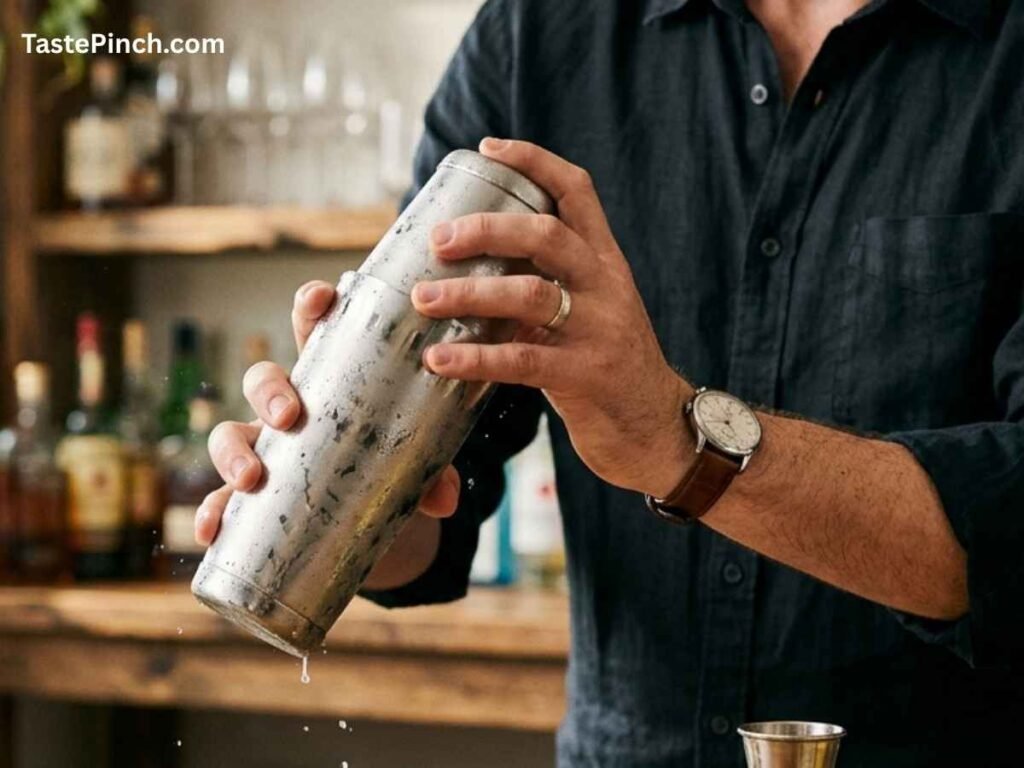
A cocktail shaker rapidly chills the tequila, pineapple juice, and lime while mixing them with controlled dilution from the ice. Shake firmly for roughly 15–20 seconds, until the outside of the shaker becomes very cold.
Margarita Glass or Rocks Glass
A margarita glass provides the recognizable wide-rim presentation associated with the cocktail, while a rocks glass gives a more modern, casual appearance. Both work well depending on whether you’re serving the drink straight up or over fresh ice.
For an at-home gathering, rocks glasses are particularly practical because they hold fresh ice comfortably. If presentation is the priority, a margarita glass gives more surface area for a decorative salt or toasted coconut rim.
Citrus Juicer
A citrus juicer makes it easier to extract fresh lime juice without seeds. It also lets you squeeze enough juice for multiple cocktails quickly when entertaining guests.
The tool doesn’t need to be expensive. A handheld press works perfectly for one or two drinks, while a larger manual juicer becomes useful when preparing several margaritas. Fresh juice remains the important part, not the specific style of juicer.
How to Make a Coconut Tequila Margarita (Step-by-Step)
Making this cocktail takes about five minutes. Start with the glass, then measure the ingredients before adding everything to the shaker. Preparing the rim first prevents the cocktail from sitting while you’re trying to finish the presentation.
The basic method is straightforward: rim the glass, add ice and ingredients to the shaker, shake until cold, strain over fresh ice if desired, and garnish. The technique follows the preparation used by the leading directly relevant recipe pages.
1800 Coconut Tequila Margarita Recipe: Easy & Tropical
Prepare the Glass Rim
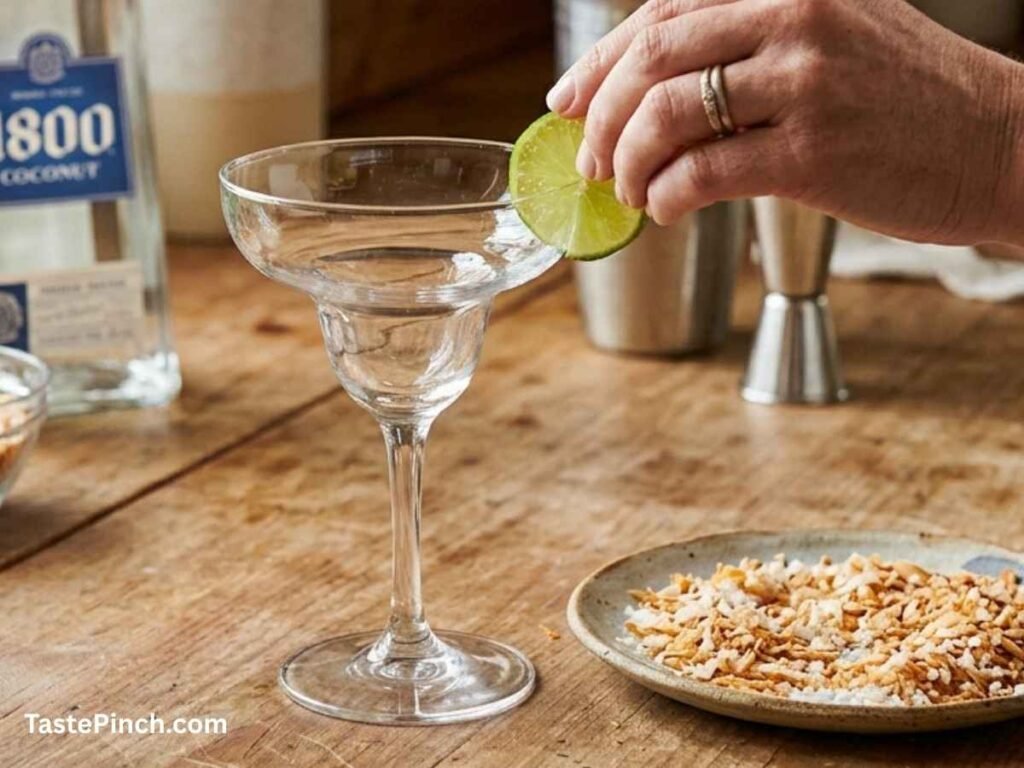
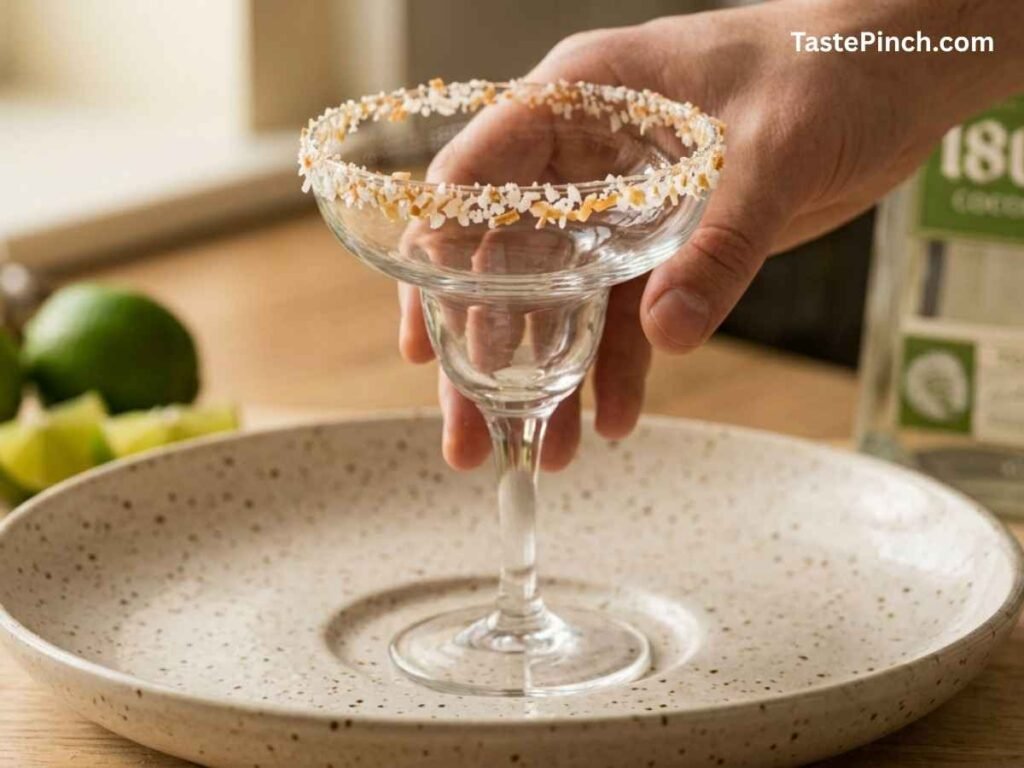
Run a lime wedge around the outside edge of the glass. Immediately dip the rim into a shallow plate containing sea salt or shredded coconut. Rotate gently so the coating sticks evenly without creating an excessively thick layer.
For toasted coconut, lightly toast the shredded coconut before using it. EmilyFabulous recommends microwaving sweetened shredded coconut in short intervals while stirring between intervals to promote even toasting.
Shake the Ingredients
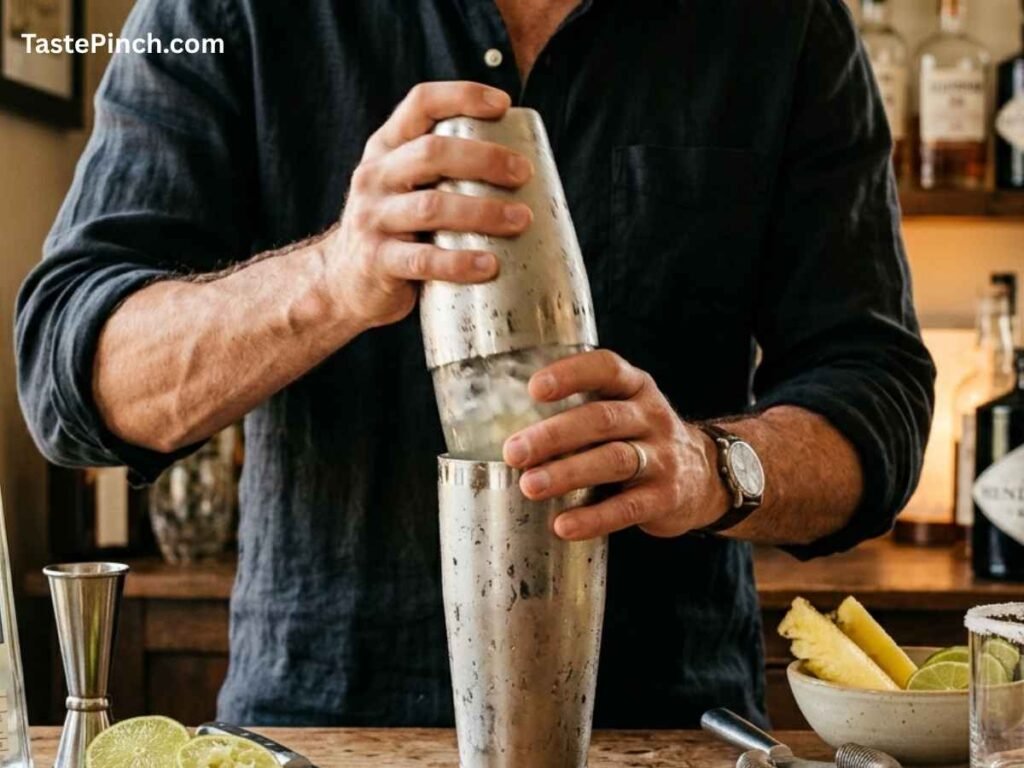
Fill a cocktail shaker with ice, then add 2 ounces 1800 Coconut Tequila, 1 ounce pineapple juice, and ¾ ounce fresh lime juice. Seal the shaker firmly and shake vigorously for approximately 15–20 seconds.
The goal isn’t simply to combine the ingredients. Shaking rapidly chills the drink and introduces controlled dilution from the ice. That small amount of dilution softens the alcohol and allows the pineapple, coconut, and lime flavors to integrate.
Strain and Garnish
Fill the prepared glass with fresh ice if you’re making the margarita on the rocks. Strain the chilled cocktail into the glass, leaving the spent shaker ice behind. This gives you a cleaner drink with fresh serving ice.
Finish with a lime wedge, lime wheel, pineapple slice, or small amount of toasted coconut. Serve immediately while the cocktail is cold and aromatic. The combination of fresh citrus, coconut, and pineapple is strongest right after shaking.
What Does 1800 Coconut Tequila Taste Like?
1800 Coconut Tequila has a noticeably sweeter and more coconut-forward character than traditional unflavored tequila. EmilyFabulous describes it as strongly coconutty and sweeter than traditional tequila, while the brand’s own recipe positioning emphasizes its tropical coconut character.
That flavor makes it particularly useful in fruit-forward cocktails. Instead of fighting against coconut, pineapple and lime reinforce it. The result is softer than a classic tequila margarita but still retains the underlying agave-spirit character expected from tequila.
Flavor Profile of Coconut Tequila
The flavor starts with the recognizable character of silver tequila before moving toward sweet coconut and tropical aroma. It doesn’t taste like coconut milk; instead, the coconut note functions more like a flavored spirit that adds sweetness and aroma to cocktails.
This makes it a natural partner for citrus and tropical fruit. Lime adds acidity, pineapple adds juicy sweetness, and the coconut tequila connects the two. When properly balanced, the drink tastes tropical without becoming overwhelmingly creamy or dessert-like.
How It Changes the Margarita Flavor
Replacing regular tequila with coconut tequila changes the margarita from sharp and citrus-driven to softer and more tropical. The coconut note rounds out some of the lime’s intensity, while pineapple adds another layer of fruit sweetness.
That’s why the recipe doesn’t require a large amount of additional sweetener. If you add too much agave or syrup, the coconut and pineapple can become heavy. Start with the basic recipe, taste it, and adjust only when necessary.
Expert Tips for the Best Coconut Margarita
The most important technique is balance. Coconut tequila and pineapple juice already contribute sweetness, so fresh lime juice needs enough presence to keep the drink refreshing. Proper chilling and dilution then finish the job.
When making the cocktail for guests, taste one test serving before preparing more. Limes vary in acidity and pineapple juices vary in sweetness, so a small adjustment can make the difference between a merely good margarita and one people immediately ask you to make again.
Use Fresh Lime Juice
Fresh lime juice gives the margarita brighter acidity and a more natural citrus aroma. Because the recipe contains only a few ingredients, the difference is especially noticeable here.
Squeeze the lime shortly before mixing and keep extra wedges available for garnish. If the cocktail tastes flat, don’t automatically add more tequila; first check whether it needs a touch more fresh lime to restore the sweet-and-sour balance.
Balance Sweet and Sour Flavors
The ideal cocktail shouldn’t taste dominated by pineapple, coconut, or lime. Instead, each flavor should be recognizable. Coconut provides softness, pineapple supplies tropical sweetness, and lime creates the acidic contrast.
If your pineapple juice is particularly sweet, increase the lime juice slightly. If your limes are extremely tart, a small amount of agave syrup can soften the acidity. Make changes in small increments so you don’t lose the tequila’s character.
Shake the Cocktail Properly
Shake hard enough to chill the cocktail thoroughly and introduce some dilution from the ice. A weak shake can leave the drink insufficiently chilled and poorly integrated, while an excessively long shake can create unnecessary dilution.
A practical target is around 15–20 seconds with plenty of ice. You should feel the shaker become very cold in your hands.
Variations of Coconut Margarita
The basic recipe is intentionally flexible. You can make it creamier, lighter, more citrus-forward, or more sparkling without changing the underlying coconut-tequila concept.
The best variation depends on what you want from the drink. Coconut cream creates a richer dessert-like cocktail, sparkling water creates a lighter highball-style version, and removing pineapple lets lime and coconut tequila become the main flavors.
Creamy Coconut Margarita
For a creamy version, add approximately ½ ounce coconut cream or coconut milk to the shaker before shaking. This creates a richer mouthfeel and makes the cocktail more reminiscent of a coconut-forward tropical dessert drink.
Use restraint with coconut cream because the tequila and pineapple already provide sweetness. EmilyFabulous also recommends adding coconut cream or coconut milk when a creamier coconut profile is desired.
Sparkling Coconut Margarita
For a lighter variation, shake the tequila, pineapple, and lime normally, then strain into an ice-filled glass and top with a small splash of club soda or sparkling water.
The bubbles make the cocktail feel lighter and extend the drink without adding another strong flavor. A pineapple- or coconut-flavored sparkling water can reinforce the tropical profile, although plain sparkling water keeps the tequila and fruit flavors more prominent.
Coconut Lime Margarita Without Pineapple
If pineapple isn’t your preference, simply omit it and build the drink around coconut tequila and fresh lime. You may want a small amount of agave syrup to restore sweetness depending on the tequila-to-lime ratio.
This version tastes closer to a classic margarita while maintaining the coconut aroma. It’s also a useful option when you want a less fruity cocktail with a stronger tequila-and-citrus identity.
Serving and Garnish Ideas
Presentation matters with tropical cocktails because the visual details reinforce the flavor expectation. A bright lime wedge, pineapple slice, toasted coconut, or clean salt rim can make the same drink feel completely different.
For a relaxed gathering, serve it over fresh ice in rocks glasses. For a more classic cocktail presentation, use margarita glasses and a carefully applied rim. Either way, garnish immediately before serving so the aroma remains fresh.
Salt Rim vs Toasted Coconut Rim
A salt rim makes the drink taste more like a traditional margarita because salt contrasts with the lime’s acidity and the cocktail’s sweetness. It’s the better choice when you want the tequila and citrus flavors to remain prominent.
A toasted coconut rim pushes the drink toward the tropical side. The toasted aroma reinforces the coconut tequila and makes the cocktail feel more like a beach-resort drink. Both options are supported by the leading recipe sources.
Best Glasses for Margaritas
A traditional margarita glass offers the widest rim and the most recognizable presentation. A rocks glass is easier to use, especially when serving the drink over fresh ice, while a coupe provides a more elegant cocktail-bar appearance.
For this particular recipe, a rocks glass is an excellent everyday choice. Its compact shape keeps the drink cold, accommodates fresh ice, and provides enough rim space for either sea salt or toasted coconut.
What to pair with:
8 Loaded Tea Recipes – DIY Without Herbalife!
If you’re looking for a non-alcoholic coffee option, try this refreshing Cold Brew Coffee Concentrate Recipe.
FAQs About Coconut Tequila Margaritas
Can I Use Regular Tequila Instead of Coconut Tequila?
Yes. Regular silver tequila works, but you’ll lose some of the coconut character. To compensate, you can add a small amount of coconut syrup, coconut water, or coconut milk, depending on the style you want.
How Strong Is a Coconut Margarita?
A standard serving using 2 ounces of 1800 Coconut Tequila is a spirit-forward cocktail. The final alcohol concentration depends on the tequila’s ABV, the amount of pineapple and lime juice, and dilution from shaking.
Can I Make It Frozen?
Yes. Add the tequila, pineapple juice, lime juice, and ice to a blender and blend until smooth. You may need to adjust the ice depending on whether you prefer a thick frozen margarita or a softer, slushy texture.
The frozen version is especially suitable for hot-weather gatherings.
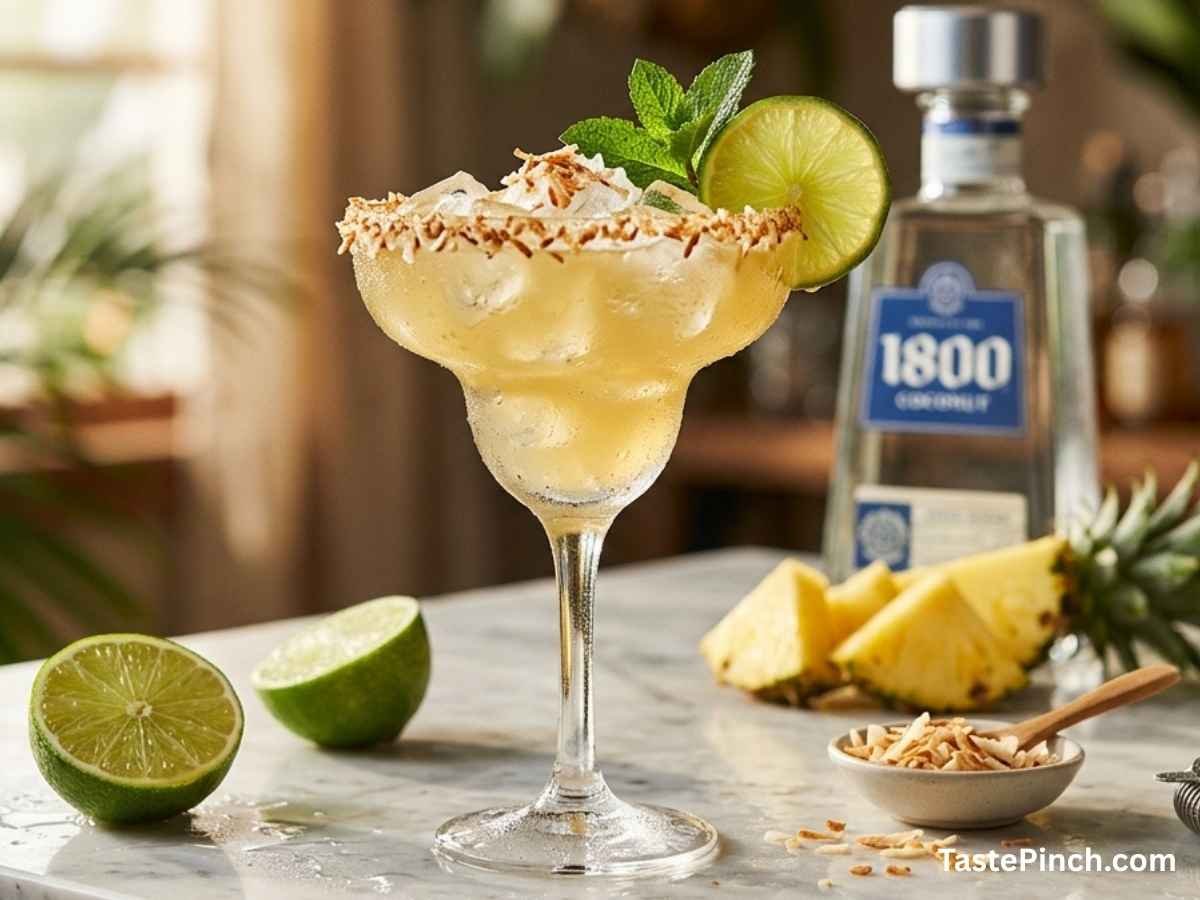

1800 Coconut Tequila Margarita Recipe
Ingredients
Equipment
Method
- Prepare the glass rim: Rub a lime wedge around the edge of your margarita or rocks glass. Dip the rim into coarse sea salt, shredded coconut, or a combination of both. Set the glass aside.
- Add the ingredients: Fill a cocktail shaker with ice. Add 2 ounces of 1800 Coconut Tequila, 1 ounce of pineapple juice, and ¾ ounce of freshly squeezed lime juice.
- Shake: Secure the shaker and shake vigorously for about 15–20 seconds. The shaker should feel very cold when properly chilled.
- Prepare the glass: Fill the prepared glass with fresh ice if you’re serving the margarita on the rocks.
- Strain: Strain the chilled margarita into the glass over the fresh ice.
- Garnish: Garnish with a fresh lime wedge. Add a small pineapple wedge or toasted coconut for an extra tropical presentation.
- Serve: Serve immediately while the margarita is cold and freshly mixed.
Notes
If your pineapple juice is very sweet, add an extra splash of lime juice to balance the cocktail.
For a sweeter margarita, add ¼ ounce of agave syrup.
For a stronger coconut flavor, use a toasted coconut rim.
For a more traditional margarita flavor, use a coarse sea-salt rim.
If you don’t have a margarita glass, a rocks glass works perfectly.
Always taste and adjust the lime juice based on the sweetness of your pineapple juice and coconut tequila.
Variations Creamy Coconut Margarita:
Add ½ ounce coconut cream or coconut milk to the shaker before shaking. This creates a richer, creamier tropical cocktail. Sparkling Coconut Margarita:
Prepare the margarita normally, strain it over ice, and add 1–2 ounces of chilled sparkling water or club soda. Coconut Lime Margarita Without Pineapple:
Omit the pineapple juice and use 2 ounces 1800 Coconut Tequila with ¾–1 ounce fresh lime juice. Add a small amount of agave syrup if you prefer a sweeter drink. Frozen Coconut Margarita:
Add the tequila, pineapple juice, lime juice, and 1½–2 cups of ice to a blender. Blend until smooth and serve immediately.
Nutrition
Serving Size: 1 margarita Calories: Approximately 220 kcalCarbohydrates: Approximately 17 g
Sugar: Approximately 14 g
Protein: 0 g
Fat: 0 g
Saturated Fat: 0 g
Fiber: Approximately 0.5 g
Sodium: Approximately 5 mg before adding a salted rim
Cholesterol: 0 mg
Dana Whitfield is a recipe developer and food writer with a love for bold flavors and creative drinks. From restaurant copycat recipes to handcrafted cocktails like the Pistachio Martini and Blackberry Margarita, Dana believes great food should be approachable — no culinary school required. She’s spent years testing and perfecting recipes across cuisines, specialty diets, and everything in between. TastePinch is her corner of the internet where every pinch of flavor tells a story.
Thank you. You gave a brilliant recipe for a 1800 coconut tequila margarita.
Thank You.