

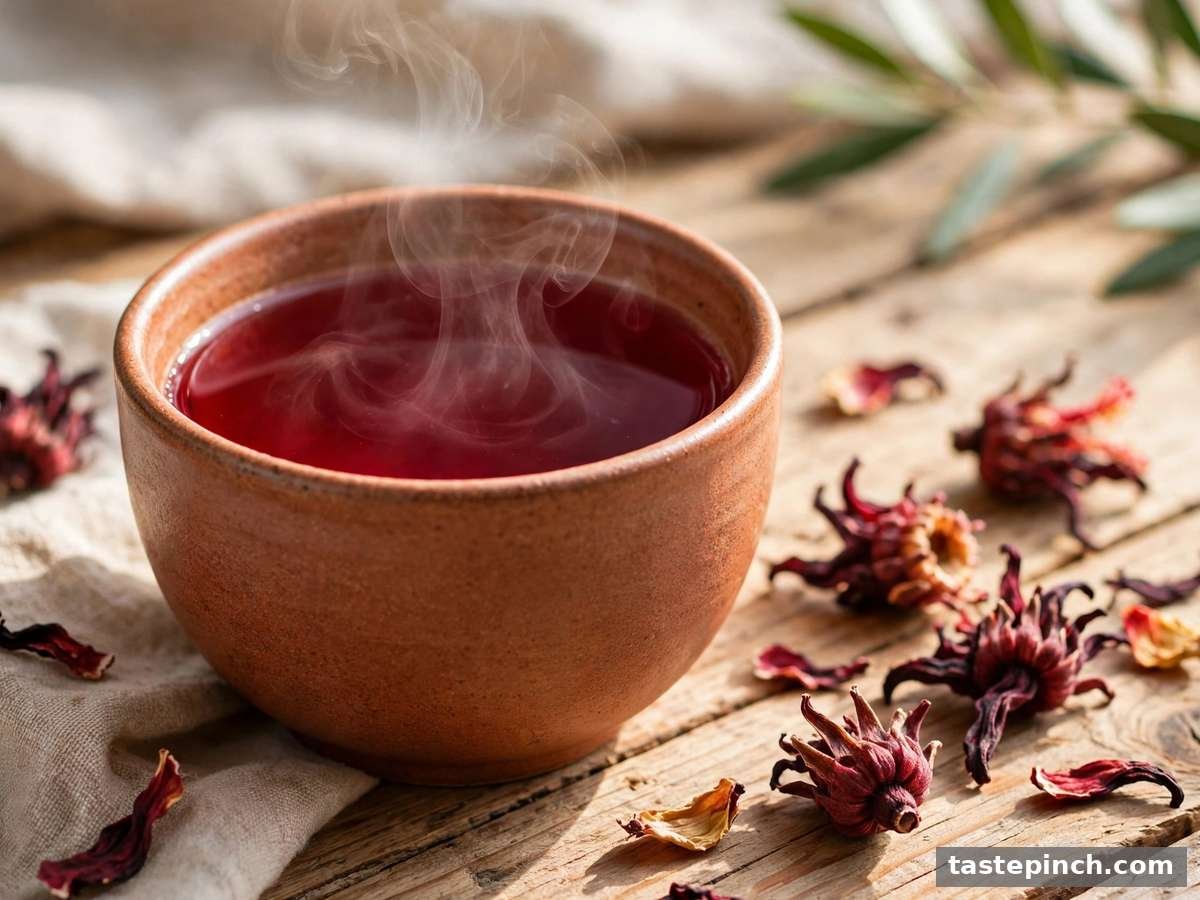
Hibiscus tea and blood pressure have been studied because some small clinical trials suggest that hibiscus preparations may modestly influence blood pressure readings. However, the evidence is limited and mixed. Some studies report a small change, while others do not show a consistent effect. Researchers have not established that an ordinary cup of hibiscus tea reliably changes blood pressure, and it is not a treatment for hypertension. Individual responses may vary, and study results cannot predict what will happen to one person.
Medical disclaimer: This article is for general education, not medical advice. Hibiscus tea may interact with medicines and may affect blood pressure or blood sugar. If you have hypertension, low blood pressure, diabetes, or take prescription medication, ask your doctor or pharmacist before drinking it regularly. Avoid hibiscus tea during pregnancy. Its safety during pregnancy has not been established, and avoiding it is the cautious choice.
What Is Hibiscus Tea?
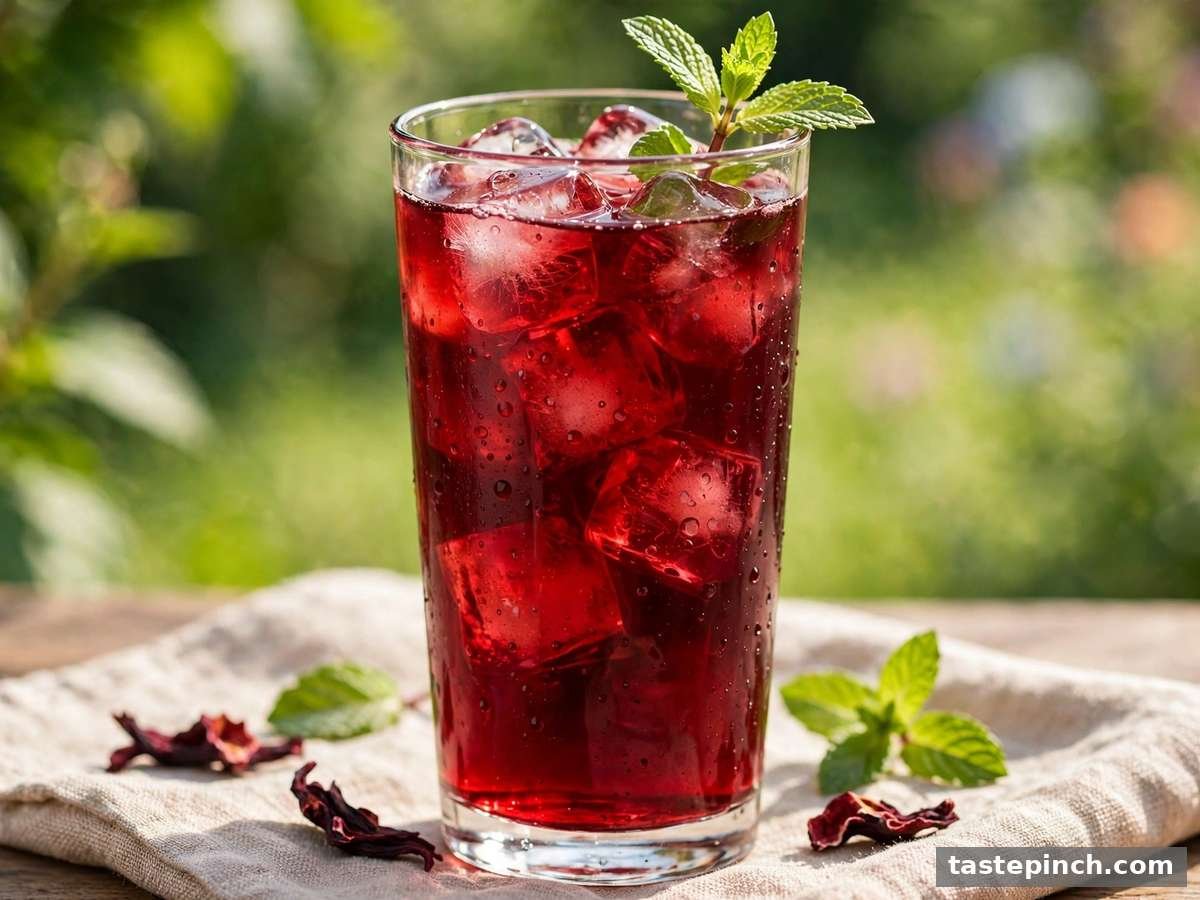
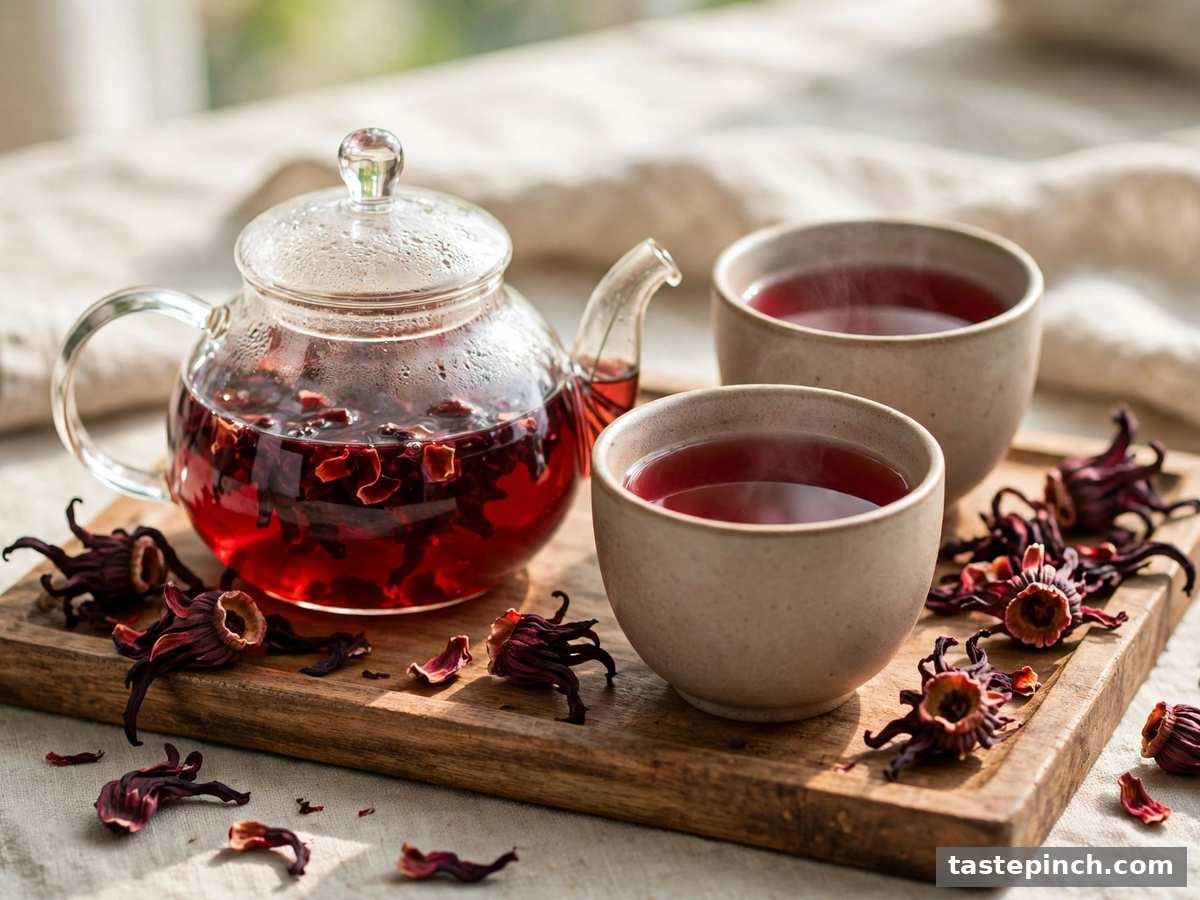
Hibiscus tea is a tart, ruby-red herbal drink usually made by steeping the dried calyces of Hibiscus sabdariffa, a plant also known as roselle. The calyx is the fleshy, colorful part surrounding the flower. It gives the drink its vivid color and cranberry-like flavor.
People enjoy hibiscus tea hot or iced. It is popular in many regions and goes by different names, including agua de Jamaica in Mexico, bissap in parts of West Africa, and karkade in Egypt and Sudan. Pure hibiscus tea is naturally caffeine-free, although packaged blends may contain black or green tea.
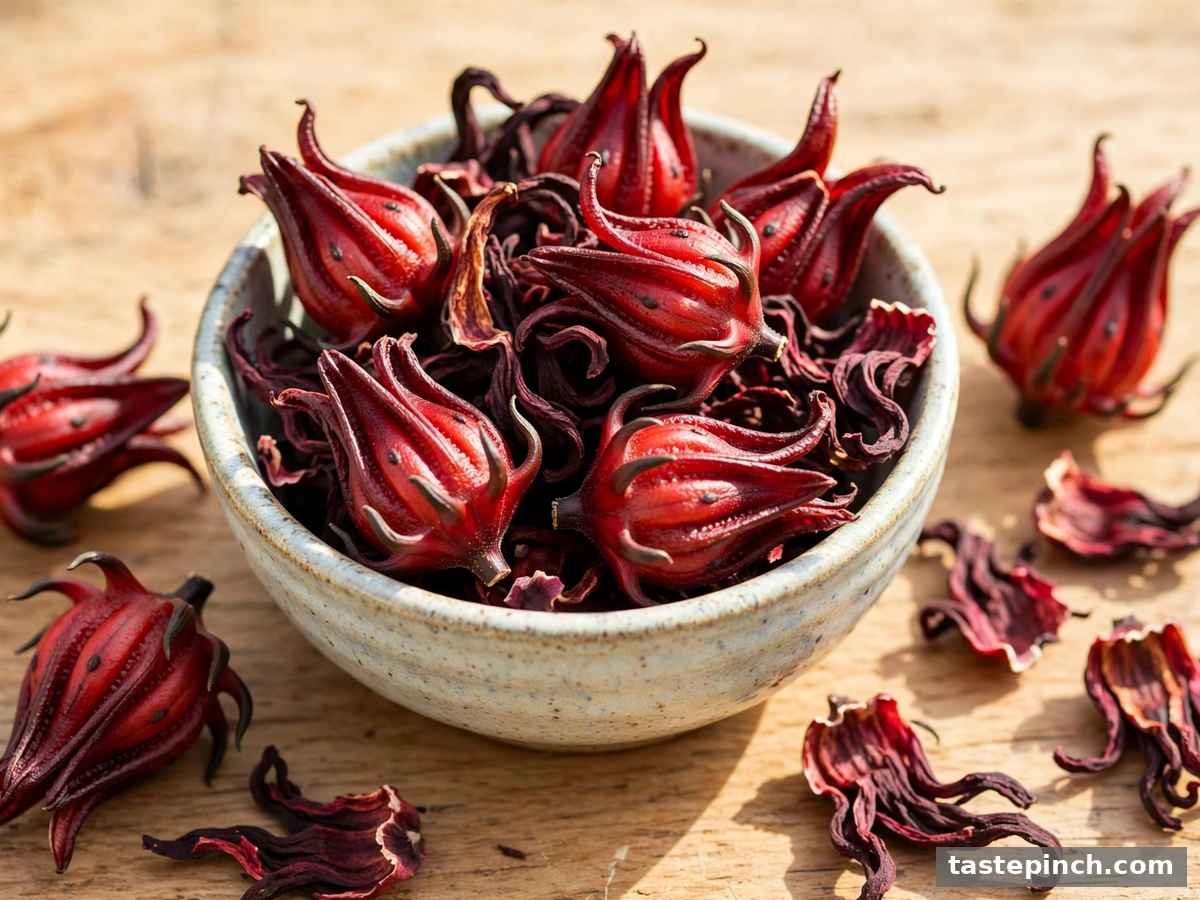
The plant contains polyphenols, including anthocyanins. These pigments give hibiscus its red color and have antioxidant activity in laboratory settings. Learn more about hibiscus tea.
Does Hibiscus Tea Lower Blood Pressure?
The short answer is that research suggests a possible modest effect, but it does not prove that hibiscus tea lowers blood pressure reliably in everyday use. A few small clinical trials have reported changes, particularly in systolic blood pressure, the top number in a reading. Other results are less clear.
A 2010 randomized trial included 65 adults with prehypertension or mild hypertension who were not taking blood-pressure-lowering medication. After six weeks, the hibiscus group had a greater average reduction in systolic pressure than the placebo group. The difference in diastolic pressure, the bottom number, was not statistically significant.
A 2022 systematic review combined results from 17 clinical trials. It reported a difference favoring hibiscus for systolic pressure compared with non-drug controls, but the studies varied considerably. The pooled result for diastolic pressure was not statistically significant. Researchers also found that results differed depending on the comparison beverage or intervention.
These findings are interesting, but they are not a reason to self-treat. Studies used different products, preparation methods, and study lengths. Some tested extracts rather than brewed tea. Research has not established a standard amount, dependable timeline, or long-term benefit.
What Did the Studies Find?
Consider both the findings and their limitations.
What Did the 2010 Clinical Trial Report?
The 2010 trial compared brewed hibiscus tea with a placebo beverage in 65 adults over six weeks. Participants had prehypertension or mild hypertension and were not using blood pressure medication. The researchers reported a greater average change in systolic pressure in the hibiscus group. The difference in diastolic pressure did not reach statistical significance.
The study was small and short. It excluded people taking blood-pressure medicines, so it cannot establish safety alongside those treatments.
What Did the Systematic Review Find?
A 2022 review assessed 17 clinical trials involving hibiscus and cardiometabolic markers. Its analysis found a modest average difference in systolic pressure when hibiscus was compared with non-drug controls. However, the results varied widely between trials, and the overall diastolic-pressure finding was not statistically significant.
A pooled average does not mean everyone experienced a change or that all hibiscus products work alike. More research is needed to clarify preparation and duration.
Why Is More Research Needed?
Many trials involved small groups and lasted only weeks. Researchers used different varieties, extracts, preparations, and comparison groups. Some studies had limitations, and results were inconsistent.
Longer, larger, well-designed human studies are needed to understand possible effects and safety. For now, hibiscus tea should be viewed as a beverage with an interesting research profile, not as a proven way to manage hypertension.
What Are the Potential Benefits of Hibiscus Tea?
Hibiscus has appealing qualities, but separate established characteristics from health effects that need more study.
It contains plant antioxidants. Hibiscus calyces contain anthocyanins and other polyphenols. These compounds have antioxidant activity, although laboratory findings do not automatically translate into a health benefit from drinking tea.
It is naturally caffeine-free. Pure hibiscus tea can be an option for people who want a colorful drink without the caffeine found in traditional black or green tea.
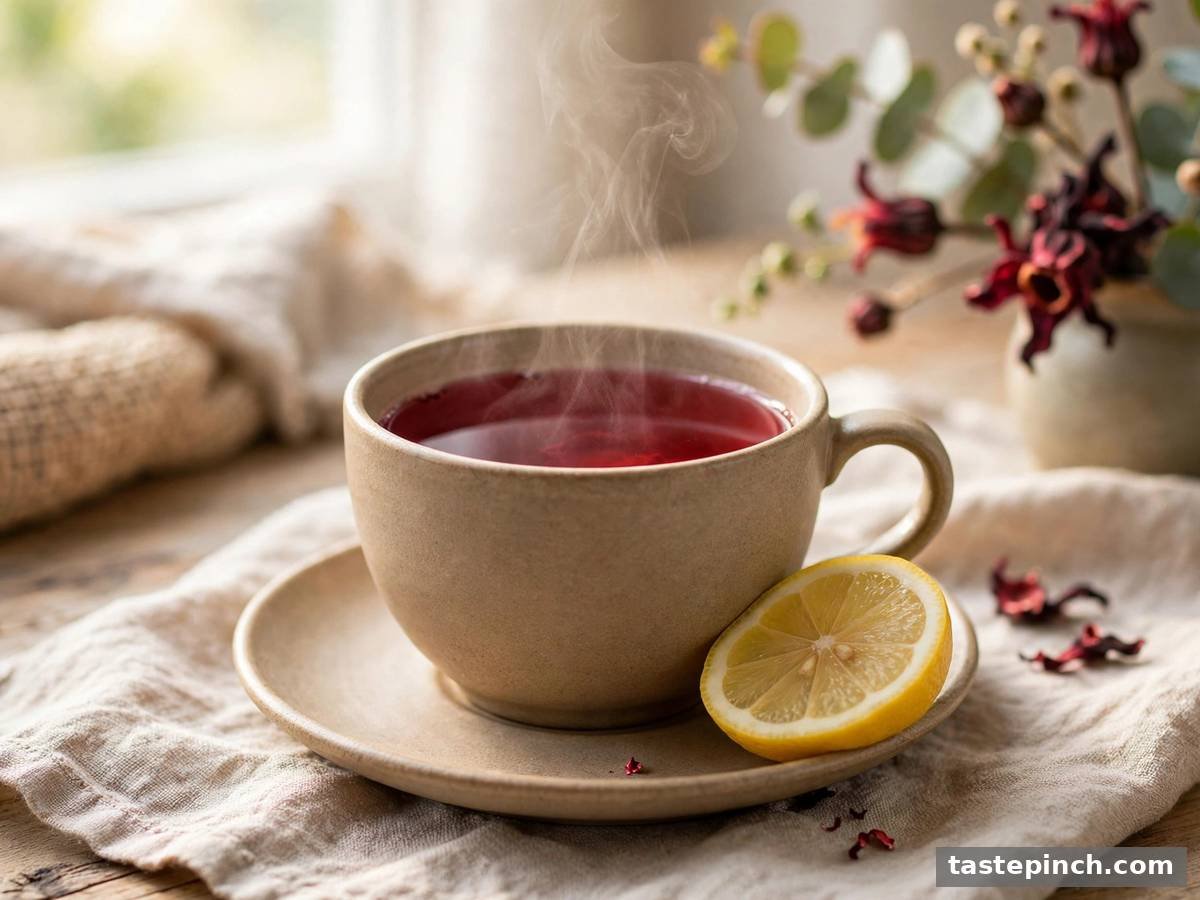
It has a bold flavor without added sugar. The naturally tart taste can make unsweetened hibiscus tea a satisfying alternative to sweetened drinks. Choosing it instead of a sugary beverage may help reduce added-sugar intake.
It can be served in different ways. Enjoy it warm, chilled, or with a slice of citrus. Keep additions simple if you are watching your sugar intake.
For a broader look at herbal beverages and their characteristics, see Herbal Tea Benefits.
How Do You Make Hibiscus Tea?
You can prepare hibiscus tea with food-grade dried hibiscus calyces or a plain hibiscus tea bag. The following is a general beverage-preparation method, not a medical serving recommendation.
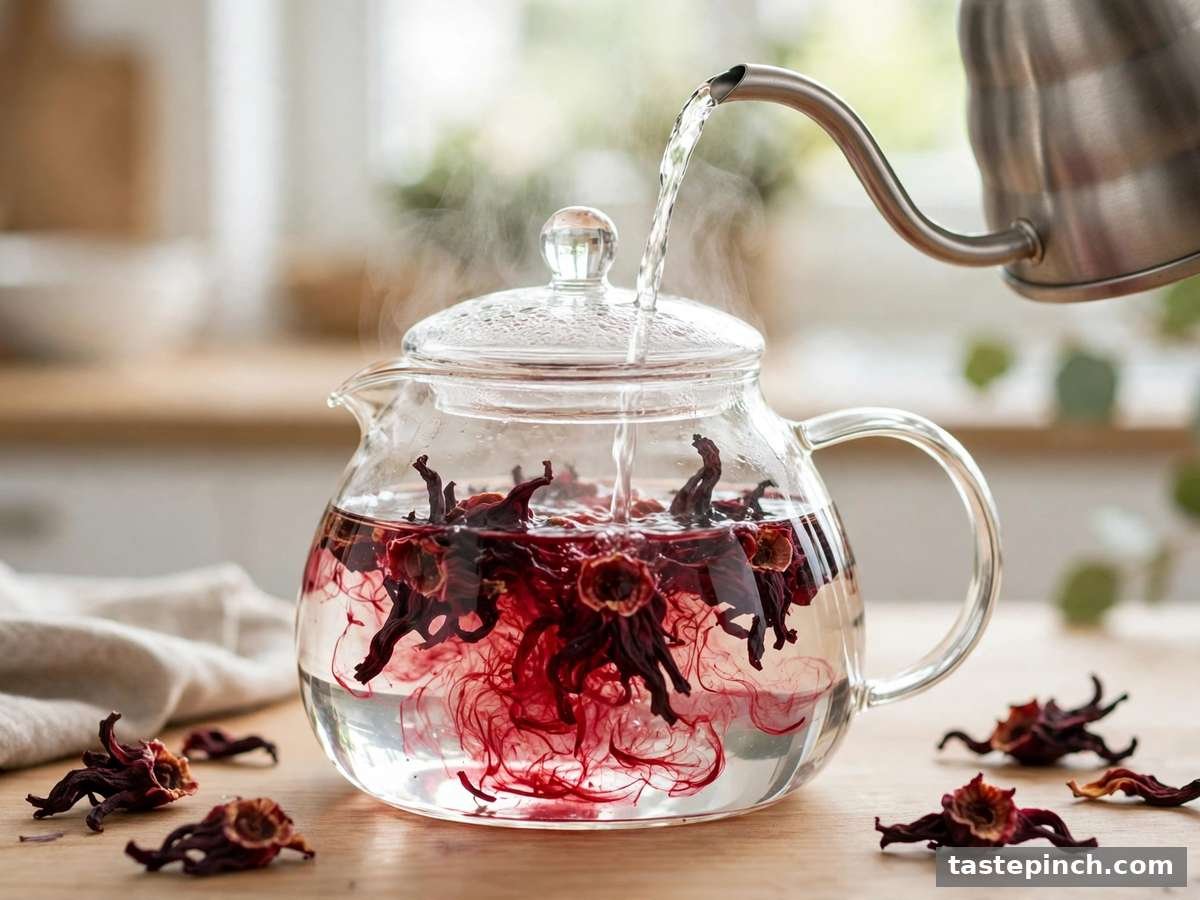
- Add food-grade dried hibiscus to a heat-safe mug or teapot.
- Pour freshly boiled water over the flowers.
- Let it steep for about 5 to 10 minutes, adjusting the time for a stronger or lighter flavor.
- Strain out the flowers or remove the tea bag.
- Enjoy warm, or let it cool and pour it over ice.
- Add lemon or a small amount of sweetener if you like.
Check the label: blends may contain green tea, black tea, or other herbs. Choose products with clear ingredients, and avoid concentrated extracts unless a healthcare professional has reviewed them.
If you enjoy herbal drinks while fasting, you may also want to read Does Herbal Tea Break a Fast. Whether a drink fits a fast depends on the ingredients and the type of fast you follow.
Who Should Avoid Hibiscus Tea or Talk to a Doctor?
Hibiscus is not suitable for everyone. Its effects and potential interactions may matter more when someone has a health condition or takes medication.
Is Hibiscus Tea Safe During Pregnancy?
No. Avoid hibiscus tea during pregnancy. Safety has not been established, and there are concerns based on limited evidence about possible reproductive effects. Do not use hibiscus tea, concentrated extracts, or supplements while pregnant. Ask your obstetric healthcare professional about herbal beverages, including products marketed as natural.
If you are planning a pregnancy or breastfeeding, discuss hibiscus products with your healthcare professional because safety information is insufficient.
For more pregnancy-specific information, read Hibiscus Tea Pregnancy.
What If You Take Blood Pressure Medication?
Talk with your doctor or pharmacist before drinking hibiscus tea regularly if you take medication for hypertension. Because hibiscus preparations may influence blood pressure, combining them with prescribed treatment could potentially contribute to a reading that is too low. The size and likelihood of any interaction are not firmly established.
Do not stop, reduce, or replace prescribed medication with tea. If your treatment needs adjusting, your clinician can assess your readings and medical history.
What If You Take Diabetes Medication?
Some research has examined hibiscus and blood glucose, but the evidence is not conclusive. If you use insulin or another medicine that lowers blood sugar, ask your healthcare professional before making hibiscus a regular drink. They can advise whether additional monitoring is appropriate.
What If You Have Low Blood Pressure?
People with naturally low blood pressure, or those who experience dizziness when standing, should be cautious. A beverage that may influence blood pressure could be unsuitable for some individuals. Ask a clinician before trying it, particularly if you also take medication.
What About Other Medicines or Health Conditions?
Research on hibiscus interactions remains incomplete. Tell your doctor or pharmacist about teas, powders, extracts, and supplements. People with chronic conditions, allergies, or liver or kidney concerns should seek advice before using concentrated products.
What Are the Possible Side Effects of Hibiscus Tea?
Some people may experience stomach discomfort, nausea, gas, headache, or dizziness. Allergic reactions are also possible, especially in people sensitive to hibiscus or related plants.
Tartness may bother people with sensitive stomachs. Sweetened bottled versions can contain added sugar, so check the label.
Stop drinking it if you notice an unusual reaction. Seek urgent medical help for signs of a serious allergic reaction, such as trouble breathing or swelling of the lips, tongue, or throat. If you feel faint or unusually dizzy, seek medical advice.
How Does Hibiscus Tea Compare With Other Teas?
Hibiscus differs from traditional teas because it is an herbal infusion rather than a tea made from Camellia sinensis. Pure hibiscus is caffeine-free and has a tart, fruity flavor. Green and black teas contain caffeine and different plant compounds, including catechins and flavonoids.
Chamomile is another caffeine-free herbal option, often chosen as a gentle evening drink. Peppermint has a refreshing flavor and is commonly enjoyed after meals. None of these beverages should be treated as a blood pressure medicine, and evidence about one tea cannot automatically be applied to another.
If you are comparing caffeine-free choices for an evening routine, explore Chamomile Tea for Sleep. For a wider look at popular varieties, see Best Tea for Weight Loss. Tea can be part of an enjoyable eating pattern, but no single variety causes meaningful weight loss on its own.
Frequently Asked Questions
Is It OK to Drink Hibiscus Tea Every Day?
It depends on your health, medications, and product. Long-term safety and an appropriate daily amount are not established for everyone. Ask a healthcare professional before making it a habit.
How Long Does Hibiscus Tea Take to Affect Blood Pressure?
There is no reliable timeline for an individual. Some trials observed changes over several weeks, but they used specific preparations and controlled study conditions. Those findings cannot predict how a regular cup will affect you.
Who Should Not Drink Hibiscus Tea?
Pregnant people should avoid it. People with low blood pressure, hypertension, diabetes, or those taking blood-pressure or diabetes medication should speak with a healthcare professional first. Anyone with a known hibiscus allergy should avoid it.
Does Hibiscus Tea Contain Caffeine?
Pure hibiscus tea is naturally caffeine-free. However, some commercial blends include black tea, green tea, or other caffeinated ingredients. Read the ingredient list to know what is in your cup.
Is Hibiscus Tea Better Than Green Tea for Blood Pressure?
Research does not establish that hibiscus is better than green tea. Studies differ in their participants, beverages, and methods, so direct comparisons are limited. Neither drink should replace prescribed treatment.
Can Hibiscus Tea Cause Low Blood Pressure?
It may influence blood pressure in some circumstances, but the effect is not predictable. People who already have low readings or take medication should seek medical advice before drinking it regularly.
Final Thoughts on Hibiscus Tea and Blood Pressure
Hibiscus tea is a flavorful, naturally caffeine-free drink that contains anthocyanins and other plant compounds. Small clinical studies and reviews have explored a possible modest effect on blood pressure, but the findings are mixed and the evidence has important limitations. Study results do not prove that an ordinary cup will change your readings.
Enjoy hibiscus for its tart flavor if it is appropriate for your circumstances, not as a treatment. It is not a substitute for blood pressure medication, medical monitoring, or a care plan from your clinician. If you have hypertension, low blood pressure, diabetes, or take blood-pressure or diabetes medication, talk with your doctor or pharmacist first. Avoid hibiscus tea during pregnancy. When it comes to managing blood pressure, personalized medical advice is more reliable than relying on any single herbal drink.
Explore more approachable food and wellness articles on the TastePinch homepage.
More from TastePinch: Hibiscus Tea Pregnancy | Chamomile Tea for Sleep | Best Tea for Weight Loss | Herbal Tea Benefits | Does Herbal Tea Break a Fast

Dana Whitfield is a recipe developer and food writer with a love for bold flavors and creative drinks. From restaurant copycat recipes to handcrafted cocktails like the Pistachio Martini and Blackberry Margarita, Dana believes great food should be approachable — no culinary school required. She’s spent years testing and perfecting recipes across cuisines, specialty diets, and everything in between. TastePinch is her corner of the internet where every pinch of flavor tells a story.